
NDDC Urges Niger Delta Communities to Protect Public Infrastructure
The NDDC has urged traditional rulers, community leaders and residents across the Niger Delta to protect public infrastructure against vandalism and theft.
The Niger Delta Development Commission (NDDC) has urged traditional rulers, community leaders and residents across the region to take collective responsibility for protecting public infrastructure from vandalism and theft.
The NDDC Managing Director, Dr Samuel Ogbuku, made the call at a Stakeholders’ Forum on Public Infrastructure and Vandalism Prevention in Port Harcourt.
Ogbuku, represented by the Director of Administration and Human Resources, Sir Kelechi Nwelue, said government had a responsibility to provide basic amenities, while communities had a duty to protect them.
He said vandalism of public infrastructure forced government to divert funds meant for new projects towards repairs and replacement, thereby slowing development.
“Security is an important factor in society. Development strengthens security and security protects development,” he said.
Ogbuku urged community leaders to regard government-funded projects in their areas as community assets rather than property belonging solely to the government.
He called for greater public awareness to discourage vandalism and theft, stressing the need to make the destruction of public infrastructure socially unacceptable.
He also urged residents, youth groups, traditional institutions and other stakeholders to report suspicious activities to relevant authorities.
Ogbuku identified roads, bridges, electricity facilities, water projects, schools and health centres among the infrastructure requiring greater community protection.
The NDDC Director of Community and Rural Development, Theophilus Alagoa, expressed concern over the destruction and theft of government facilities in communities.
Alagoa said vandalism, theft and deliberate destruction of public projects constituted serious crimes and threatened sustainable development.
He noted that such acts resulted in the loss of public resources, undermined essential services and increased the cost of maintaining or replacing infrastructure.
The forum facilitator, Ibiyekaribo Inko-Tariah, said the programme was organised to educate stakeholders and develop measures for safeguarding government-funded projects so they could continue serving communities.
Sponsored

Related stories
 News
Tinubu’s Umrah Trip Not Aimed at Winning Northern Votes, Says Aide
Presidential aide Ademola Oshodi has dismissed suggestions that President Bola Tinubu’s recent Umrah pilgrimage to Saudi Arabia was politically motivated, saying the visit had religious and national significance beyond regional electoral considerations.
 News
Soludo Says Political Differences Have Not Affected Friendship With Obi
Anambra State Governor Chukwuma Soludo has described former governor Peter Obi as a close personal friend, saying their disagreements are limited to politics despite their differing positions ahead of the 2027 elections.
 News
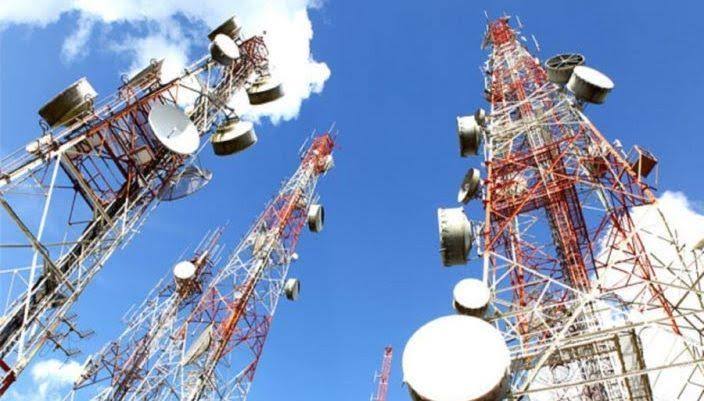
Telcos Urge Reps to Address Infrastructure Challenges Affecting Network Services
The Association of Licensed Telecommunications Operators of Nigeria has urged the House of Representatives to tackle infrastructure and policy obstacles affecting network quality, arguing that summoning company executives alone will not resolve persistent service failures.
 News
Traditional Rulers Face Neutrality Test Ahead of 2027 Elections
As politicians intensify visits to traditional palaces ahead of the 2027 general elections, concerns are growing over the ability of Nigeria’s monarchs to remain impartial amid political pressure and competing interests.
Comments (0)
Leave a comment
All comments are moderated before publishing. Your email is never published.