
NAS Urges FG To Tackle Nigeria’s Literacy Crisis
The National Association of Seadogs has urged the Federal Government to treat Nigeria’s literacy crisis as a national emergency, warning that illiteracy threatens economic growth, security and social development.
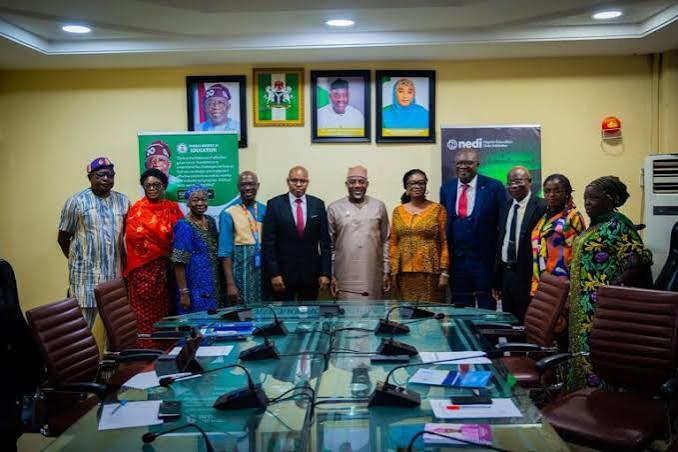
The National Association of Seadogs has called on the Federal Government to take urgent and concrete measures to address Nigeria’s literacy crisis, warning that the country cannot achieve sustainable economic development while millions lack basic literacy skills.
The association made the call in a statement by its Cap’n, Dr Charles Meribole, to mark the 2026 International Literacy Day, themed “Literacy for People, the Planet and Prosperity.”
Meribole said literacy was fundamental to human development and essential for building a population capable of participating meaningfully in the economy, governance and society.
He expressed concern over the estimated 18.3 million out-of-school children and 64 million adults who are illiterate in Nigeria, warning that the situation leaves many economically disadvantaged and vulnerable to manipulation and violence.
The NAS Cap’n linked illiteracy to insecurity, particularly in Northern Nigeria, arguing that the Federal Government must address the education crisis if it wants to build a prosperous and stable nation.
He acknowledged the Federal Government’s HOPE for Quality Basic Education for All programme but urged authorities to move beyond policy announcements and make foundational literacy a national priority.
Meribole called for improved security in schools, particularly in Northern Nigeria, to prevent attacks, abductions and school closures.
He also urged the government to reform the National Commission for Mass Literacy, Adult and Non-Formal Education and expand its programmes to rural communities.
The association further called for education policies to be integrated with measures addressing poverty, hunger, insecurity, displacement, social protection and gender inequality.
Meribole said Nigeria’s ambition of becoming a $1 trillion economy by 2030 would depend partly on developing a highly literate population capable of applying knowledge and skills to economic growth.
Sponsored

Related stories
 News
Tinubu Support Group Empowers Over 200 Bayelsa Residents Through Skills Training
A pro-Tinubu support organisation has trained more than 200 residents of Bayelsa State in soap-making as part of an empowerment initiative combining vocational skills development with discussions on government policies and economic reforms.
 News
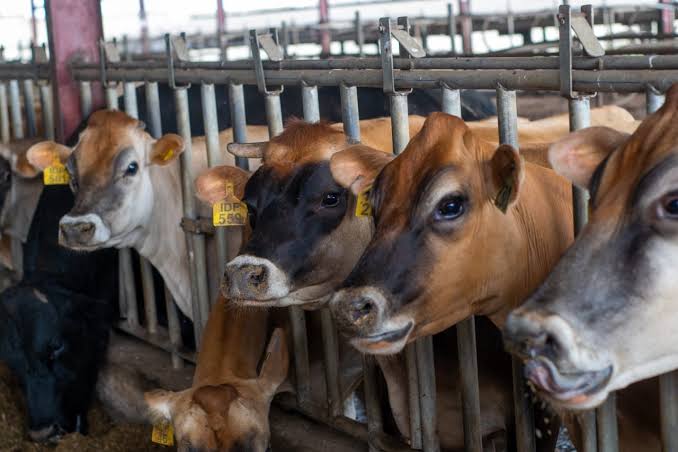
FG Backs Promasidor’s Drive to Expand Local Milk Production
The Federal Government has expressed readiness to support Promasidor Nigeria Limited and the Ekiti State Government in expanding Ikun Dairy Farm to increase domestic milk production, create jobs and reduce Nigeria’s reliance on imported dairy products.
 News
Poultry Farmers Seek Cheaper Loans, Stronger Security to Boost Production
Poultry farmers have urged federal and state governments to provide affordable long-term loans, improve farm security and consult industry stakeholders when formulating policies to strengthen local production and food security.
 News
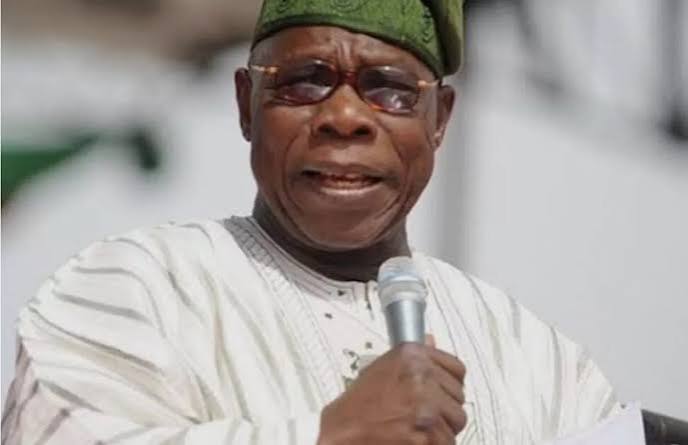
Obasanjo Urges Nigeria to Tackle Insecurity, Unemployment, Poverty
Former President Olusegun Obasanjo has called for urgent action to address insecurity, unemployment and poverty, blaming leadership failures for the country's declining safety and the growing number of Nigerians seeking opportunities abroad.
Comments (0)
Leave a comment
All comments are moderated before publishing. Your email is never published.