
Manufacturers Spend N842bn on Energy Amid Persistent Power Crisis
Eleven listed manufacturing companies spent ₦841.99bn on energy in the first nine months of 2026, representing a 7.4 per cent increase from the same period in 2025, as unreliable electricity supply continues to raise production costs.
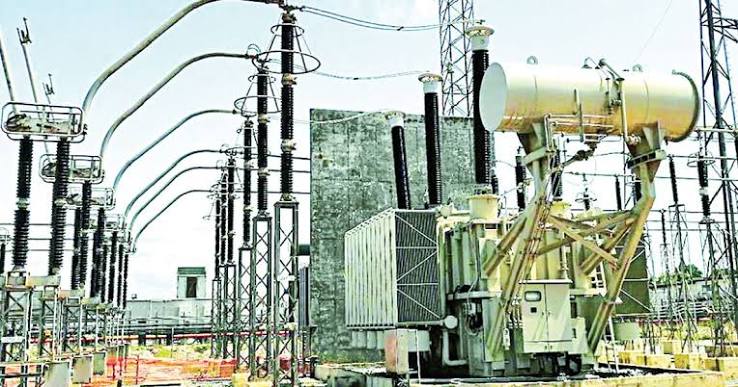
Eleven manufacturing companies listed on the Nigerian Exchange spent a combined ₦841.99bn on energy between January and September 2026, reflecting the growing financial burden of unreliable electricity supply on Nigeria’s industrial sector.
The expenditure, covering electricity, diesel, petrol, gas and other energy costs, rose by 7.4 per cent from the ₦784.08bn recorded by the companies during the corresponding period of 2025.
An analysis of the firms’ unaudited financial statements for the nine months ended September 30 showed that cement manufacturers accounted for the largest share of the spending.
Dangote Cement and BUA Cement jointly recorded energy expenses of ₦797.44bn, representing 94.7 per cent of the total expenditure, compared with ₦747.33bn in the same period last year.
BUA Cement recorded a 21.6 per cent increase in energy costs to ₦216.95bn from ₦178.36bn, while Dangote Cement’s fuel and power expenses rose by two per cent to ₦580.49bn from ₦568.97bn.
The other nine companies spent a combined ₦44.55bn, representing a 21.2 per cent increase from the ₦36.75bn recorded in the corresponding period of 2025.
UAC of Nigeria recorded the highest percentage increase among the companies, with electricity and power expenses rising by 172.1 per cent to ₦13.24bn from ₦4.87bn.
Other increases were recorded by BUA Foods, whose diesel, fuel and electricity costs rose by 32.8 per cent to ₦938.98m, while Meyer’s fuel and lubricants expenses increased by 23.8 per cent to ₦19.99m.
Dangote Sugar Refinery recorded a 22.3 per cent rise in petrol and oil expenses to ₦317.50m, while Champion Breweries’ energy and water costs increased by 20.8 per cent to ₦2.54bn.
NASCON Allied Industries recorded a marginal two per cent increase in petrol and oil expenditure to ₦94.13m.
However, some companies recorded reductions or relatively stable energy expenses. Beta Glass reduced its fuel, gas and electricity costs by 5.3 per cent to ₦23.22bn, while Fidson Healthcare’s expenditure remained almost unchanged at ₦4.18bn.
The figures reflect concerns among manufacturers over the continued dependence on alternative power sources to sustain production amid unreliable electricity supply from the national grid.
Director-General of the Manufacturers Association of Nigeria, Segun Ajayi-Kadir, said members’ expenditure on self-generated electricity had increased consistently between 2023 and 2025.
He disclosed that manufacturers spent less than ₦800bn on alternative power in 2023, with the figure rising to ₦1.1tn in 2024 and ₦1.35tn in 2025.
Speaking at the FATE Institute’s 12th Policy Dialogue Series on Leadership, Ajayi-Kadir said the introduction of the Band A electricity tariff category had not addressed manufacturers’ concerns.
He explained that manufacturers were more concerned about the reliability and predictability of electricity supply than the source of the energy.
According to him, whether electricity comes from the national grid, gas or other sources, businesses require a dependable supply to maintain production and manage operating costs.
Sponsored

Related stories
 News
Nathaniel Bassey Builds Subsidised Homes for Musicians, Staff
Gospel singer Nathaniel Bassey has developed subsidised apartments for his musicians and staff, helping team members become homeowners with their families.
 News
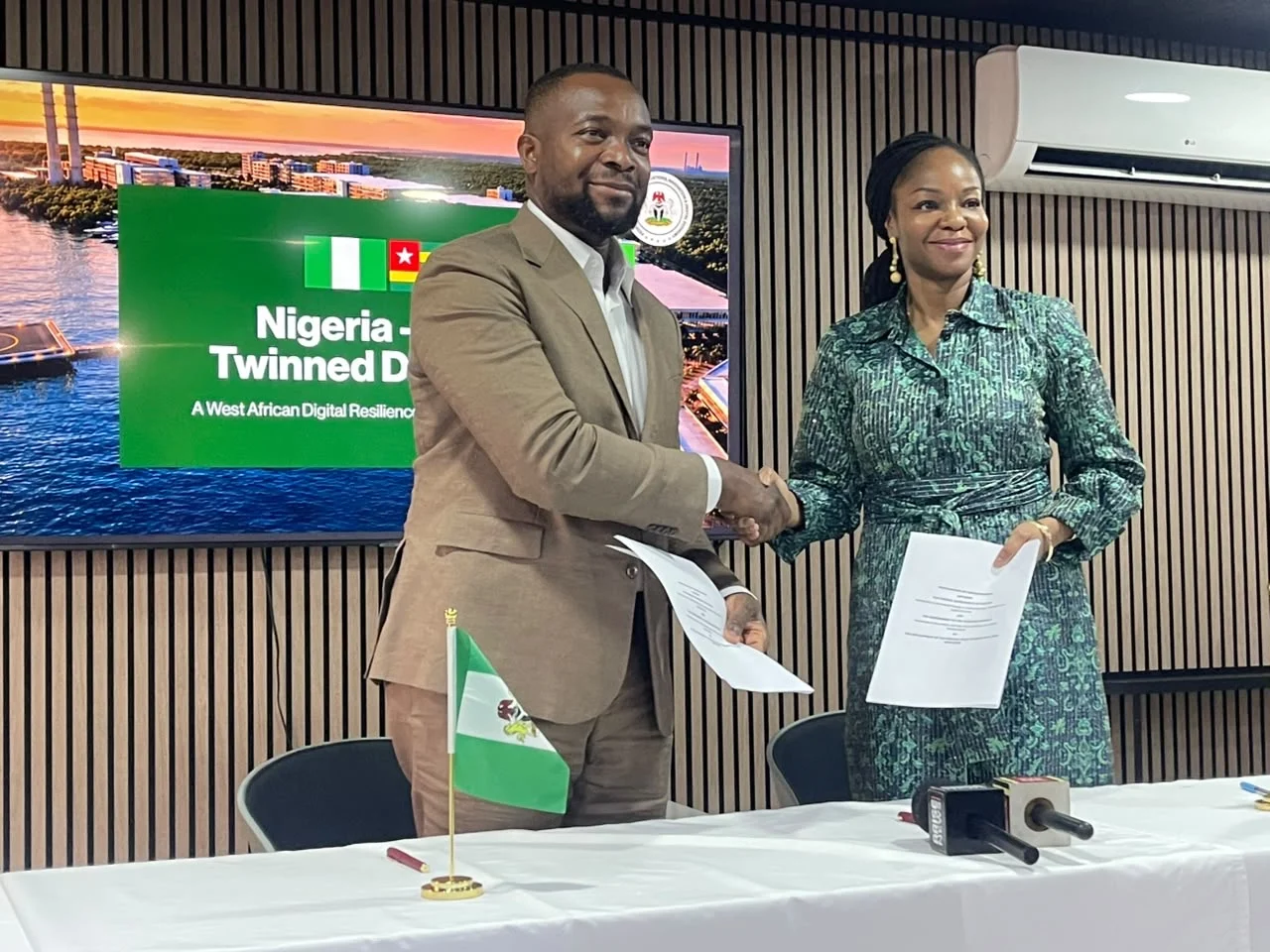
Nigeria, Togo Sign Deal to Develop Twin Data Parks
Nigeria and Togo have signed an agreement to develop interconnected data parks, attracting global technology investors and strengthening West Africa’s digital infrastructure.
 News
Digital Switch-Over Heralds New Broadcasting Era — Minister
Information Minister Mohammed Idris says Nigeria’s Digital Switch-Over platform will expand television access, create jobs and strengthen local content production.
 News
Moneybags Making It Difficult for Honest Nigerians to Contest Elections — Osigwe
Former NBA President Afam Osigwe says wealthy political interests are hijacking elections, making it difficult for honest Nigerians to contest elective positions.
Comments (0)
Leave a comment
All comments are moderated before publishing. Your email is never published.