
Kano Orders Annual Licence Renewal for Private Schools
Kano State begins a fresh licensing cycle for private schools, requiring operators to renew licences annually under new regulations.
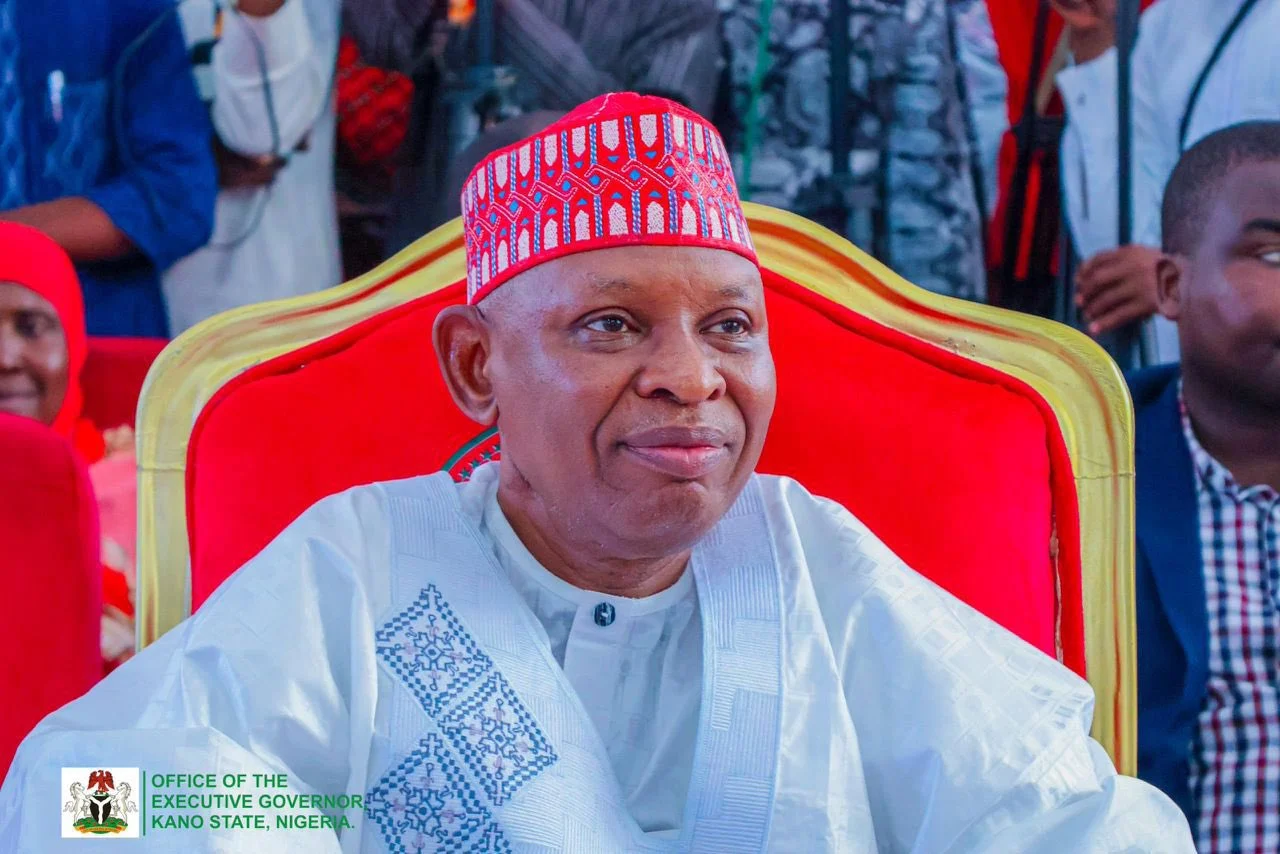
The Kano State Government has directed private and voluntary educational institutions to renew their operating licences annually as part of measures to strengthen regulation and improve standards across the sector.
The directive is being implemented by the Kano State Private and Voluntary Institutions Management Board as the new licensing cycle begins in September 2026.
The Board explained that licences previously issued to private and voluntary schools expired at the end of the 2025/2026 academic session on July 31, 2026.
The previous licensing and statutory tax assessment covered the period from September 2003 to September 2026. With that cycle now concluded, schools are required to undergo a fresh assessment before receiving new operating licences.
The new arrangement is expected to enable the authorities to regularly assess schools and ensure that they comply with approved educational standards, curriculum requirements and other regulatory conditions.
The Board has also directed private and voluntary schools to suspend payment of the statutory 10 per cent tax for the first term of the 2026/2027 academic session pending the issuance of fresh assessment notices.
Officials said the suspension became necessary because the previous assessment had expired alongside the old licensing period.
The renewed regulatory framework comes amid wider efforts by the Kano State Government to sanitise the private-school sector and protect parents and pupils.
The state has previously warned school proprietors against violating approved curricula and imposing arbitrary charges on parents.
Under the amended regulations, private schools are required to adhere strictly to approved curricula, while schools that violate prescribed standards could face sanctions, including temporary or permanent closure.
The authorities have also placed restrictions on tuition increases, with private schools directed not to increase fees by more than 10 per cent from the beginning of the 2026/2027 academic session.
The annual licensing system is expected to give the government a more regular mechanism for monitoring private schools and ensuring that institutions operating across the state remain compliant with educational requirements.
School proprietors are therefore expected to complete the new licensing process as directed and comply with the conditions attached to their renewed operating permits.
The development follows the passage of amendments to the state’s private and voluntary institutions regulatory framework, aimed at strengthening oversight and improving the administration of private education in Kano.
Sponsored

Related stories
 News
No Nigerian Should Be Poor Amid Abundant Mineral Resources — Adebayo
SDP presidential candidate Adewole Adebayo says Nigeria’s vast mineral and petroleum resources should translate into prosperity, better living conditions and poverty reduction.
 News
‘Don’t Give America Our Blood Samples’ — Shehu Sani Warns Tinubu
Former senator Shehu Sani urges Tinubu’s government not to share Nigerians’ biological samples with America, citing concerns over health data sovereignty.
 News
Babcock Targets 24-Hour Power Supply With Solar, Gas Investments
Babcock University plans to expand solar installations and gas-powered generation, targeting five megawatts to guarantee uninterrupted electricity across its campuses.
 News
2027: Lagos Voters Hail INEC Mock Election, Demand Hitch-Free Polls
Lagos voters commend INEC’s mock election exercise, praising BVAS performance and early officials’ arrival while demanding reliable systems for 2027 polls.
Comments (0)
Leave a comment
All comments are moderated before publishing. Your email is never published.