
Job Losses Loom As N3.9trn Debt May Cripple 22 Firms
Twenty-two Nigerian companies face financial pressure from N3.9 trillion debt, raising concerns over jobs and business survival.
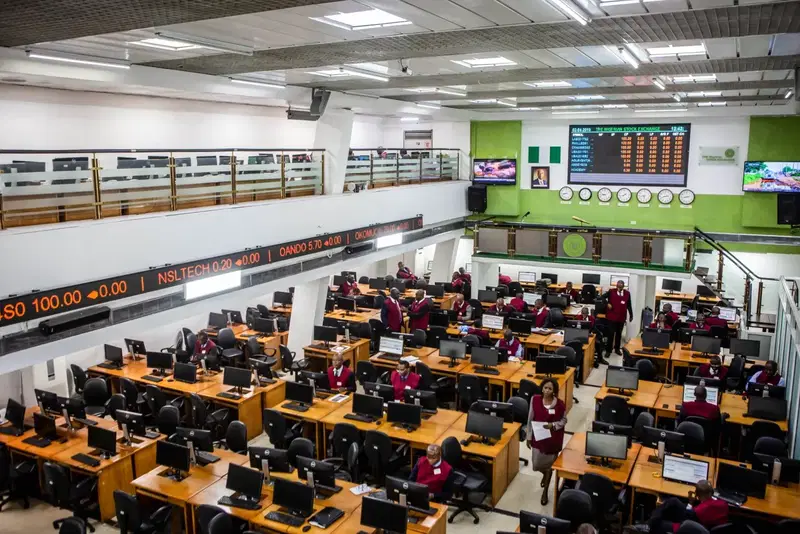
At least 22 companies operating in Nigeria are facing significant financial pressure after accumulating a combined debt burden estimated at N3.9 trillion, raising concerns about their ability to remain operational and protect jobs.
The affected companies cut across different sectors of the economy, with their financial challenges linked to high borrowing costs, difficult operating conditions, foreign exchange pressures and declining revenues.
The debt burden has increased concerns among investors, workers and other stakeholders about the ability of some of the companies to meet their financial obligations while maintaining normal operations.
For heavily indebted businesses, rising interest payments can reduce the funds available for salaries, expansion, production and other operational expenses. Where companies are unable to restructure their obligations or improve cash flow, they may be forced to reduce costs, sell assets or scale down operations.
Job losses are therefore among the potential consequences of prolonged financial distress, particularly in companies with large workforces or extensive supply chains.
The situation also highlights the broader challenges facing businesses in Nigeria, where high energy costs, infrastructure deficiencies, exchange-rate volatility and restricted access to affordable financing continue to affect operating expenses.
Financial difficulties among major companies can have wider economic effects because businesses support numerous workers, suppliers, contractors and other service providers.
Experts have continued to call for stronger corporate governance, improved access to long-term financing and policies that can reduce the cost of doing business.
For the affected companies, debt restructuring and additional capital could provide opportunities to stabilise operations, depending on the scale of their liabilities and underlying business performance.
However, where restructuring efforts fail, creditors may seek recovery through legal or other financial processes, potentially affecting the future of the businesses and their employees.
The N3.9 trillion figure therefore highlights the scale of financial pressure facing the companies and the potential implications for employment and economic activity.
Sponsored

Related stories
 News
News
Police Arrest Three Suspects over Drug Possession, Child Defilement in Bauchi
Bauchi Police have arrested two men over suspected Indian hemp possession and a 20-year-old man over the alleged defilement of a seven-year-old girl in Dass.
 News
News
Oyo Government Denies Diphtheria Outbreak Claims, Says No Cases Confirmed
The Oyo State Government says no diphtheria cases have been confirmed, dismissing claims by an APC campaign organisation while outlining measures to manage suspected cases.
 News
News
Haitian-Canadian Novelist Denies Using AI to Write Debut Novel
Haitian-Canadian author Thélyson Orélien has denied using artificial intelligence to write his acclaimed debut novel, while admitting to past plagiarism and describing the controversy surrounding his work as deeply distressing.
 News
News
Fubara Commends IGP Disu for Neutrality During Rivers Crisis
Rivers State Governor Siminalayi Fubara has commended the Inspector-General of Police, Mr Olatunji Disu, for maintaining neutrality and professionalism while serving as Commissioner of Police in the state during its political crisis.
Comments (0)
Leave a comment
All comments are moderated before publishing. Your email is never published.