
INEC Deploys AI to Detect Result Discrepancies Ahead of 2027 Elections
The Independent National Electoral Commission has integrated artificial intelligence tools into its results verification process to identify inconsistencies and administrative errors ahead of the 2027 general elections, while retaining human oversight.
The Independent National Electoral Commission (INEC) has introduced artificial intelligence (AI) tools to examine election result records and flag discrepancies before final validation ahead of the 2027 general elections.
INEC Chairman, Prof. Joash Amupitan, disclosed the development as the commission intensifies preparations for the nationwide polls. He said the technology had been integrated into the commission’s results management process to help identify anomalies and administrative errors.
The commission has also established a dedicated Artificial Intelligence Division within its Information and Communications Technology Department to support the adoption of the technology and strengthen its capacity to address emerging electoral challenges.
Amupitan explained that AI would support election officials rather than replace their responsibilities, stressing that automated checks would remain subject to human auditing and legal verification.
The commission is developing an AI governance framework based on five principles: human oversight, transparency and accountability, data protection, cybersecurity and public trust.
Beyond checking result records, INEC is concerned about the potential misuse of AI to produce fake result sheets, fabricated videos, cloned voices of electoral officials and forged official documents. Such material could mislead voters and undermine confidence in genuine election information.
The chairman has urged media organisations to strengthen fact-checking and digital forensic capacity, verify election-related claims before publication and avoid circulating unofficial results prematurely. He maintained that the legal authority to declare election results rests with INEC.
The commission is also upgrading its Bimodal Voter Accreditation System (BVAS), conducting equipment audits and stress tests, and planning a nationwide mock accreditation exercise in November as part of preparations for the 2027 polls.
The presidential and National Assembly elections are scheduled for January 16, 2027, while governorship and State Houses of Assembly elections are scheduled for February 6.
INEC’s deployment of AI comes amid calls from electoral stakeholders for clear rules governing the technology, independent audits and transparent procedures for resolving discrepancies between physical result sheets and electronically processed records.
Sponsored

Related stories
 News
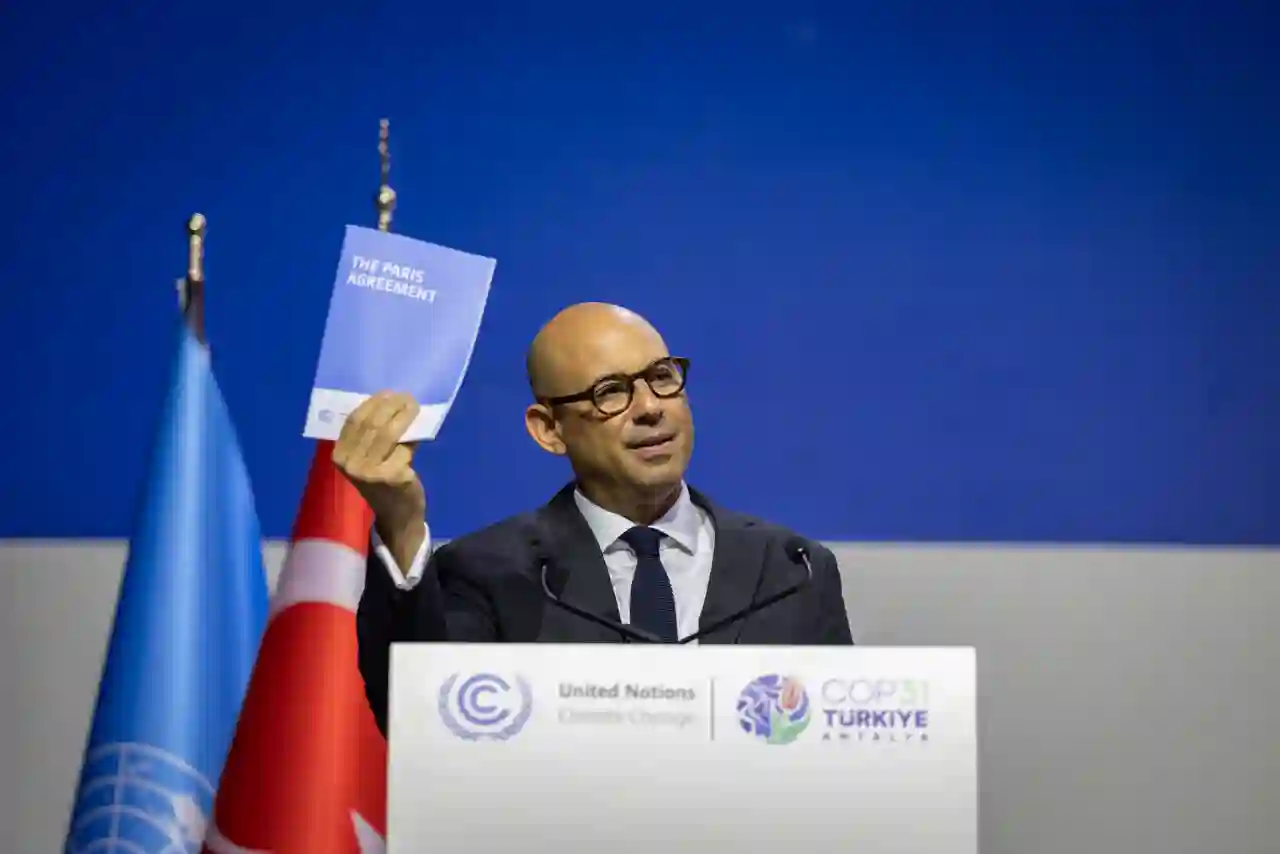
Global Warming Indicators Hit Record Levels as COP31 Calls for Urgent Action
The World Meteorological Organization says rising global temperatures, ocean heat and greenhouse gases underscore the urgent need for stronger climate action.
 News
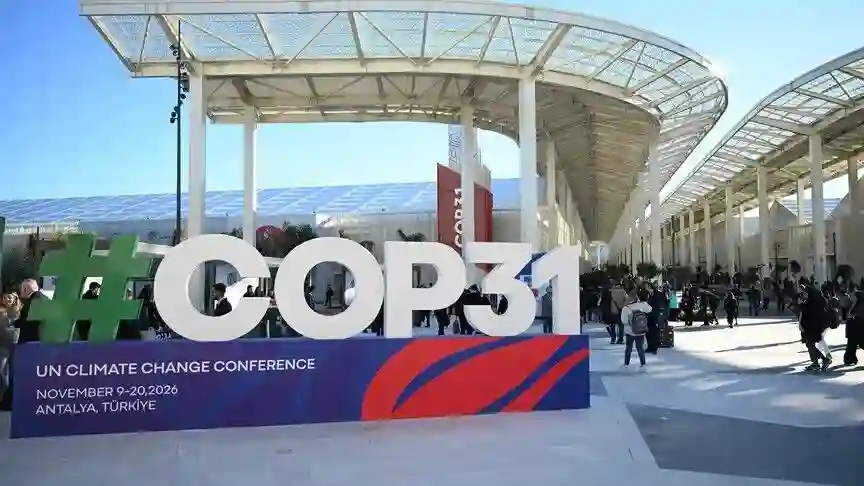
Vulnerable Island Nations Demand More Climate Finance at COP31
Small island nations at COP31 have called for stronger climate financing, warning that storms, floods and rising seas threaten livelihoods and development.
 News
War, Conflicts Must Not Distract World From Climate Action — Leaders Warn at COP31
Brazil and Türkiye have urged world leaders to maintain climate commitments despite wars, trade disputes and competing global political and economic crises.
 News
COP31: Energy Transition Takes Centre Stage as Countries Map Path Beyond Fossil Fuels
Countries at COP31 are pushing for faster electrification, renewable energy investment and practical roadmaps to reduce dependence on fossil fuels.
Comments (0)
Leave a comment
All comments are moderated before publishing. Your email is never published.