
Indonesian Vice-President Resigns Amid High School Certificate Scandal
Indonesia’s Vice-President, Gibran Rakabuming Raka, has resigned following controversy over his educational qualifications, which were questioned by court rulings and prompted calls for his impeachment.
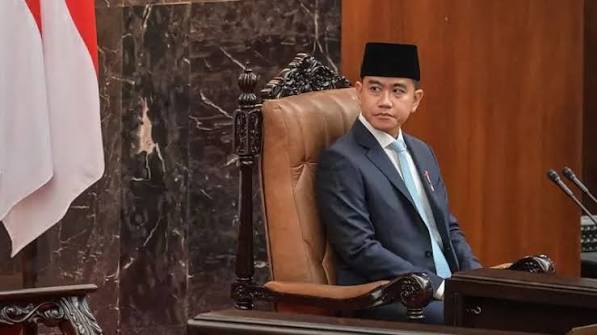
Indonesia’s Vice-President, Gibran Rakabuming Raka, has resigned from office amid growing controversy over his high school educational qualifications.
The 39-year-old submitted his resignation to President Prabowo Subianto and the leadership of the People’s Consultative Assembly, Indonesia’s highest legislative body, on Thursday.
The Assembly’s Speaker, Ahmad Muzani, confirmed that Gibran appeared before parliamentary leaders to formally submit his resignation letter.
His decision followed mounting pressure over the validity of his overseas educational credentials, after the country’s Supreme Court annulled a certificate recognising his foreign education as equivalent to an Indonesian high school qualification.
The controversy intensified after the Constitutional Court ruled in October that the documentation presented to establish his educational eligibility was insufficient, although it declined to disqualify him from office.
Gibran, the eldest son of former Indonesian President Joko Widodo, had previously maintained that he completed his secondary education in Singapore before obtaining a bachelor’s degree.
His resignation came a day after about 120 lawmakers from eight political parties signed a petition calling for parliamentary action over his eligibility to serve as vice-president.
The lawmakers argued that he no longer met the constitutional requirements for the office, prompting moves that could have led to impeachment proceedings.
Gibran’s departure also threatens to strain the political alliance between President Prabowo and his predecessor, Widodo, whose support played an important role in securing their victory in the 2024 presidential election.
Under Indonesia’s constitutional arrangements, a vacancy in the vice-presidential office does not automatically trigger a fresh election. The president is expected to nominate two candidates for the Assembly to select a replacement within 60 days.
The development adds to political uncertainty in Southeast Asia’s largest economy, which has also faced public dissatisfaction over economic challenges, corruption allegations and the government’s handling of other national issues.
Sponsored

Related stories
 News
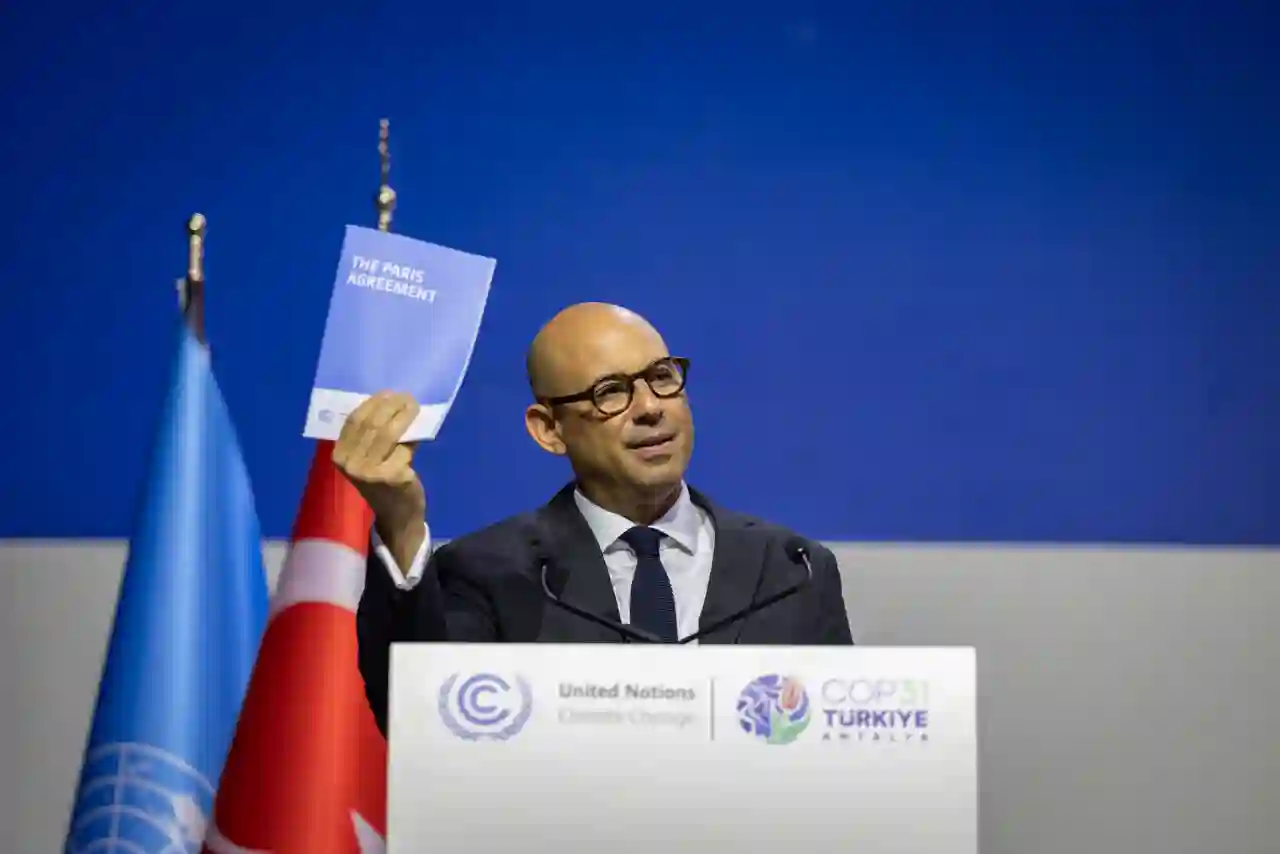
Global Warming Indicators Hit Record Levels as COP31 Calls for Urgent Action
The World Meteorological Organization says rising global temperatures, ocean heat and greenhouse gases underscore the urgent need for stronger climate action.
 News
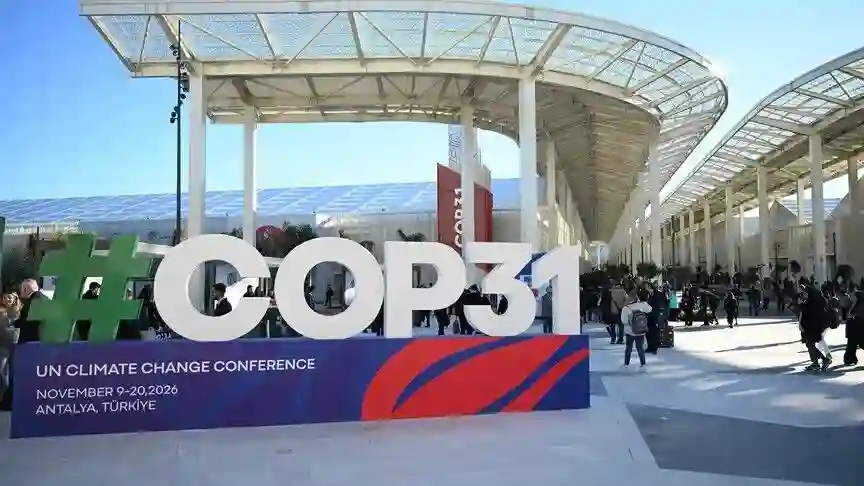
Vulnerable Island Nations Demand More Climate Finance at COP31
Small island nations at COP31 have called for stronger climate financing, warning that storms, floods and rising seas threaten livelihoods and development.
 News
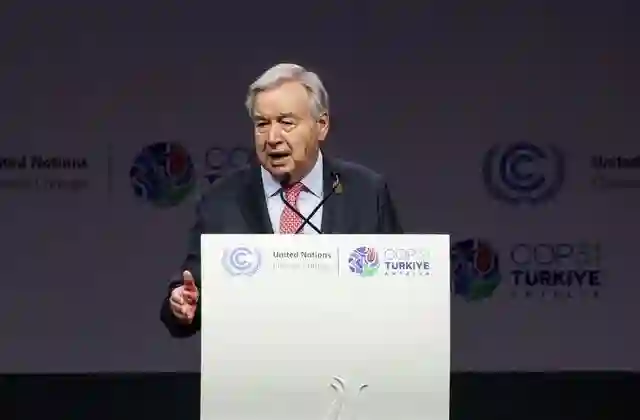
War, Conflicts Must Not Distract World From Climate Action — Leaders Warn at COP31
Brazil and Türkiye have urged world leaders to maintain climate commitments despite wars, trade disputes and competing global political and economic crises.
 News
COP31: Energy Transition Takes Centre Stage as Countries Map Path Beyond Fossil Fuels
Countries at COP31 are pushing for faster electrification, renewable energy investment and practical roadmaps to reduce dependence on fossil fuels.
Comments (0)
Leave a comment
All comments are moderated before publishing. Your email is never published.