
Geometric Power Positions Aba as Model for Reliable Electricity Supply in Nigeria
Geometric Power’s electricity distribution network is helping businesses, institutions and households in Aba reduce dependence on generators, lower operating costs and extend working hours. The company says its investments in infrastructure, metering and monitoring are supporting more reliable power supply.
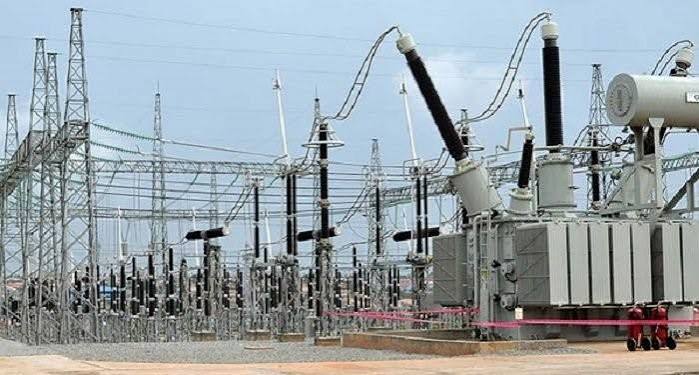
Aba, the commercial hub of Abia State, is emerging as an example of how reliable electricity supply can support industrial productivity, reduce operating costs and improve household welfare through the operations of Geometric Power and its subsidiary, Aba Power.
The company’s integrated electricity network has enabled manufacturers, traders, educational institutions and residents to reduce their reliance on petrol and diesel generators, with beneficiaries reporting longer working hours and lower energy expenses.
Chairman of Geometric Power, Professor Barth Nnaji, described the Aba Integrated Power Project, an investment exceeding $900 million, as the fulfilment of a long-standing ambition to provide reliable and affordable electricity to the city.
He said the company was committed to serving customers across different social and economic backgrounds, adding that access to dependable electricity was essential to improving livelihoods and supporting economic growth.
Unlike legacy distribution companies, Nnaji said, Aba Power was privately owned and had not received Federal Government subsidies.
The project’s completion was supported by a $50 million financing facility from the African Export-Import Bank (Afreximbank), which helped overcome delays that had stalled the development for several years.
Geometric Power’s Group Managing Director, Agatha Nnaji, said the financing was instrumental in completing and commissioning the project after prolonged institutional and operational challenges.
She explained that the company had maintained its facilities and retained staff throughout the delays, despite the additional costs incurred before the project became operational.
The company has also invested in distribution infrastructure designed to reduce disruptions. Its Director of Commercial Operations, Victor Ngwoke, said heavy-duty tubular steel poles with reinforced concrete foundations were installed to improve the network’s resilience.
He added that approximately 98 per cent of Aba Power’s customers had prepaid meters, enabling them to monitor electricity consumption and manage expenses. Smart meters and monitoring teams were also deployed to detect illegal connections and meter bypasses.
Aba Power currently draws an average of 50 to 60 megawatts from an installed generation capacity exceeding 140 megawatts. The available capacity has also enabled the company to extend electricity supply to some underserved communities in neighbouring Rivers State.
One beneficiary is Ogbonnaya Onu Polytechnic, Aba, where Rector Christopher Okoro said the institution’s energy expenses had fallen by approximately 80 per cent following its connection to Aba Power.
Okoro said unreliable electricity had previously constrained teaching, research and administrative activities, with staff often leaving the campus by 2 p.m. He said the improved supply had allowed students and employees to remain on campus later into the evening.
Manufacturers and traders have also reported improvements in their operations.
David Mmadueke, chairman of Damson Industries, a shoe-component manufacturer, said reliable electricity had enabled the factory to operate day and night shifts without routinely closing because of power outages.
Similarly, Obioma Onyebuchi, president of Aba North Shoe Plaza, which houses more than 2,000 shops, said traders had switched to Aba Power and were now able to work throughout the day without depending on individual generators.
Although some traders consider the electricity tariff expensive, Onyebuchi said the cost was preferable to their previous expenditure on petrol and diesel.
Households have also benefited from improved supply. Ada-Ngizi Greg-Ilobinso, a teacher, said dependable electricity had made it easier to preserve food, buy provisions in bulk and reduce frequent shopping trips.
The developments highlight the potential economic benefits of more reliable electricity, although the broader impact will depend on the affordability, consistency and expansion of supply to additional communities.
Geometric Power has expressed its intention to extend its reach across Abia State, subject to the necessary infrastructure and operational requirements.
Sponsored
Related stories
 News
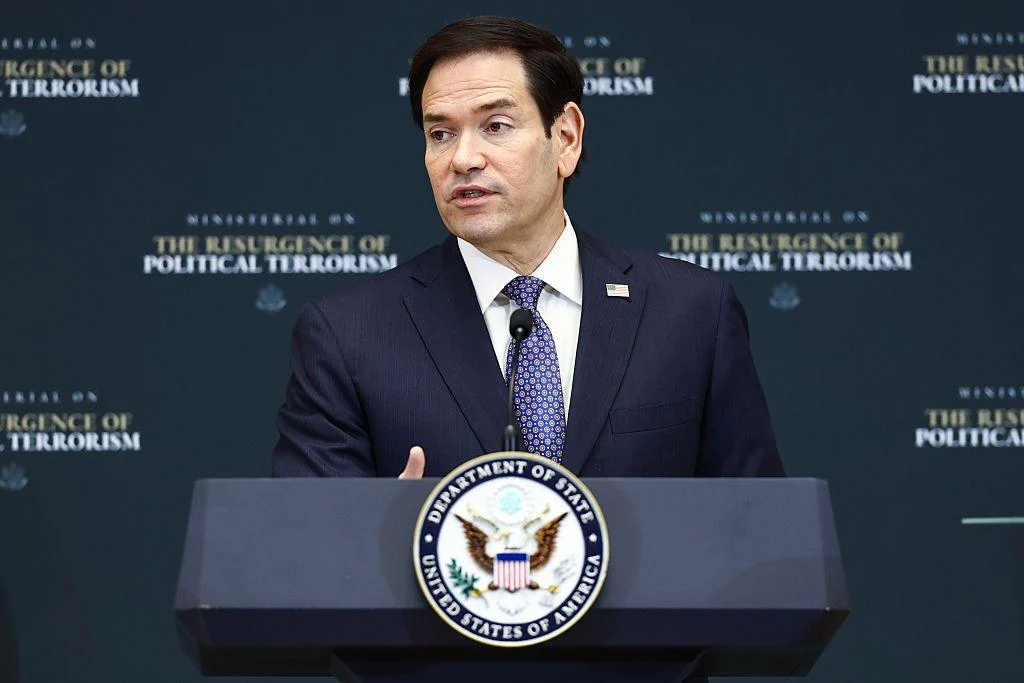
Rubio Says No Pause in US Intelligence Sharing with Ukraine
US Secretary of State Marco Rubio denies suspending intelligence sharing with Ukraine, contradicting President Volodymyr Zelenskyy’s account of a temporary disruption.
 News
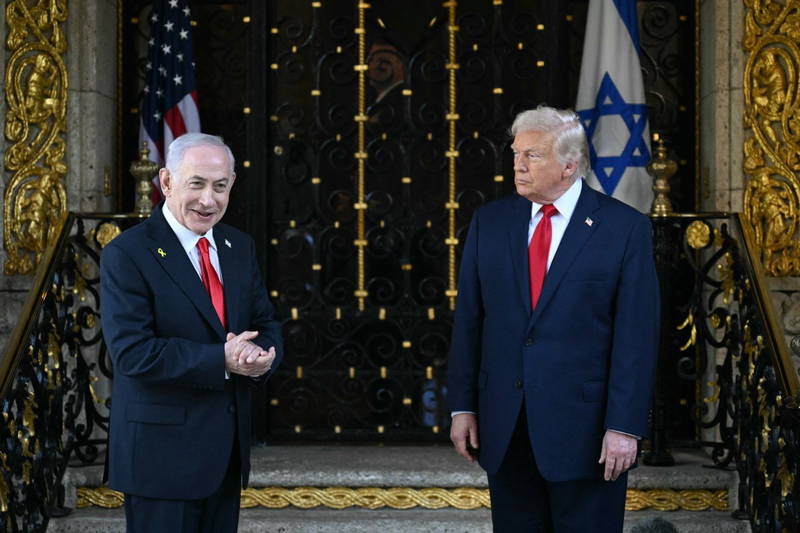
Trump Backs Ally Netanyahu Ahead of Israel’s Tight Election
US President Donald Trump has endorsed Israeli Prime Minister Benjamin Netanyahu ahead of the October 27 parliamentary election.
 News
IMF, World Bank Back Oyedele’s G-24 Leadership
IMF and World Bank leaders have commended Nigeria’s Finance Minister Taiwo Oyedele for leading calls for fairer global financing and debt reforms.
 News
Bauchi: Witchcraft Claim Sparks Violent Attack as Police Arrest 17
Police arrest 17 suspects after a witchcraft accusation triggered a violent attack on a father and his son in Bauchi State.
Comments (0)
Leave a comment
All comments are moderated before publishing. Your email is never published.