
Fuel Pump Prices Determined by Market Forces — NMDPRA
NMDPRA says petrol prices are driven by market forces, while government focuses on fair competition.
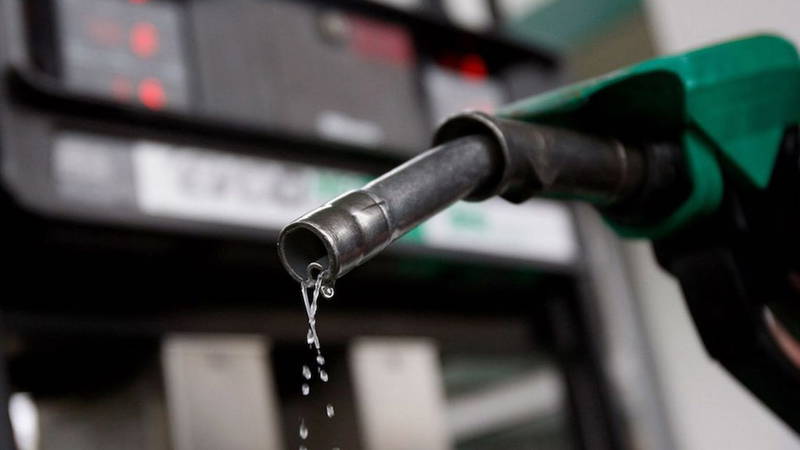
The Nigerian Midstream and Downstream Petroleum Regulatory Authority has clarified that it does not fix petrol pump prices, saying prices are determined by market forces under the Petroleum Industry Act.
The clarification came amid recent increases in the price of Premium Motor Spirit, commonly known as petrol, which the regulator acknowledged had increased financial pressure on households, transport workers and businesses.
In a statement on Saturday, NMDPRA said Section 205 of the Petroleum Industry Act 2021 provides that wholesale and retail prices of petroleum products should be based on unrestricted free-market pricing conditions.
The authority said it therefore does not set pump prices or issue administrative pricing templates for petroleum products.
It explained that government intervention in petroleum pricing is restricted to exceptional circumstances where there is formal evidence of a declared market failure.
NMDPRA, however, said its regulatory responsibility remains important in preventing anti-competitive practices, price-fixing and abuse of market dominance.
The authority said it was working with the Federal Competition and Consumer Protection Commission to monitor the market and address practices that could harm consumers.
It listed price-gouging, collusion, under-dispensing and compromised product quality among issues being monitored through joint surveillance.
The regulator also said it was conducting security operations with the Nigeria Customs Service and other relevant agencies along border corridors.
The operations are intended to curb the illegal cross-border diversion of petroleum products and improve supply stability across the country.
NMDPRA said deregulation does not exempt petroleum marketers and other operators from regulatory requirements or fair-trade standards.
The clarification follows renewed concern over petrol price increases, with motorists and transport operators facing higher operating costs.
The regulator previously identified crude oil sourcing, domestic refining arrangements, logistics, transportation and associated taxes among factors that can influence pump prices.
NMDPRA has also said that stronger competition and a more robust domestic refining ecosystem could help improve market conditions and make petroleum pricing more beneficial to consumers.
The authority maintained that its role under the current legal framework is to promote energy security, fair competition and consumer protection rather than directly determine retail prices.
It urged consumers and stakeholders to report suspected anti-competitive practices through appropriate regulatory channels.
Sponsored

Related stories
 News
‘We No Longer Find Private Jets to Hire’ — Akpabio Laments Difficulty Securing Aircraft for 2027 Campaigns
Senate President Godswill Akpabio says politicians are struggling to hire private jets ahead of the 2027 elections, raising concerns about Nigeria’s aviation capacity.
 News
GNA Opens Certified Citizen Reporter Registration to Nigerian Youths at Home, Abroad
Young Nigerians can register at GNACAA.org to learn governance, document public infrastructure and help verify community development projects.
 News
Nigerian-Trained Lawyer Dapo Akande Elected Judge of International Court of Justice
Nigerian-trained international law professor Dapo Akande has been elected to the International Court of Justice for a nine-year term, following a United Nations vote.
 News
Democrats Retake US House, Win Senate Control in US Midterm Elections
Democrats have regained control of the US House of Representatives and Senate after winning key races in the 2026 midterm elections, dealing a setback to President Donald Trump’s Republican Party.
Comments (0)
Leave a comment
All comments are moderated before publishing. Your email is never published.