
FRSC Identifies Persistent Safety Violations Among Tanker Drivers
The Federal Road Safety Corps has identified speeding, driver fatigue, overloading and driving against traffic as recurring violations among petroleum tanker operators, warning that they endanger road users.
.jpg)
The Federal Road Safety Corps (FRSC) has identified speeding, driver fatigue, overloading and driving against traffic as persistent safety violations among petroleum tanker drivers, warning that the practices continue to pose serious risks despite enforcement efforts.
FRSC spokesman, Osondu Ohaeri, disclosed this in Abuja on Sunday while discussing road safety challenges associated with the transportation of petroleum products and other goods by articulated vehicles.
Ohaeri said some tanker drivers exceeded recommended speed limits in attempts to meet delivery schedules, despite the difficulty of bringing heavily loaded vehicles to a safe stop.
He explained that the size and weight of tankers required drivers to exercise particular caution when approaching bridges, bends and congested sections of highways.
The spokesman also identified driver fatigue as a significant hazard, noting that some operators attempted to cover long distances, including journeys between Kano and Lagos, overnight without adequate rest.
He warned that driving while fatigued could impair concentration and reaction time, increasing the risk of losing control of a vehicle and causing a crash.
Ohaeri further raised concerns about drivers travelling against traffic and operators overloading vehicles or using them to carry additional goods alongside petroleum products.
According to him, such practices could compromise vehicle stability and expose drivers, passengers and other road users to danger. He attributed the continued violations partly to poor driver attitudes and pressure to meet delivery deadlines, stressing that operational demands should not take precedence over safety.
He said the corps had intensified public safety education and enforcement while engaging operators and other stakeholders to improve compliance with road traffic regulations.
Ohaeri disclosed that the FRSC had achieved about 75 per cent success in issuing appropriate Class G driving licences to relevant operators, as part of efforts to ensure that drivers possessed the qualifications required for their duties.
He added that the agency was also working with petroleum marketers and other industry stakeholders to strengthen safety standards throughout the transportation chain.
The spokesman urged tanker drivers and fleet operators to prioritise safety over delivery schedules, warning that violations involving vehicles carrying highly flammable products could have devastating consequences.
He called for greater driver discipline, adequate rest, proper vehicle maintenance and strict compliance with speed limits to reduce crashes involving tankers and other articulated vehicles.
Sponsored

Related stories
 News
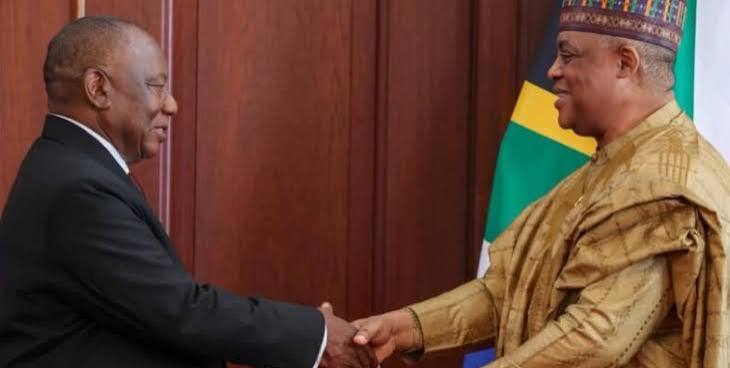
South Africa Releases Fani-Kayode’s Speech After Diplomatic Protest
The South African Presidency has released the full recording of Nigerian Ambassador Femi Fani-Kayode’s address to President Cyril Ramaphosa after the envoy protested its omission from an official livestream of a diplomatic ceremony in Pretoria.
 News
US Air Force Captain Arrested in Japan Over Suspected Drunk Driving
Japanese police have arrested a 27-year-old US Air Force captain in Okinawa on suspicion of drunk driving, amid heightened scrutiny of misconduct involving American military personnel stationed in the country.
 News
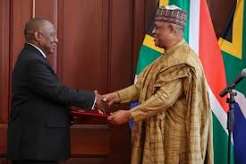
Ramaphosa’s Spokesman Tells Nigerian Mission to Stop Disgracing Country
South African President Cyril Ramaphosa’s spokesperson, Vincent Magwenya, has criticised Nigeria’s High Commission over its account of an alleged intervention by the President after Nigerian High Commissioner Femi Fani-Kayode’s speech was omitted from a diplomatic ceremony livestream.
 News
Jonathan Urges Nigeria to Abandon Religious, Ethnic Bias in Leadership Selection
Former President Goodluck Jonathan has called for an end to religious, ethnic and other divisive considerations in choosing political leaders, insisting that Nigeria’s development depends on prioritising competence and merit.
Comments (0)
Leave a comment
All comments are moderated before publishing. Your email is never published.