
FG Unveils Digital Plan to Tackle Teacher Shortage, Out-of-School Children
Federal Government introduces a national digital education strategy to improve teacher deployment, expand learning access and reconnect out-of-school children.

The Federal Government has unveiled a National EdTech Strategy designed to address teacher shortages, improve learning outcomes and expand access to education for millions of Nigerian children currently excluded from the school system.
The strategy, developed by the Federal Ministry of Education in collaboration with the Federal Ministry of Communications, Innovation and Digital Economy, provides a framework for using technology, education data and digital infrastructure to improve teaching and learning nationwide.
The document, titled Nigeria National EdTech Strategy, was prepared in October 2026 with support from the Mastercard Foundation and the World Bank Group. It outlines a roadmap covering 2026 to 2030.
According to the strategy, one of its major priorities is improving teacher capacity through the National Teacher Digital Competency Framework. The framework is expected to provide structured digital training, continuous professional development and technology-enabled teaching methods for educators.
The government also plans to strengthen teacher deployment through improved education data systems, allowing authorities to identify staffing gaps and make better decisions about the distribution of teaching personnel across schools and communities.
Another major component is the use of digital platforms and improved learner-tracking systems to identify children who are out of school and support their return to formal education or alternative learning programmes.
The strategy also prioritises underserved communities, rural schools, girls, children with disabilities and displaced learners. It recommends low-bandwidth and offline learning resources, accessible digital content and Nigerian-language educational materials to ensure that limited internet access does not prevent children from learning.
The National Education Data Infrastructure (NEDI), which has already been deployed and is collecting education data, will serve as a central component of the initiative. It is expected to strengthen education planning, resource allocation, monitoring and accountability.
The five pillars of the strategy cover data and interoperability, digital infrastructure, technology and procurement, teacher transformation, and governance and system coordination.
The government is also proposing improved electricity supply, broadband connectivity and access to digital devices in schools, alongside safeguards for data protection and the responsible use of artificial intelligence in education.
Implementation is expected to begin with mobilisation and foundational activities in late 2026 and 2027, followed by expansion in 2028 and further optimisation between 2029 and 2030.
The strategy recommends an initial demonstration programme involving six states, representing Nigeria’s six geopolitical zones, before wider implementation.
The Federal Government said the overall objective is to build an inclusive, digitally enabled education system that improves access to quality learning and prepares Nigerian learners for future economic opportunities.
Sponsored

Related stories
 News
Only 14 Nigerian States Pay Pensions Regularly — PenCom Discloses
PenCom says only 14 of Nigeria’s 36 states meet regular pension payment obligations, raising concerns over retirees’ welfare and outstanding benefits.
 News
Nigeria’s Inflation Rate Drops to 14.06% in October — NBS
Nigeria’s headline inflation eased to 14.06 per cent in October from 14.63 per cent in September, as food inflation also declined.
 News
UniAbuja Land Reduction Approved by Wike’s Predecessor — FCTA
FCTA says former minister Mohammed Bello approved the recommendation to reduce UniAbuja’s land, insisting Wike implemented an earlier decision.
 News
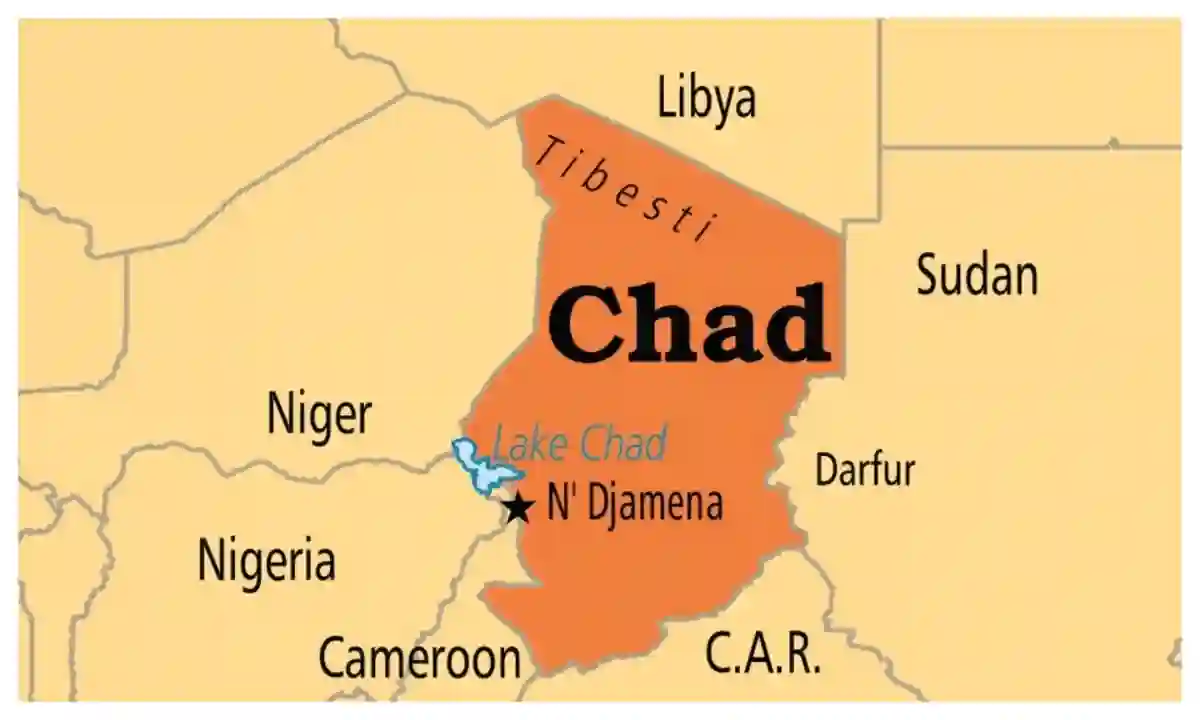
Two Killed, 30 Inmates Escape in Chad Prison Break
Two people have been killed and three seriously injured after 30 inmates escaped from a prison in Mongo, central Chad, amid widespread destruction.
Comments (0)
Leave a comment
All comments are moderated before publishing. Your email is never published.