
FG, UN Disappointed as COP31 Climate Talks Collapse Without Agreement
The Federal Government and United Nations expressed disappointment after COP31 ended without consensus, exposing divisions over fossil fuels and climate finance.
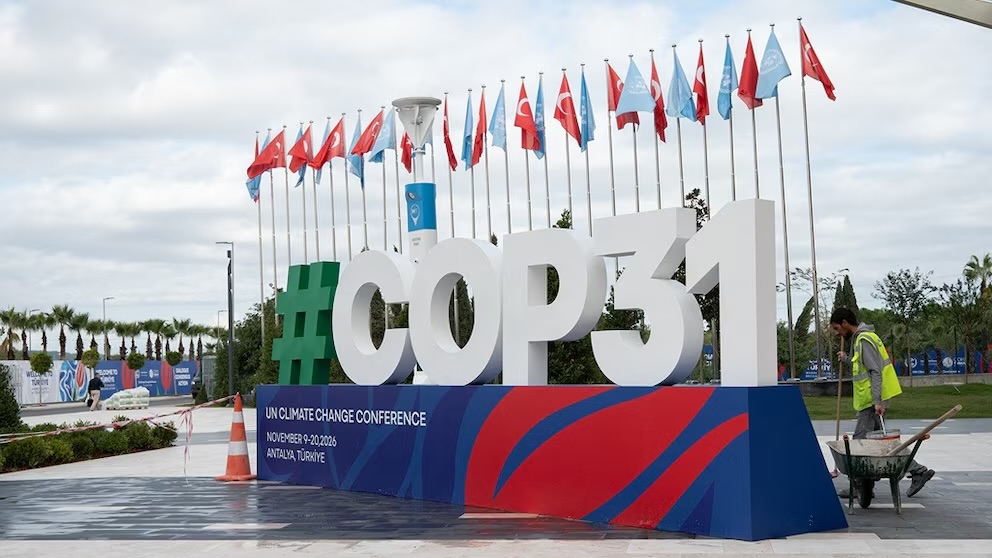
The Federal Government and the United Nations have expressed disappointment following the collapse of negotiations at the 31st United Nations Climate Change Conference (COP31) in Antalya, Türkiye, after participating countries failed to agree on an overarching climate deal.
The conference ended on Sunday, November 22, without consensus on a final political agreement, following more than two weeks of negotiations that extended almost 48 hours beyond the scheduled closing date.
The disagreement centred on fossil fuel transition, climate finance and measures to support countries most vulnerable to the effects of climate change.
United Nations Secretary-General António Guterres described the outcome as deeply disappointing, saying governments had failed to reach the level of agreement demanded by the climate crisis.
In a statement issued after the conference, Guterres warned that the absence of consensus did not change the scientific evidence on global warming.
He called for faster reductions in greenhouse gas emissions, increased climate financing and stronger protection for vulnerable communities. He also urged developed countries to fulfil their commitments on adaptation funding.
Nigeria also expressed disappointment over the outcome. The Director-General of the National Council on Climate Change, Teniola Majekodunmi, said the failure to reach an overarching political agreement highlighted continuing challenges in international climate cooperation.
However, she stressed that the absence of a new agreement did not invalidate existing commitments under the Paris Agreement.
Majekodunmi said Nigeria would remain focused on implementing its Nationally Determined Contribution (NDC 3.0), strengthening climate governance, attracting investment and pursuing an orderly and just energy transition.
She maintained that climate ambitions must be supported by adequate financing, practical implementation strategies and recognition of the different circumstances of individual countries.
The negotiations broke down after several countries, including members of the European Union, rejected the proposed final text because it did not explicitly address transitioning away from fossil fuels.
Oil-producing countries, including Saudi Arabia and Russia, opposed stronger language on fossil fuel phase-out, while developing nations raised concerns about inadequate financial support for climate adaptation.
The proposed agreement also faced criticism over its provisions on carbon-removal technologies and the absence of a clear financial baseline for increasing adaptation funding.
COP31 President Murat Kurum confirmed that the final draft would not be adopted because consensus could not be reached.
The failure marks a significant setback for multilateral climate negotiations and comes as countries face increasing pressure to accelerate emissions reductions and strengthen climate resilience.
The next UN climate conference, COP32, is scheduled to take place in Ethiopia in 2027.
Sponsored

Related stories
 News
I Feared Losing My Leg After Shooting — Broda Shaggi
Nigerian comedian Broda Shaggi says he feared losing his leg after a stray bullet injury left him unable to walk for months.
 News
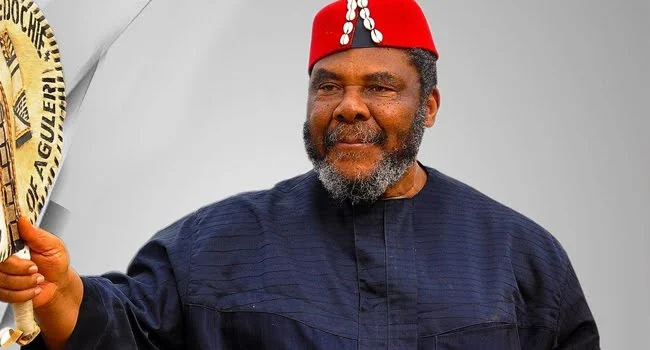
My Son Faced Rejection Over Marriage Controversy — Pete Edochie
Veteran actor Pete Edochie says his son, Yul, faced public and professional rejection after his controversial decision to marry actress Judy Austin.
 News
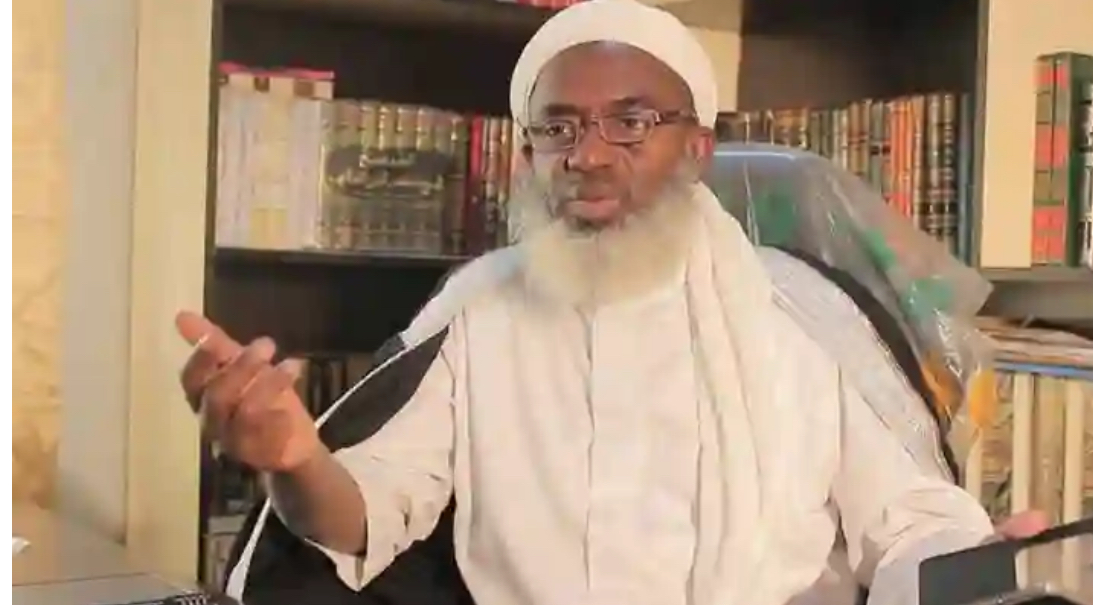
Emirs Found Guilty of Immoral Conduct Should Be Removed Immediately — Gumi
Islamic cleric Ahmad Gumi says traditional rulers found guilty of immoral conduct should be dethroned, following allegations against the Emir of Daura.
 News
Makinde Opposes Politicians’ Children Working Around Government Offices
Oyo State Governor Seyi Makinde says he opposes politicians’ children working around government offices, insisting they should pursue independent careers and opportunities.
Comments (0)
Leave a comment
All comments are moderated before publishing. Your email is never published.