
FG to Impose New Electricity Tariff on Universities, Teaching Hospitals Over Renewable Energy — Tegbe
Federal Government plans tariffs for renewable electricity supplied to universities and teaching hospitals nationwide.
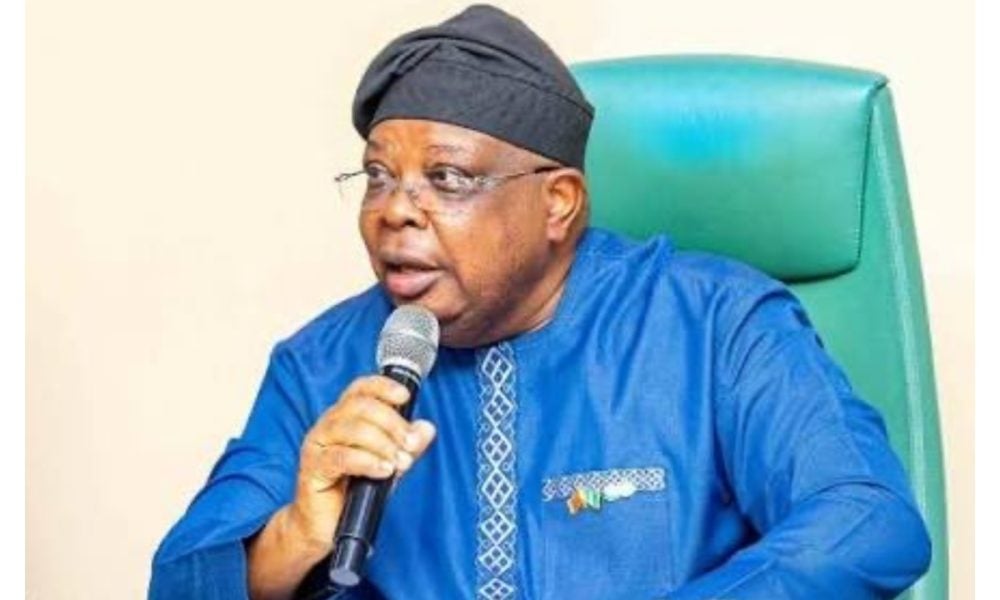
The Federal Government has announced plans to introduce electricity tariffs for universities and teaching hospitals benefiting from its renewable energy projects across Nigeria.
The Minister of Power, Joseph Tegbe, disclosed this on Wednesday in Abuja during the unveiling of the Renewable Asset Management Company (RAMCO), a state-owned company established to manage and sustain government-owned renewable energy assets.
Tegbe said the introduction of tariffs was necessary to ensure that renewable energy infrastructure deployed by the Federal Government remained operational and sustainable.
According to him, the government had historically performed well in constructing public infrastructure but struggled to provide adequate funding for maintenance and long-term sustainability.
He explained that several universities had enjoyed free electricity from government-supported renewable energy projects for about two years. However, he said the period of free electricity had ended, with beneficiary institutions expected to begin paying for the electricity supplied.
“Some universities came to me on a courtesy visit to thank me after using free light for two years. I told them, thank you; the pro bono is over. We are coming to commission, and you will pay tariff. The same thing with teaching hospitals,” Tegbe said.
The minister added that RAMCO would provide a new management model for renewable energy assets and help address the challenges associated with maintaining public infrastructure.
Earlier, the Managing Director of the Rural Electrification Agency (REA), Abba Aliyu, supported the proposed tariff structure, saying the government needed to recover part of the value of its renewable energy investments.
Aliyu said the Federal Government, through the REA, had deployed 82 megawatts of solar hybrid power since 2017 under the Energising Education Programme.
The projects, he noted, had been implemented across 22 federal universities and three teaching hospitals.
The REA boss stressed that introducing electricity tariffs would help generate funds required to operate, maintain and preserve the renewable energy assets.
The government’s position signals a shift from subsidised or free electricity supplied through the projects towards a cost-recovery model designed to ensure their long-term sustainability.
The proposed tariffs are expected to affect the tertiary institutions and teaching hospitals benefiting from the Federal Government’s renewable energy investments.
Sponsored

Related stories
 News
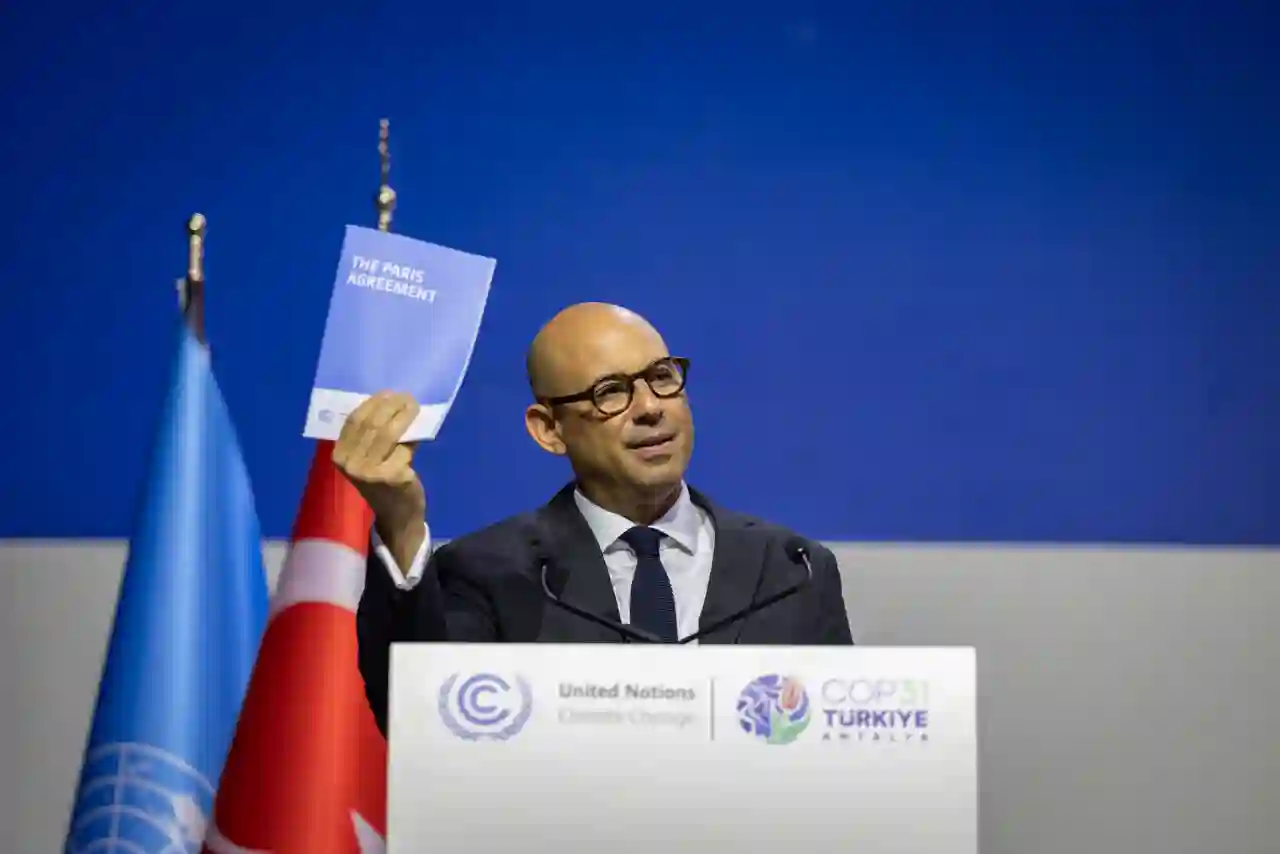
Global Warming Indicators Hit Record Levels as COP31 Calls for Urgent Action
The World Meteorological Organization says rising global temperatures, ocean heat and greenhouse gases underscore the urgent need for stronger climate action.
 News
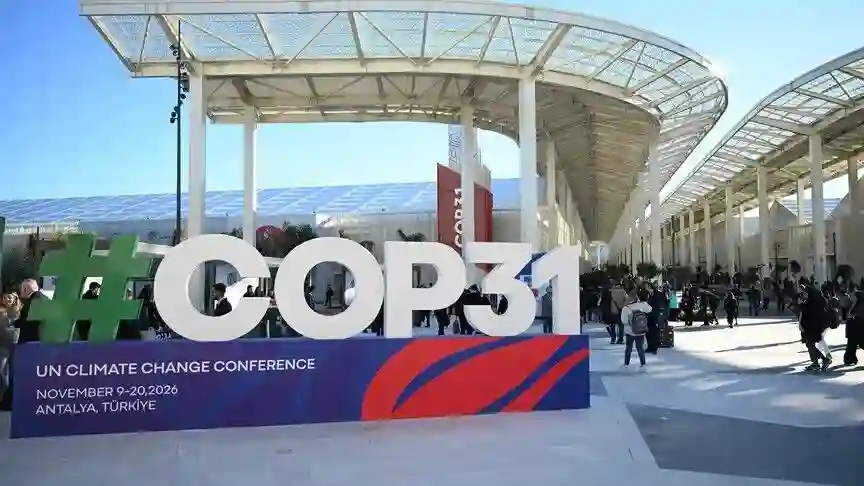
Vulnerable Island Nations Demand More Climate Finance at COP31
Small island nations at COP31 have called for stronger climate financing, warning that storms, floods and rising seas threaten livelihoods and development.
 News
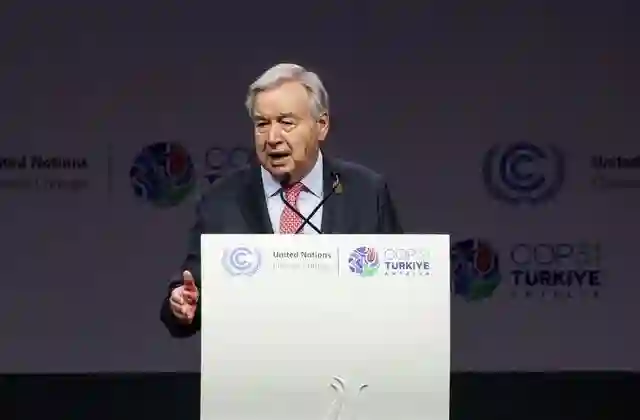
War, Conflicts Must Not Distract World From Climate Action — Leaders Warn at COP31
Brazil and Türkiye have urged world leaders to maintain climate commitments despite wars, trade disputes and competing global political and economic crises.
 News
COP31: Energy Transition Takes Centre Stage as Countries Map Path Beyond Fossil Fuels
Countries at COP31 are pushing for faster electrification, renewable energy investment and practical roadmaps to reduce dependence on fossil fuels.
Comments (0)
Leave a comment
All comments are moderated before publishing. Your email is never published.