
FG Showcases $125m Housing PPP Model to African Nations
The Federal Government has presented its $125 million Renewed Hope Housing Public-Private Partnership model to representatives from 36 African countries, attracting interest from nations seeking to replicate the approach. The programme targets 100,000 housing units by combining private-sector investment with concessional financing and government-backed measures to reduce costs.
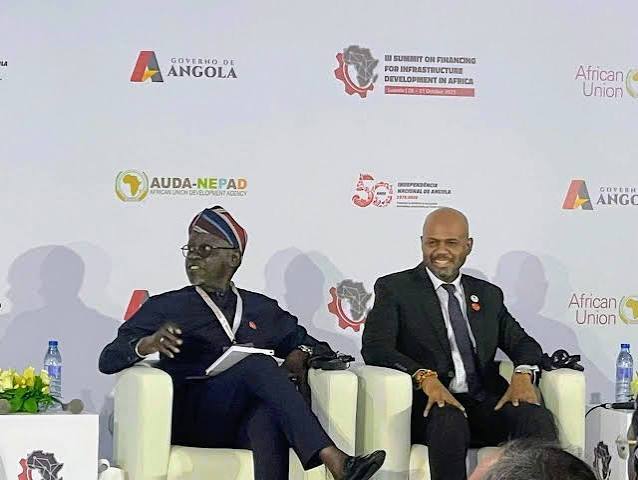
The Federal Government has showcased its Renewed Hope Housing Public-Private Partnership (PPP) model to African countries as a potential framework for expanding affordable housing through private investment and government-supported financing arrangements.
The model was presented by the Director-General of the Infrastructure Concession Regulatory Commission (ICRC), Dr Jobson Oseodion Ewalefoh, at the Second Forum for Public-Private Partnership Units in Africa, held at the United Nations Economic Commission for Africa headquarters in Addis Ababa, Ethiopia.
The forum attracted delegations from 36 countries and examined ways to use public-private partnerships to improve the delivery of social infrastructure, including housing, healthcare, education, sanitation and water services.
Nigeria was among five countries selected to present projects at the forum’s project clinic, alongside Malawi, Kenya, Djibouti and Côte d’Ivoire.
Speaking on behalf of the Nigerian delegation, Ewalefoh said the Renewed Hope Cities programme was designed to deliver 100,000 housing units across selected Nigerian cities through partnerships with private-sector developers.
He explained that the arrangement differed from conventional PPP structures because the private partner provides the land, designs the development, arranges financing and undertakes construction, while the government focuses on reducing investment risks and improving affordability.
The government’s interventions include identifying middle-income federal civil servants as prospective homebuyers, providing access roads to project locations and facilitating concessional financing.
According to the commission, the Federal Mortgage Bank of Nigeria has unlocked approximately $19 million in financing at single-digit interest rates, while the Family Homes Fund has provided an additional $20 million in concessionary loans.
Homebuyers are also expected to benefit from reduced mortgage rates through an approximately $112 million Ministry of Finance Incorporated Real Estate Investment Fund.
The government has negotiated housing prices with developers to improve affordability and introduced a restriction limiting each buyer to one unit to discourage speculative purchases.
Ewalefoh said the measures had reduced the project’s effective cost by about 30 per cent, helping to make private investment more viable in a market where commercial lending rates exceed 23 per cent.
He disclosed that the project’s construction cost stood at approximately $125 million in private-sector investment, supported by about $39 million in concessional financing intended to unlock the development.
According to him, the structure demonstrates how governments can expand housing supply without directly financing the full construction cost, using policy support, access infrastructure and financing arrangements to attract private capital.
The model attracted interest during the forum’s question-and-answer session, particularly over its use of prospective government-worker buyers and concessional loans to reduce commercial risks and provide developers with a more predictable market.
Delegates sought information on how the financing and risk-sharing mechanisms could be adapted to their countries’ housing programmes.
The forum was jointly organised by the United Nations Economic Commission for Africa, the African Development Bank and the African Legal Support Facility under the theme, “Making Social Sector PPPs Work: From Policy Ambition to Effective Service Delivery”.
Discussions focused on financing arrangements, risk allocation, viability-gap funding, contract management and the challenges of delivering social infrastructure while keeping services affordable.
The ICRC said lessons from the forum would also inform Nigeria’s wider pipeline of social-sector PPP projects, as the government seeks to mobilise private investment for infrastructure development.
The housing initiative forms part of the Federal Government’s broader efforts to address the country’s housing deficit through partnerships that combine private-sector resources with public-sector support.
Sponsored

Related stories
 News
Obi Denies Asking Nigerians Abroad to Abandon Families, Defends Diaspora Remarks
Nigeria Democratic Congress presidential candidate Peter Obi has denied asking Nigerians living abroad to stop supporting their families at home, saying his remarks were misrepresented by political opponents. He said his message focused on building an economy where Nigerians could meet their basic needs without depending on relatives overseas.
 News
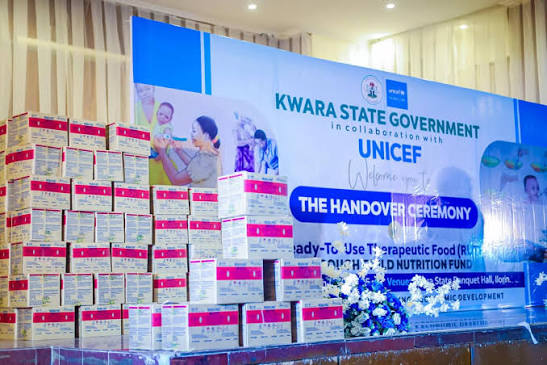
UNICEF Donates 11,580 Cartons of Therapeutic Food to Gombe to Fight Malnutrition
The United Nations Children’s Fund has donated 11,580 cartons of Ready-to-Use Therapeutic Food to the Gombe State Government to support the treatment of children with severe acute malnutrition. The donation follows the state’s provision of ₦500 million in counterpart funding for nutrition interventions in 2025, matched by an equal contribution through the Child Nutrition Fund.
 News
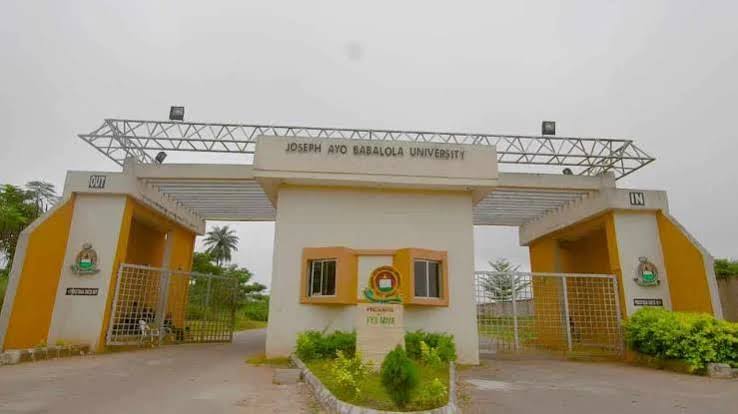
83 Bag First-Class Honours as JABU Prepares to Graduate 1,043 Students
Joseph Ayo Babalola University, Osun State, is set to graduate 1,043 students at its 17th convocation ceremony, with 83 earning First-Class Honours. The ceremony will also mark the institution’s 20th anniversary, with 146 postgraduate students, including 22 doctoral graduates, among the graduands.
 News
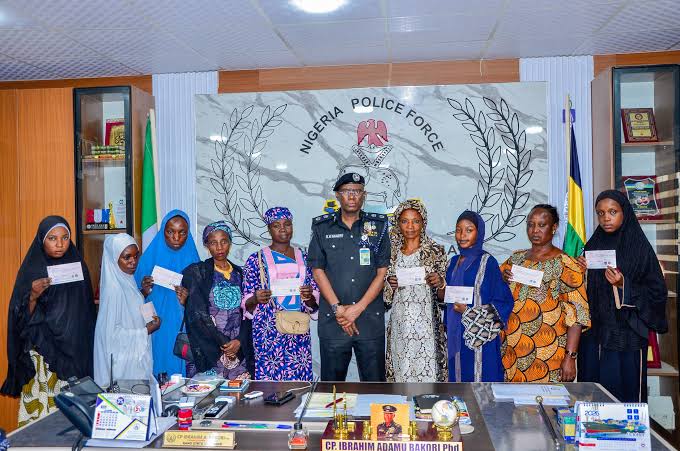
Kano Police Pay ₦7.57m Insurance Benefits to Families of 17 Fallen Officers
The Kano State Police Command has disbursed ₦7.57 million in Group Life Assurance benefits to the families and next of kin of 17 officers who died in the line of duty. The commissioner of police said the payment reflected the force’s commitment to supporting the dependants of deceased personnel.
Comments (0)
Leave a comment
All comments are moderated before publishing. Your email is never published.