
FG Approves East, West Super Grids to Raise Transmission Capacity to 19,000MW
The Federal Government has approved eastern and western super grid projects to expand transmission capacity, strengthen electricity delivery and support power sector reforms.
The Federal Government has approved plans to develop eastern and western super grids as part of efforts to increase Nigeria’s electricity transmission capacity from approximately 5,000 megawatts to 19,000 megawatts.
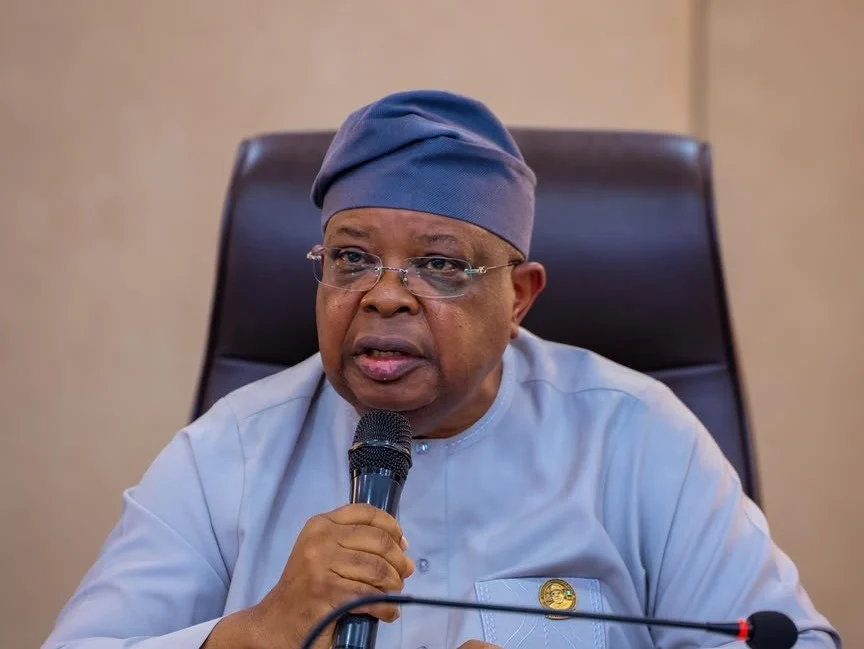
The Minister of Power, Joseph Tegbe, disclosed the plan while briefing State House correspondents after the Federal Executive Council meeting presided over by President Bola Tinubu in Abuja.
According to the minister, the proposed super grids will form part of a broader strategy to address transmission bottlenecks, improve grid stability and enable more electricity generated by power plants to reach distribution companies and consumers.
Nigeria’s electricity sector continues to face challenges involving inadequate transmission infrastructure, frequent grid disturbances and limitations in delivering available generation to homes and businesses. The planned projects are intended to strengthen the national network and improve the movement of electricity across different regions.
The eastern and western super grids are expected to support the transmission system by increasing its capacity and improving the flexibility of power evacuation. Greater transmission capacity could also help reduce constraints that prevent generation companies from supplying more electricity to the grid.
The government’s target of 19,000MW represents a substantial expansion from the current transmission capacity cited by the minister. Achieving that goal will require coordinated investment in transmission lines, substations, associated equipment and other supporting infrastructure.
The proposed expansion also comes as the administration pursues measures to address longstanding financial challenges in the electricity market, including outstanding debts owed to generation companies.
The government has maintained that improving transmission infrastructure must go alongside reforms to strengthen the financial sustainability of the power sector and improve service delivery.
However, the impact of the projects will depend on implementation timelines, financing arrangements, construction progress and coordination among generation, transmission and distribution operators.
The Federal Government is expected to provide further details on the projects’ costs, locations, procurement arrangements and implementation schedules as the plans advance.
If successfully implemented, the super grids could provide additional capacity for transmitting electricity and support efforts to improve the reliability of power supply across Nigeria.
Sponsored

Related stories
 News
Tinubu Departs Abuja for Makkah to Pray for Nigeria
President Bola Tinubu has departed Abuja for Makkah, Saudi Arabia, to perform Umrah and pray for Nigeria’s peace, unity, stability and progress.
 News
$21.7bn External Borrowing Plan Is Investment, Not Debt — Oyedele
Taiwo Oyedele says Nigeria’s proposed $21.7 billion external borrowing programme is designed to finance development investments, infrastructure and economic growth.
 News
Tinubu Approves N45bn for Disease Surveillance in Five Airports
President Bola Tinubu’s government has approved a N45.8 billion airport surveillance system to detect Ebola and other dangerous pathogens entering Nigeria.
 News
Ebola: FG Pays Contacts ₦100,000 Weekly for Quarantine — Minister
The Federal Government is providing ₦100,000 weekly to people quarantined after possible Ebola exposure, aiming to support families and ensure compliance.
Comments (0)
Leave a comment
All comments are moderated before publishing. Your email is never published.