
Falling Inflation Does Not Mean Lower Prices, Oyedele Explains
Finance Minister Taiwo Oyedele has explained that declining inflation does not mean goods and services are becoming cheaper, but that prices are increasing at a slower rate. He said persistent high costs of essential items, including bread and milk, have contributed to public scepticism about official inflation figures.
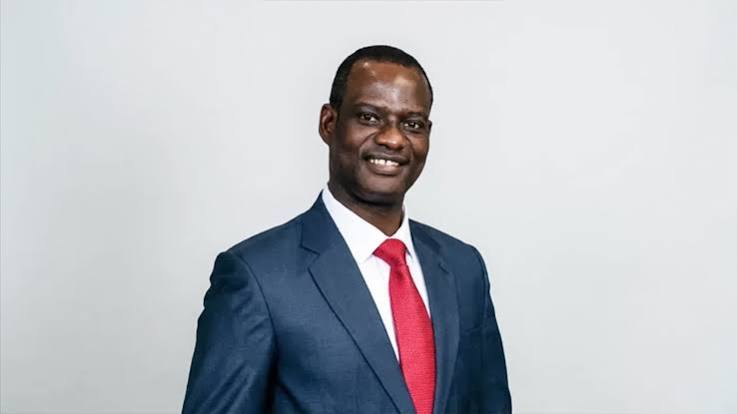
The Minister of Finance and Coordinating Minister of the Economy, Taiwo Oyedele, has urged Nigerians to distinguish between falling inflation and falling prices, explaining that a reduction in the inflation rate only means the cost of goods and services is increasing more slowly.
Oyedele gave the explanation on Tuesday at the Global Alliance World Public Relations Forum in Abuja, where he addressed public concerns over the continued high cost of essential commodities despite improvements in the country's inflation figures.
He noted that Nigeria's headline inflation rate declined to 14.06 per cent in October 2026, its lowest level in six years, describing the development as a reflection of the economic reforms introduced by President Bola Tinubu's administration.
However, he acknowledged that many households remained unconvinced by the figures because the prices of everyday necessities, including bread and milk, were still high.
According to him, the confusion was understandable, as consumers often interpret declining inflation as an indication that market prices should also fall.
He said the government needed to take responsibility for improving public understanding of economic indicators and communicating the impact of its policies more effectively.
Oyedele explained that when consumers lost confidence in official inflation figures, their expectations could influence market behaviour, prompting traders and producers to increase prices in anticipation of further cost increases.
He observed that businesses could adjust their prices in advance to protect themselves against expected increases, thereby reinforcing the very price pressures consumers feared.
The minister described the situation as a self-fulfilling cycle, using the examples of bakers and dairy suppliers who might raise the prices of their products because they anticipated higher operating costs.
He stressed that economic progress should not be communicated in a manner that dismisses the financial difficulties experienced by ordinary Nigerians.
According to him, improving macroeconomic indicators and the hardship faced by households could coexist, adding that responsible communication must acknowledge both realities.
Oyedele also criticised misinformation and what he described as distorted narratives surrounding the government's tax reforms, arguing that some commentators had misrepresented provisions intended to protect small businesses and exempt low-income earners.
He further warned that persistent negative portrayals of Nigeria as a failed or unsafe investment destination could damage the country's economic prospects.
While acknowledging Nigerians' right to criticise government policies and demand accountability, he cautioned against narratives that could discourage investors and young people from pursuing opportunities within the country.
Earlier, the Minister of Foreign Affairs, Bianca Odumegwu-Ojukwu, called for stronger diplomatic relations between Nigeria, members of the Economic Community of West African States and neighbouring Sahel countries.
She said sustained cooperation was necessary to protect cross-border trade, maintain open trade routes and address shared security challenges.
The minister warned that strained relations between neighbouring countries could undermine longstanding economic, social and cultural ties among communities across the region.
She also outlined Nigeria's foreign policy priorities under President Tinubu, anchored on democracy, development, demography and diaspora, saying the principles must translate into measurable benefits for citizens.
Odumegwu-Ojukwu further emphasised the need for Africa to move beyond being a subject of international discussions and take a more active role in shaping decisions affecting the continent.
Sponsored

Related stories
 News
Delta Governor Backs CAN Prayer Retreat Centre Project
Delta State Governor Sheriff Oborevwori has pledged government support for the proposed Christian Association of Nigeria (CAN) Prayer Retreat Centre, promising to work with the Christian community to secure suitable land for the project.
 News
Nigeria Cannot Afford to Ignore Technology in Education, Says Minister
Minister of Education, Tunji Alausa, has urged Nigeria to embrace technology in education, warning that the country cannot continue relying on manual teaching and learning methods amid widespread learning difficulties and inadequate access to qualified teachers.
 News
Tinubu Approves Take-Off of Kebbi Inland Dry Port
President Bola Tinubu has approved the establishment of an inland dry port in Kebbi State to strengthen trade, improve cargo handling and stimulate economic activities across the North-West region.
 News
NDC Urges Opposition Parties, Nigerians to Scrutinise INEC Voter Register
The Nigeria Democratic Congress (NDC) has urged opposition parties, civil society organisations and Nigerians to scrutinise the Independent National Electoral Commission's preliminary voter register ahead of the 2027 general elections, citing unexplained increases in registered voters in parts of the country.
Comments (0)
Leave a comment
All comments are moderated before publishing. Your email is never published.