
Ezekwesili, Tijani, Ogunyemi Lead Push to Recognise Home Care as National Infrastructure
Former Minister Obiageli Ezekwesili, Communications Minister Bosun Tijani and Lagos State Health Adviser Kemi Ogunyemi have called for home-based healthcare to be formally recognised, funded and regulated as part of Nigeria’s national health infrastructure.
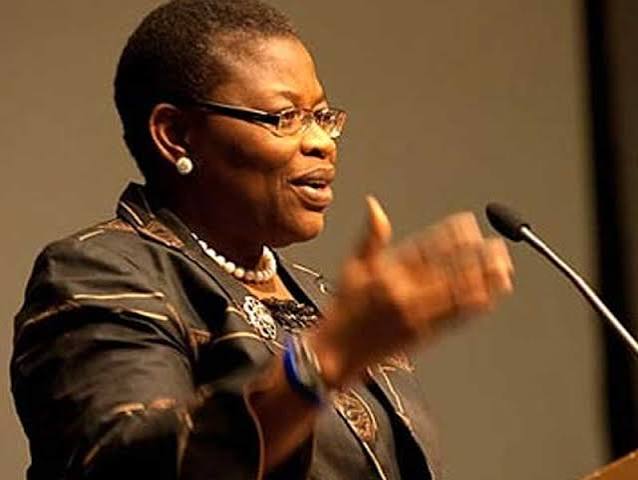
Prominent Nigerian policymakers and healthcare professionals have called for a coordinated national framework to recognise, finance and regulate home-based healthcare, stressing its importance to the country’s health system and economy.
The call was made at the 2026 Care Conference, organised by The Purple Global Mission at IALA Hub, The Chair Centre, Lagos, on Thursday, under the theme, “Care as Infrastructure: Building a National Position on Home Healthcare for Nigeria”.
The conference brought together former Minister of Education, Dr Obiageli Obi Ezekwesili; Minister of Communications, Innovation and Digital Economy, Dr Bosun Tijani; and Lagos State Governor’s Special Adviser on Health, Dr Kemi Ogunyemi, among other stakeholders.
The gathering also featured the launch of The Homecare Framework: Care as Infrastructure for Everyday Life, authored by the organisation’s founder, Abiola Hakeemat Etti-Ayilara.
Speaking as Special Guest of Honour, Ezekwesili said caregiving remained largely unrecognised in Nigeria’s public policies despite the significant responsibility carried by families, particularly women.
Citing the country’s first Time Use Survey, she disclosed that women spent approximately five hours daily on unpaid domestic and caregiving activities, compared with about one hour for men.
She warned that the growing population of older people, migration among younger Nigerians, urbanisation and shrinking household sizes were placing additional pressure on traditional family-based care arrangements.
According to her, patients discharged from hospitals often return home without adequate support systems, leaving relatives to assume responsibilities for which they may lack the necessary training and resources.
Ezekwesili also highlighted the financial burden of healthcare on Nigerian households, noting that approximately 71 per cent of health expenditure was paid out of pocket, while only an estimated 10 to 13 per cent of the population had health insurance coverage.
She argued that home-based care should be incorporated into health insurance arrangements and public budgets to reduce the financial pressure on families.
The former minister further described the care economy as an employment opportunity, citing estimates by the National Bureau of Statistics and UN Women that investment in the sector could generate about 17 million jobs.
She maintained that recognising care as infrastructure would support not only healthcare delivery but also economic development and productivity.
In his keynote address on digital health infrastructure, Tijani stressed the need to connect homes, clinics and hospitals through reliable digital systems that would allow patient information to move securely between healthcare providers.
He said Nigeria required approximately 120,000 kilometres of fibre-optic infrastructure to achieve quality connectivity, while the Federal Government was working towards deploying 90,000 kilometres.
The minister also highlighted the country's growing data consumption, which increased from about 400,000 terabytes to 1.7 million terabytes as of August.
He identified digital identity through the National Identification Number, instant payments through the Nigeria Inter-Bank Settlement System and the country's postcode system as important components of an emerging shared digital infrastructure.
Tijani explained that reliable location information could improve emergency response, facilitate the delivery of medicines and help coordinate caregivers supporting patients after hospital discharge.
He emphasised the importance of interoperability, saying patient records should be transferred securely between healthcare providers to ensure continuity of treatment.
Ogunyemi, who spoke on clinical governance, warned that expanding access to home healthcare without adequate safety standards could expose vulnerable people to abuse, negligence and medical errors.
She stressed that patients must receive appropriate treatment from qualified personnel under conditions that protect their safety and dignity.
The health adviser highlighted the importance of infection prevention, proper medication administration, clinical supervision, informed consent and patient privacy.
She disclosed that Lagos State had established quality improvement units in all its general hospitals, strengthened the regulatory role of the Health Facility Monitoring and Accreditation Agency (HEFAMAA) and introduced mandatory incident reporting.
Ogunyemi urged healthcare organisations and development partners to work with existing government structures, follow established protocols and strengthen local capacity rather than establish parallel systems.
The speakers also drew attention to the welfare of caregivers, many of whom work long hours without adequate training, financial protection or professional support.
Ezekwesili called for caregivers to receive proper training, certification, fair remuneration and clear career pathways, while Ogunyemi stressed the need for supervision, adequate rest and accountability among healthcare workers.
As the conference concluded, Ezekwesili urged government to move beyond acknowledging the proposed framework and take concrete steps towards legislation, budgetary allocation and regular reporting on implementation.
She also encouraged citizens to demand improved care services and stronger protections for vulnerable people.
The conference organisers said the initiative was aimed at developing a national position on home healthcare, with emphasis on making care more visible, measurable, affordable, safe and integrated into Nigeria’s wider health system.
Sponsored

Related stories
 News
FG Equips 7,000 Lagos TVET Graduates to Start Businesses
Federal Government begins distributing business starter kits to 7,000 Lagos TVET graduates to promote self-employment, entrepreneurship and job creation.
 News
FG Backs Efforts to Develop Lassa Fever Vaccine in Nasarawa
Federal Government pledges support for Nasarawa researchers developing local Lassa fever vaccine candidates to strengthen Nigeria's disease prevention and research capacity.
 News
FG Backs Abuja Aviation School as Regional Training Hub
Federal Government backs Baze University's aviation school in Abuja, supporting efforts to develop skilled professionals and position Nigeria as West Africa's aviation training hub.
 News
Six Killed in Israeli Strikes on Gaza Despite Ceasefire
At least six Palestinians have been killed in Israeli strikes across Gaza, raising fresh concerns over the fragile ceasefire between Israel and Hamas.
Comments (0)
Leave a comment
All comments are moderated before publishing. Your email is never published.