
EFCC Tasks Pastors, Imams on Anti-Corruption Preaching
EFCC Chairman Ola Olukoyede urged religious leaders to use their influence to promote honesty and prevent corruption.
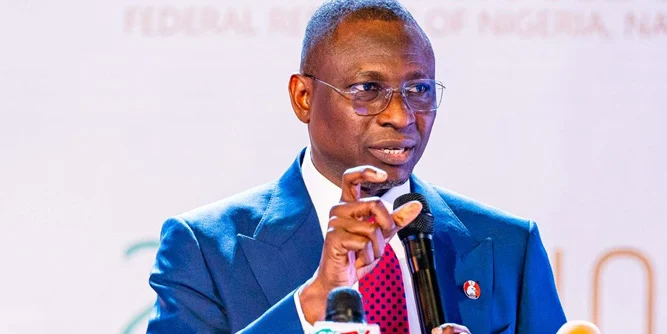
The Chairman of the Economic and Financial Crimes Commission, Ola Olukoyede, has urged pastors, imams and other religious leaders to intensify anti-corruption preaching in churches and mosques across Nigeria.
Olukoyede made the call on Wednesday in Abuja at the second 2026 Council Meeting of the Nigeria Inter-Religious Council and the launch of the Anti-Corruption Interfaith Manual for religious leaders.
He said religious institutions had an important role to play in preventing corruption by shaping the character and values of their followers.
According to him, the influence of faith communities could help address corrupt behaviour before it reaches the stage of investigation and prosecution by law enforcement agencies.
Olukoyede said the EFCC could investigate financial crimes and prosecute offenders, but religious leaders had the ability to influence the values and conscience of individuals through their teachings.
He urged pastors and imams to use their sermons to challenge the pursuit of wealth without regard to its source and to promote honesty, accountability and responsible conduct.
The EFCC chairman also stressed that corruption and financial crimes should not be viewed through religious or ethnic identities.
He said financial crime had no religion and corruption had no tribe, noting that the consequences of stolen public resources affect Nigerians regardless of their faith.
Olukoyede said Christians and Muslims both suffer when public funds are diverted, pointing to the effects on healthcare, infrastructure, employment and the wider economy.
He disclosed that the EFCC had been working with Christian and Muslim leaders through its interfaith framework to develop guidance on the role of religious institutions in the fight against corruption.
The newly launched manual contains teachings from Christianity and Islam on corruption and is designed to assist religious leaders in incorporating anti-corruption messages into their preaching and teaching.
The Executive Secretary of NIREC, Prof Cornelius Omonokhua, said the second edition of the manual was developed through the Interfaith Anti-Corruption Advisory Committee of the EFCC.
He said the manual and accompanying facilitators’ guides would help Christian and Muslim preachers communicate authentic religious teachings against corruption while promoting peaceful coexistence.
Omonokhua also called on the EFCC to take action against clerics who allegedly use places of worship to extort politicians or engage in political activities for personal gain.
The meeting was attended by senior Christian and Muslim leaders, including the President of the Christian Association of Nigeria, Rev Daniel Okoh, and the Sultan of Sokoto, Alhaji Sa’ad Abubakar.
Olukoyede said the fight against corruption required cooperation between government institutions, religious organisations and citizens, stressing that preventing corrupt practices was as important as prosecuting offenders.
Sponsored

Related stories
 News
News
Police Secure Conviction of 19 for Terrorism, Others in Kebbi
Kebbi Police say 19 people were convicted for terrorism, illegal firearms possession and vandalism after 17 months of investigation.
 News
News
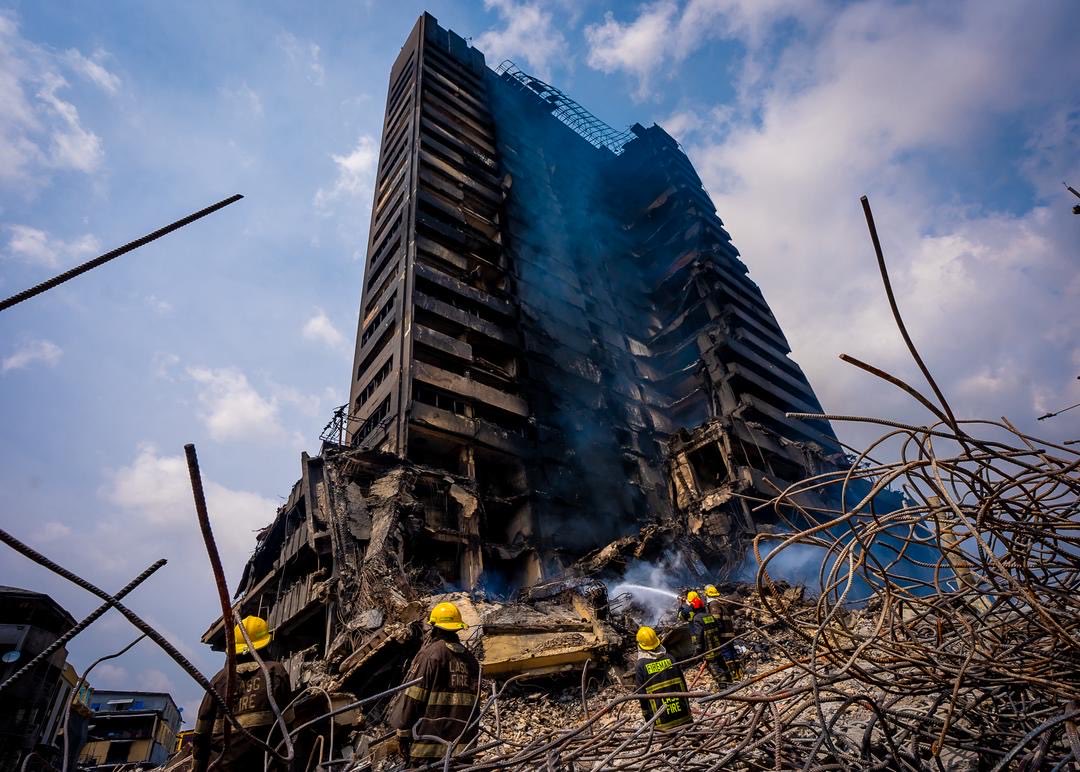
Lagos to Demolish GNI Building 10 Months After Fire
Lagos began controlled demolition of the fire-ravaged GNI building after structural checks found the 25-storey structure unsafe.
 News
News
Air Peace Cries Out as Fraudster Impersonates Staff to Dupe Passengers
Air Peace Cries Out as Fraudster Impersonates Staff to Dupe Passengers
 News
News
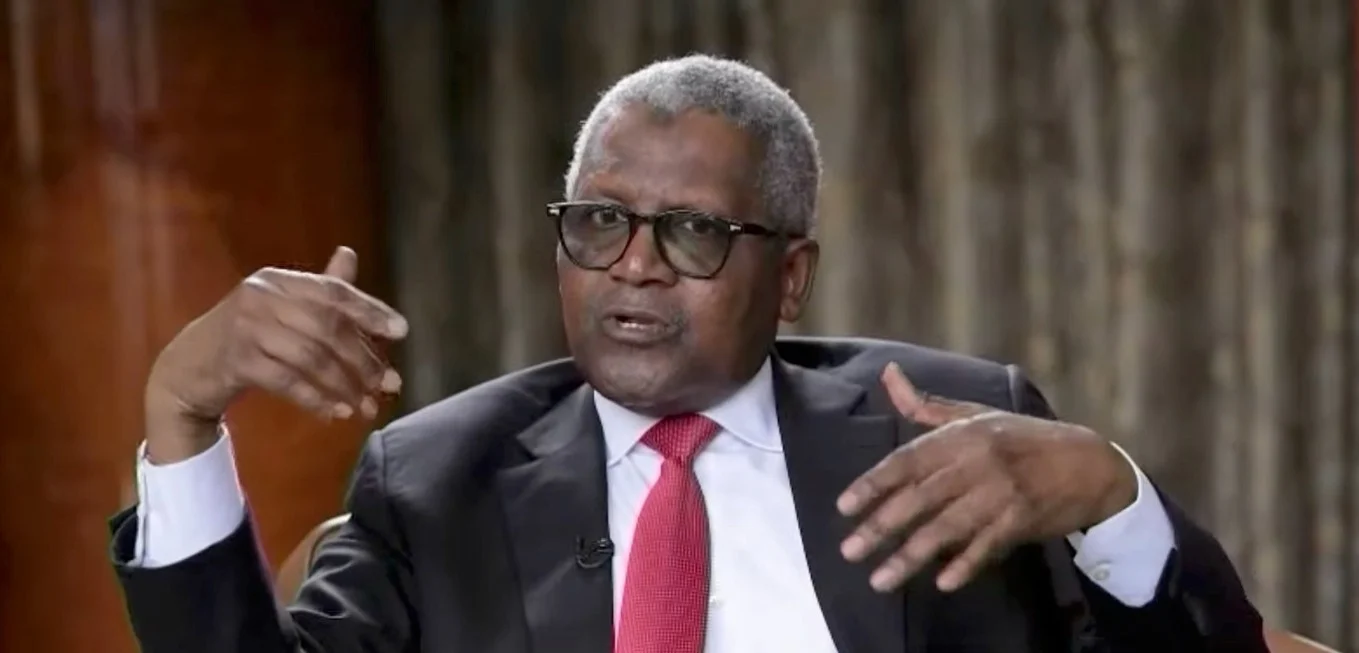
Dangote to Prioritise Investors with N50,000 or Below in Refinery IPO
Aliko Dangote says small investors subscribing with ₦50,000 or less will receive priority as the refinery seeks wider public ownership.
Comments (0)
Leave a comment
All comments are moderated before publishing. Your email is never published.