
EFCC Links Illegal Mining to Insecurity, Organised Crime, Vows to Target Financiers
The EFCC says it will target financiers, mineral buyers and compromised officials behind illegal mining, warning that the practice fuels insecurity and organised crime.
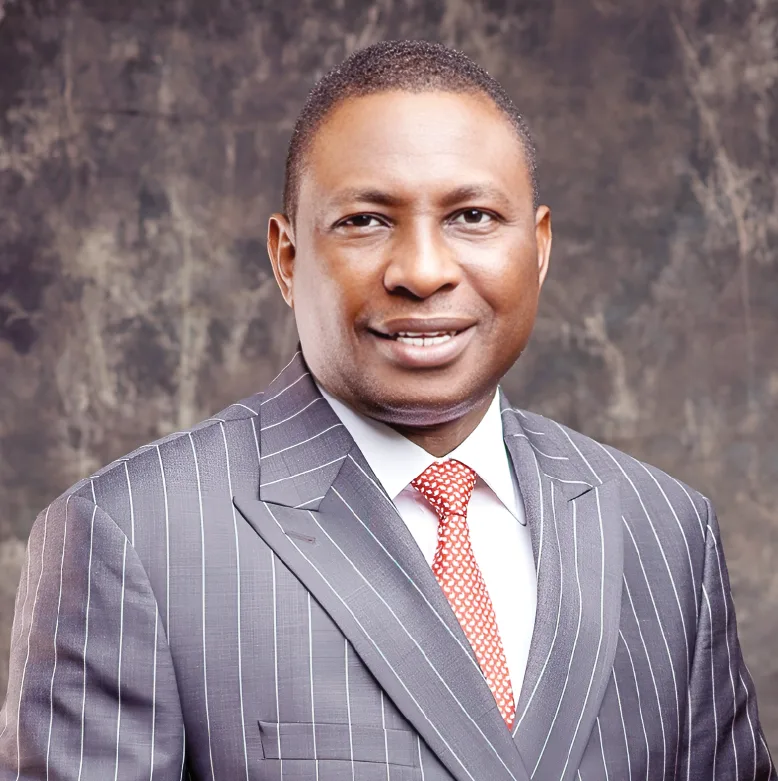
The Economic and Financial Crimes Commission (EFCC) has vowed to intensify its crackdown on illegal mining by targeting financiers, mineral buyers, compromised public officials and other individuals allegedly benefiting from the theft of Nigeria’s mineral resources.
EFCC Chairman, Ola Olukoyede, said illegal mining was sustained by sophisticated criminal networks involving local and international players, warning that arresting miners at excavation sites alone would not resolve the problem.
Olukoyede made the remarks on Tuesday, November 3, 2026, while delivering a keynote address at a public lecture and capacity-building workshop organised by the Michael Imoudu National Institute for Labour Studies and the Human and Environmental Development Agenda in Ilorin, Kwara State.
He explained that illegal mining involved multiple actors, including those who financed operations, transported minerals, facilitated documentation, purchased illegally extracted resources and provided protection for the activities.
According to him, the commission’s enforcement strategy would focus on dismantling these networks by tracing financial transactions, identifying beneficiaries and recovering assets linked to suspected criminal activities.
The EFCC chairman disclosed that the commission recorded 52 illegal mining cases between October 2023 and July 2026 and secured the forfeiture of 102 tonnes of solid minerals during the period.
He linked illegal mining to Nigeria’s security challenges, warning that unregulated mineral extraction and trading created opportunities for extortion, smuggling, violence and territorial disputes.
Olukoyede said criminal interests could take control of economic activities in communities, with consequences extending beyond lost government revenue to threats against public safety and local stability.
He also warned public officials against abusing their positions to facilitate illegal mining, manipulate licences or conceal proceeds from mineral theft, saying those implicated would face investigation and possible prosecution.
The EFCC chairman clarified that the commission was not responsible for issuing mining licences or regulating the mining sector. Rather, its role involved investigating suspected corruption, fraud, money laundering, illicit financial flows and proceeds of criminal activities.
He called for stronger cooperation among mining regulators, financial intelligence institutions, law enforcement agencies, customs authorities and revenue agencies to improve intelligence sharing and coordinated investigations.
Olukoyede also urged traditional rulers, community associations, youth groups, civil society organisations and local leaders to establish channels for reporting suspicious mining activities.
He reaffirmed the commission’s commitment to tracing illicit proceeds, recovering criminal assets and prosecuting suspects where sufficient evidence exists, stressing that Nigeria’s mineral wealth must benefit its citizens rather than criminal networks.
Sponsored

Related stories
 News
Senate Steps Down Barau’s Agricultural Revolution Bill
The Senate deferred consideration of the 2026 bill after lawmakers raised concerns about its drafting, broad scope and circulation of printed copies.
 News
‘Paying Salaries Is Your Duty, Not an Achievement’ — Natasha Akpoti Tackles Kogi Governor
Senator Natasha Akpoti-Uduaghan has criticised Governor Ahmed Usman Ododo over Kogi’s development record, arguing that paying workers’ salaries is a basic government responsibility.
 News
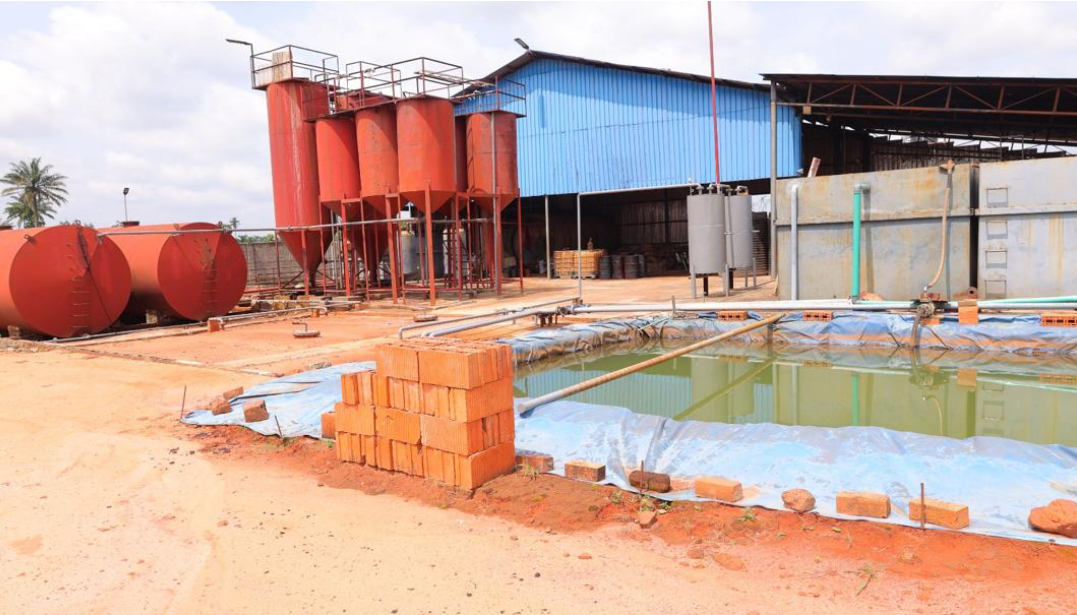
EFCC Uncovers ‘Chinese-Operated Illegal Refinery’ in Ogun
The EFCC says it has uncovered an illegal refinery allegedly operated by Chinese nationals in Ogun State, as investigations continue into the suspected operation.
 News
28 States Approve State Police Bill as NASS Moves to Transmit to Tinubu
The National Assembly says 28 state assemblies have approved the proposed State Police Bill, exceeding the constitutional threshold and paving the way for transmission to President Bola Tinubu for assent.
Comments (0)
Leave a comment
All comments are moderated before publishing. Your email is never published.