
Education in Nigeria is Becoming Increasingly Expensive for Families
Education costs in Nigeria are rising across all levels, with increased school fees, “service charges,” and living expenses making it harder for many families to afford schooling.
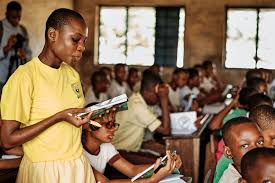
The cost of education in Nigeria continues to rise sharply, placing growing pressure on students and parents across all levels of learning, from primary schools to universities.
In recent years, public universities that were once considered relatively affordable have introduced higher “service” and administrative charges, alongside other levies that significantly increase the total cost of attendance. While tuition is often described as free in federal institutions, students now face a combination of fees that make education far more expensive than before.
State universities and private institutions have also adjusted their fees upward, largely due to rising operational costs, inflation, and reduced government funding support. Many schools argue that increases are necessary to maintain infrastructure, pay staff, and sustain basic academic services.
Beyond tuition, the wider cost of education has also surged. Students now spend more on transportation, accommodation, textbooks, internet access, and daily living expenses, all of which have been affected by inflation and the general rise in cost of living.
Some reports also highlight that these financial pressures are changing access patterns, with families either opting for less expensive institutions or struggling to keep students enrolled, especially at higher education levels.
Overall, education in Nigeria is increasingly being shaped by economic realities, where affordability is becoming a major factor influencing who can access and complete formal learning.
Sponsored
Related stories
 Tech & Education
AI Era: Experts Warn Nigerian Graduates Face Skills Gap
Education experts have warned that Nigerian universities risk producing graduates who are ill-prepared for an AI-driven global job market unless curricula are urgently overhauled. At the StudyIn Global Study Conference 2026 in Lagos, stakeholders called for proactive curriculum reform, ethical AI adoption, and a shift from producing AI users to nurturing AI innovators who can solve real-world problems.
 Tech & Education
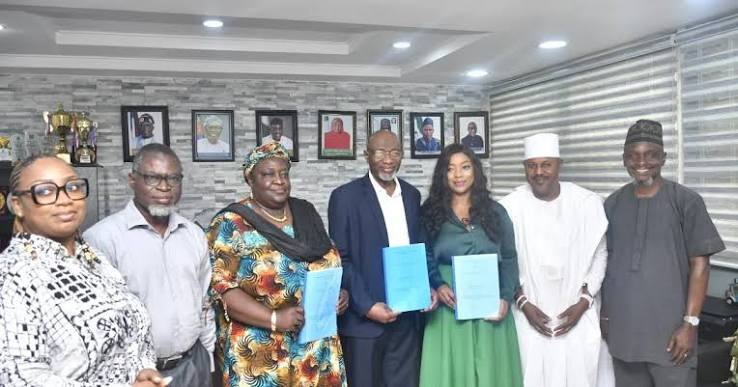
YABATECH, Threatremeter Launch Filmmaking Centre
Yaba College of Technology has signed a partnership with Threatremeter Nigeria Limited to establish a Centre for Filmmaking and Production, offering certified training in acting, directing and film production for students and the public.
 Tech & Education
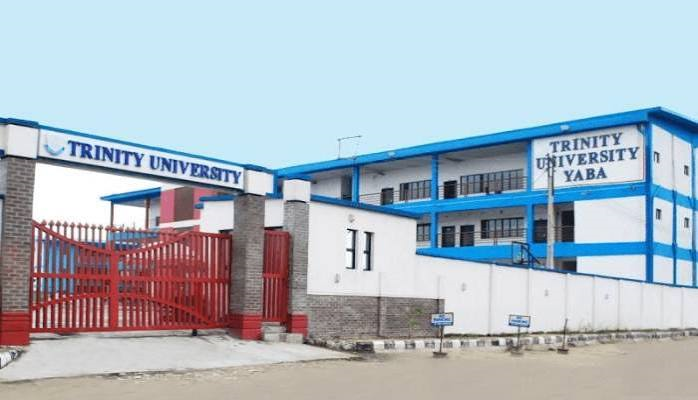
Trinity University Yaba Graduates 323, 79 First Class
Trinity University, Yaba, will confer degrees on 323 graduands at its fifth convocation on October 16, with 79 earning First Class honours and two finishing with a perfect 5.00 CGPA.
 Tech & Education
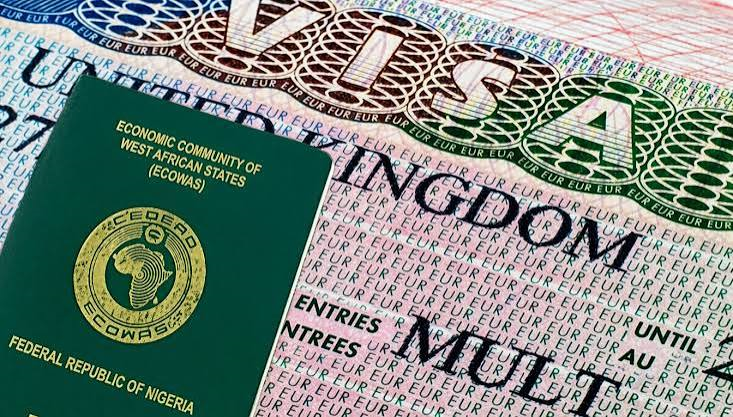
UK Visa Crackdown Hits Nigerian Students
Nigerian students are being forced to abandon their dreams of studying in the United Kingdom after universities began withdrawing admission offers en masse to avoid breaching a strict new 5 per cent visa refusal threshold. With study visa withdrawals among Nigerian applicants skyrocketing from 4.5 per cent to 22.7 per cent in the first half of 2026, thousands of prospective students now face an uncertain future—and some may be forced to leave the UK altogether.
Comments (0)
Leave a comment
All comments are moderated before publishing. Your email is never published.