
Ebola: WHO Says No Public Gathering Restrictions Advised for Nigeria
The World Health Organisation says it has not advised Nigeria to restrict public gatherings following an imported Ebola case, as health authorities continue monitoring 53 contacts.
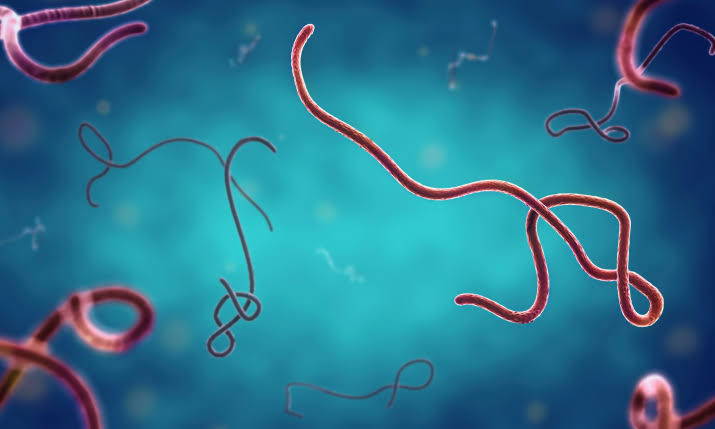
The World Health Organisation (WHO) has said it has not recommended restrictions on public gatherings in Nigeria following an Ebola case recorded in the country, urging authorities to maintain targeted public health measures and close monitoring of people exposed to the patient.
Dr Chikwe Ihekweazu, Executive Director of the WHO Health Emergencies Programme, gave the clarification during an interview on Arise Television on Wednesday, October 28.
Ihekweazu said Nigeria had responded appropriately to the case, highlighting the speed of laboratory confirmation, genetic sequencing and the implementation of public health measures.
He said the WHO had advised the government to put suitable response measures in place and commended the authorities for following the recommendations.
“We have not advised any restriction of further gatherings,” he said, adding that the organisation’s advice was based on technical public health assessments rather than political considerations.
The WHO official said 53 people who had contact with the patient remained under surveillance. Health authorities were expected to follow each contact daily during the monitoring period to identify any symptoms or evidence of further transmission.
According to Ihekweazu, contacts must be monitored for 21 days after their last exposure. Nigeria would then need to complete the applicable 42-day period without another case before it could be declared Ebola-free under the relevant protocols.
He explained that viral haemorrhagic fevers, including Ebola, require coordinated responses because even a single confirmed case can trigger an outbreak investigation and containment measures.
The patient was subsequently medically evacuated at the request of her country of origin. Ihekweazu stressed that the evacuation should not be interpreted as evidence that Nigeria lacked the capacity to manage the case.
He praised the speed and quality of Nigeria’s initial response and said the WHO would continue supporting the country’s health authorities.
Ebola is a serious infectious disease that can spread through direct contact with the blood or bodily fluids of an infected person or contaminated materials. Early detection, isolation, contact tracing and infection-prevention measures are central to limiting transmission.
Although the WHO has not advised a general restriction on gatherings, health authorities are expected to continue monitoring contacts and respond promptly if additional infections are detected.
The situation underscores the importance of following official health guidance, reporting symptoms promptly and avoiding the spread of unverified information.
The declaration of Nigeria as Ebola-free will depend on completing the required monitoring period without further cases, in line with established public health protocols.
Sponsored

Related stories
 News
‘My Visit Was About Nigeria’s Development’ — Obi Debunks US Congress Endorsement Claims
Peter Obi says his Washington engagements focused on Nigeria’s development and democracy, insisting he neither sought nor claimed an American endorsement.
 News
NLC, TUC Reconcile, Resolve to Cooperate for Workers’ Welfare
Nigeria’s two major labour centres have ended their public disagreement, pledging renewed unity and cooperation to protect workers’ rights and welfare.
 News
ICPC Opposes PFIPC Adeyemi’s Bail, Says ‘Fraud Victims’ May Attack Him Outside Custody
The ICPC has urged an Abuja court to deny Adeniyi Adeyemi bail, arguing that alleged fraud victims could physically attack him if released.
 News
US Commends Nigeria for Rescuing 125 Kidnap Victims, Dismantling Terrorist Camps
The United States has praised Nigerian troops for rescuing 125 abducted persons, dismantling terrorist camps, recovering weapons and clearing explosives.
Comments (0)
Leave a comment
All comments are moderated before publishing. Your email is never published.