
Ebola Patient in Nigeria Is Swiss Diplomat’s Wife — Report
Nigeria’s first confirmed Ebola patient in more than a decade is reportedly the Ugandan-born wife of a Swiss diplomat based in Abuja.
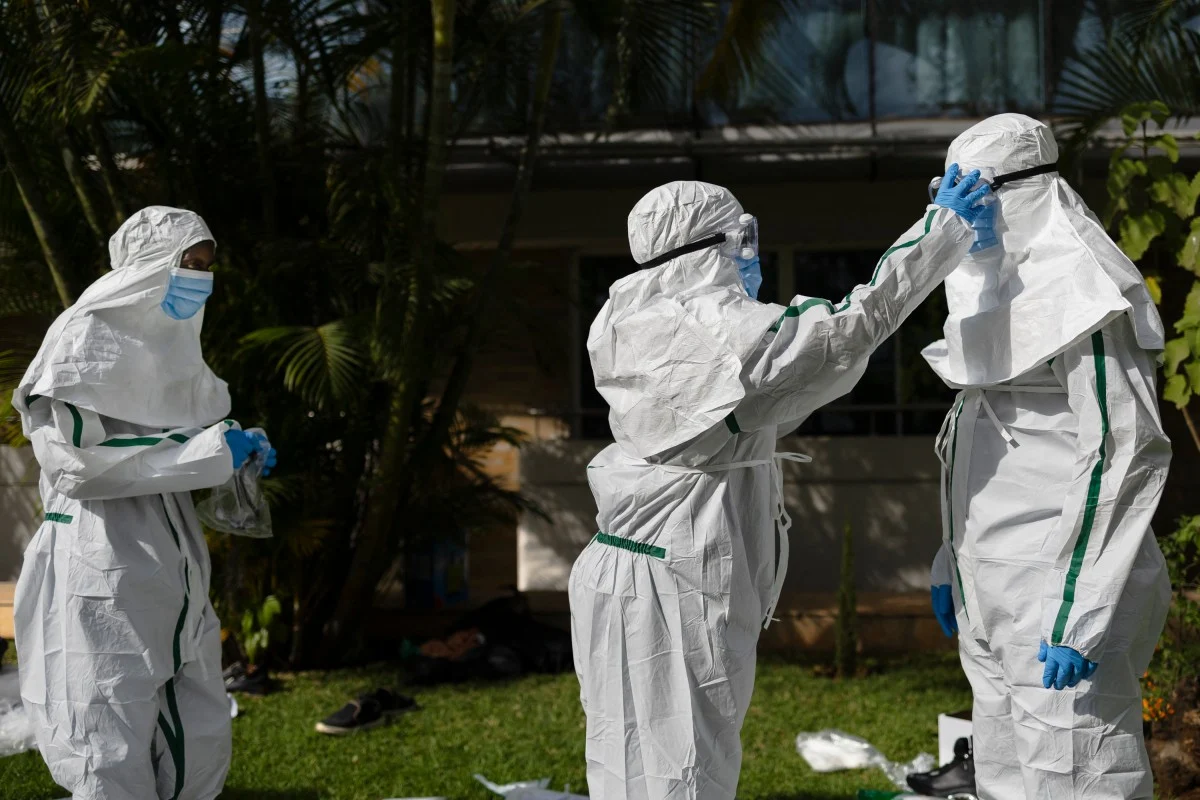
Nigeria’s confirmed Ebola patient is the Ugandan-born wife of a Swiss diplomat stationed in Abuja, according to reports citing Switzerland’s Federal Department of Foreign Affairs.
The Swiss government said the woman, identified as a Swiss national, was believed to have contracted the Bundibugyo strain of Ebola during a trip to Uganda. However, health authorities are still investigating the source of her infection.
According to reports, the woman returned to Nigeria on October 3 and developed symptoms several days later. She initially sought treatment at private medical facilities after believing she had malaria before her Ebola infection was confirmed through laboratory tests.
Her husband, who travelled with her, was reportedly placed in isolation but had not developed symptoms, according to Swiss officials.
The case was confirmed on October 20, marking Nigeria’s first confirmed Ebola infection in more than a decade. Nigerian health authorities have begun contact tracing to identify people who may have been exposed to the patient.
Officials have identified at least 44 contacts and are working with international health agencies to prevent further transmission.
There have been conflicting accounts of the woman’s travel history. Ugandan authorities initially said she had travelled to eastern Democratic Republic of the Congo (DRC) before passing through Uganda.
However, Switzerland’s government said on Friday that the woman and her husband had not travelled to the DRC. The World Health Organisation (WHO) and the Africa Centres for Disease Control and Prevention (Africa CDC) also said they had not received verified information confirming that she visited the country.
Investigators are examining the woman’s movements and possible exposure to determine where she contracted the virus. Authorities are also exploring whether her case could be connected to infections identified in Kenya, as both countries’ first reported patients travelled through Uganda around the same period.
The Bundibugyo strain is a rare type of Ebola virus. It spreads through direct contact with the bodily fluids of an infected person or contaminated materials.
Health authorities have urged Nigerians to remain vigilant, practise good hand hygiene and seek prompt medical attention if they develop symptoms after a possible exposure. They have also stressed the importance of cooperating with contact-tracing teams.
Sponsored
Related stories
 News
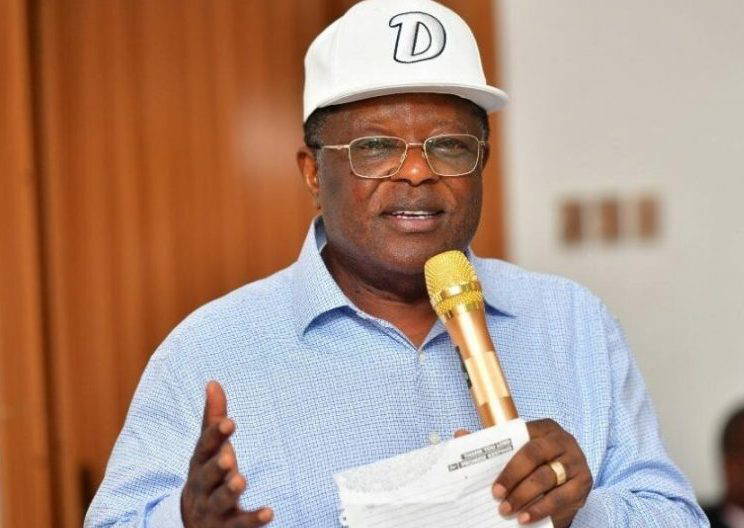
Lagos-Calabar Highway to Be Completed in Three Years — Umahi
Works Minister David Umahi says the Federal Government plans to complete the 750-kilometre Lagos-Calabar Coastal Highway within the next three years.
 News
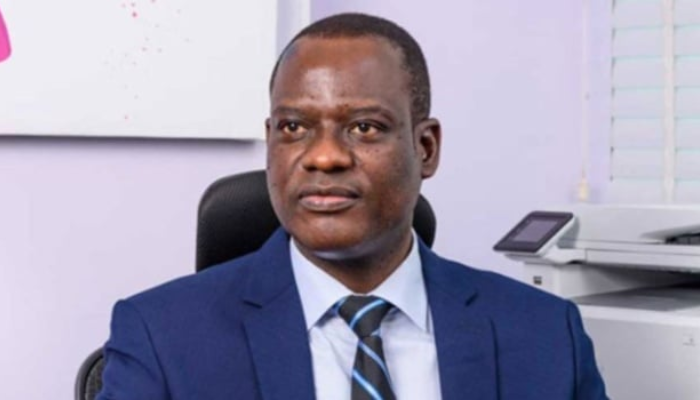
States Receive 85% of Nigeria’s Resources, FG Gets Only 15% — Taiwo Oyedele
Taiwo Oyedele says Nigeria’s fiscal structure directs most federally collected revenue to states and local governments, challenging perceptions about resource distribution.
 News
‘N10bn Ebola Fund Untouched’ — APC Campaign Council Replies Atiku
The APC campaign council says the ₦10 billion approved for Ebola preparedness remains unspent, as Atiku Abubakar demands financial transparency.
 News
NEC Endorses Finance Ministry’s 90-Day Plan to Improve Food Affordability, Attract Investment
The National Economic Council has endorsed a 90-day action plan aimed at easing food costs, strengthening investment and improving economic conditions.
Comments (0)
Leave a comment
All comments are moderated before publishing. Your email is never published.