
DSS DG Bans Operatives From Arresting People Over Civil Matters
DSS Director-General Oluwatosin Ajayi directs operatives to avoid arrests in civil disputes and pursue judicial remedies instead.
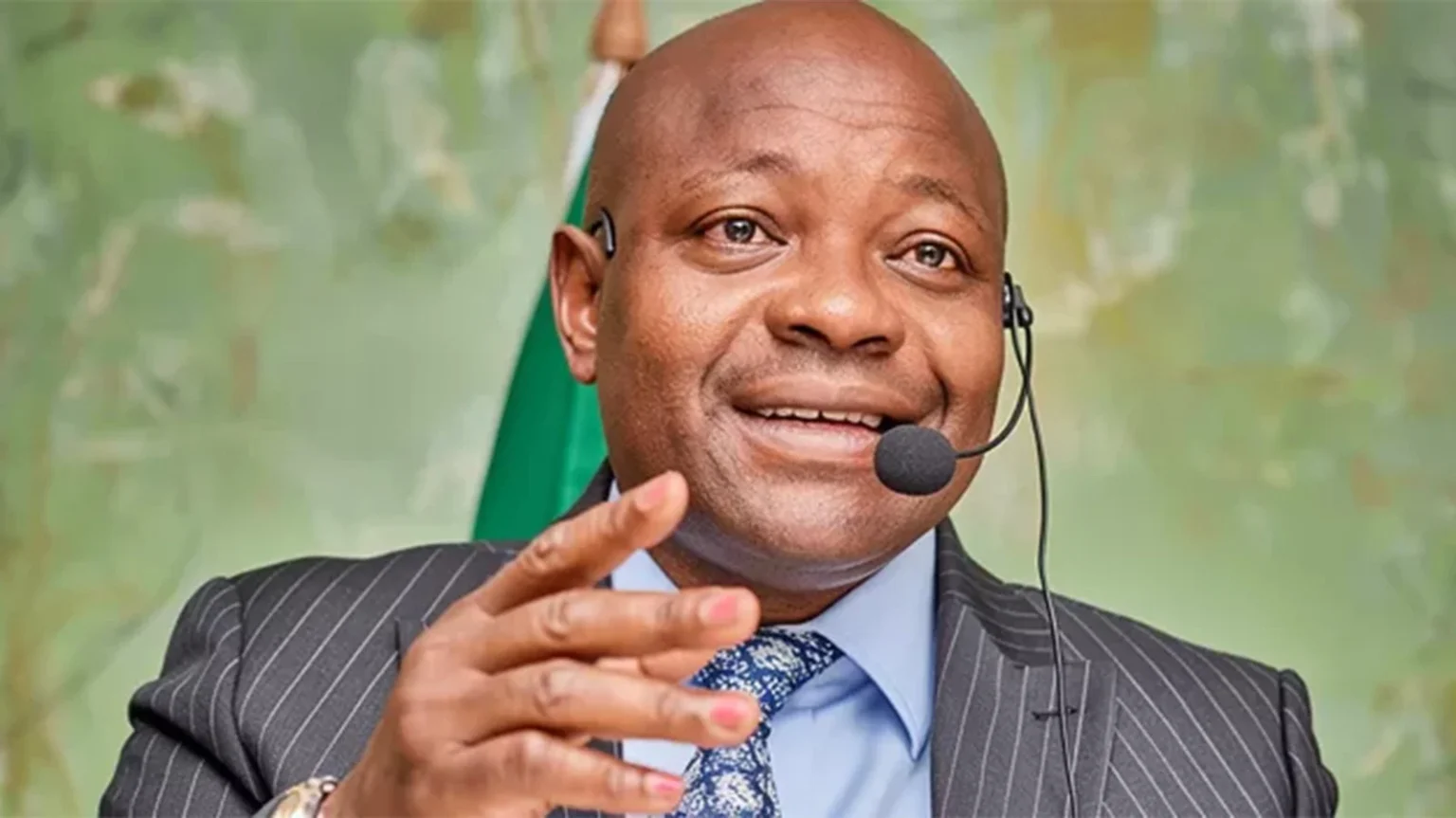
DSS Director-General Oluwatosin Ajayi directs operatives to avoid arrests in civil disputes and pursue judicial remedies instead.
The Director-General of the Department of State Services, Oluwatosin Ajayi, has directed operatives of the agency not to arrest anyone over matters that are purely civil.
Ajayi disclosed this during a media interview on Thursday, saying the directive was part of reforms aimed at strengthening respect for the rule of law and improving the DSS’s human rights record.
The DSS chief said reforms introduced since he assumed office had focused on five broad areas: law enforcement, inter-agency synergy, accountability, respect for human rights, and infrastructural and administrative improvements to enhance operational efficiency.
He explained that the reforms had helped the agency establish a clearer distinction between civil disputes and criminal offences, acknowledging that the DSS had previously sometimes conflated the two.
Ajayi stressed that coercive powers should not be used to settle civil disagreements, noting that even some criminal matters may not require force.
He cited the case involving political economist, Professor Pat Utomi, over allegations linked to an attempt to establish a “shadow government.” Ajayi said the DSS chose to seek judicial interpretation rather than arrest Utomi.
According to him, the court subsequently ruled that the alleged initiative was unconstitutional, illegal and a threat to national security.
The DSS director-general also referenced a dispute involving the Socio-Economic Rights and Accountability Project, SERAP, which had accused two DSS operatives of invading its premises.
Ajayi said SERAP approached the court with the agency’s approval and that no one was arrested during the process. He added that the court eventually awarded more than N100 million in damages in favour of SERAP.
The DSS chief said the same principle would apply to other civil disputes, including matters involving journalists.
He said the agency would prefer judicial intervention where necessary rather than using arrest powers in disputes that do not amount to criminal offences.
Ajayi described journalists as the DSS’s “professional colleagues,” explaining that both institutions have information-related responsibilities, although journalists inform the public while the DSS provides intelligence to government.
He said government-bound intelligence remains classified until the agency officially declassifies it.
The directive reflects the DSS leadership’s stated effort to strengthen accountability, professionalism and respect for human rights while ensuring that coercive powers are used only where legally justified.
Ajayi’s position could influence how disputes involving individuals, organisations and media practitioners are handled, particularly where no clear criminal offence has been established.
By directing operatives to pursue judicial remedies in civil cases, the DSS leadership is signalling greater reliance on due process and legal mechanisms rather than coercive enforcement.
Sponsored

Related stories
 News
DSS Arraigns Five Suspects Over Abduction of 20 Corps Members in Imo
Five suspects appeared in court over the October abduction of 20 NYSC members in Imo.
 News
Building a New Nigeria Through Collaboration, Unity and Shared Responsibility
GNA Executive Director Joins NIDO Chicagoland in Celebrating Nigeria at 66, Calls for Stronger Diaspora Collaboration and Grassroots Development
 News
Obi Denies Asking Nigerians Abroad to Abandon Families, Defends Diaspora Remarks
Nigeria Democratic Congress presidential candidate Peter Obi has denied asking Nigerians living abroad to stop supporting their families at home, saying his remarks were misrepresented by political opponents. He said his message focused on building an economy where Nigerians could meet their basic needs without depending on relatives overseas.
 News
UNICEF Donates 11,580 Cartons of Therapeutic Food to Gombe to Fight Malnutrition
The United Nations Children’s Fund has donated 11,580 cartons of Ready-to-Use Therapeutic Food to the Gombe State Government to support the treatment of children with severe acute malnutrition. The donation follows the state’s provision of ₦500 million in counterpart funding for nutrition interventions in 2025, matched by an equal contribution through the Child Nutrition Fund.
Comments (0)
Leave a comment
All comments are moderated before publishing. Your email is never published.