
COP31: Nigeria Won’t Sacrifice Development for Energy Transition — FG
Federal Government insists Nigeria’s shift towards cleaner energy must protect economic growth, energy security and industrialisation while advancing its net-zero commitment.
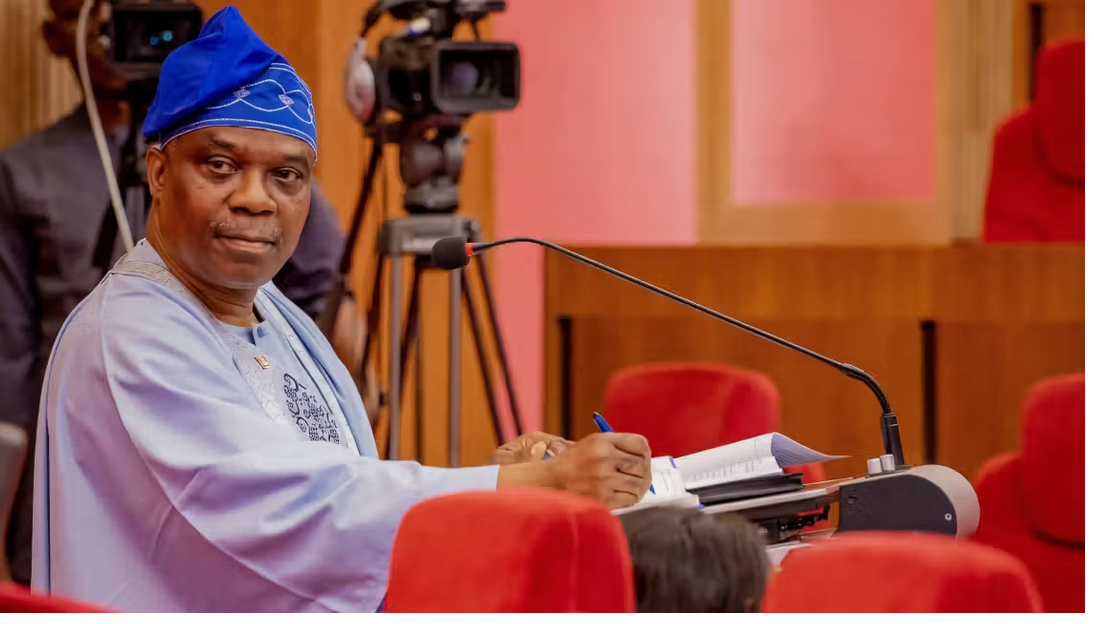
The Federal Government has reaffirmed Nigeria’s commitment to achieving net-zero emissions, insisting that the country will not sacrifice its economic development, energy security and industrialisation in pursuit of the global energy transition.
The Minister of State for Foreign Affairs, Ambassador Sola Enikanolaiye, stated this in an interview with The PUNCH on the sidelines of the 31st United Nations Climate Change Conference (COP31) in Antalya, Türkiye.
Enikanolaiye said Nigeria supported the transition towards cleaner energy but maintained that the process must reflect the country’s economic realities, development priorities and available resources.
He explained that petroleum resources remained important to Nigeria’s economy and would be needed to generate revenue for financing the transition to alternative energy sources.
“Our position is very clear. We need fossil fuels to even fund the transition to other alternative sources of energy. So we cannot jump into a transition plan that does not address our national development aspirations and objectives,” he said.
The minister stressed that Nigeria was advocating a just, equitable and sustainable transition that would not undermine its economic growth or energy security.
He also warned against international arrangements that impose energy policies on developing countries without considering their different stages of development.
Enikanolaiye spoke following the announcement of a new Energy Security and Transition Partnership between Nigeria and the United Kingdom. The agreement, formalised through a non-binding Memorandum of Understanding, is expected to strengthen cooperation on energy security, methane reduction and the development of cleaner energy systems.
Under the partnership, both countries will collaborate on improved methane monitoring, reporting and verification, leak detection and repair, as well as reducing gas flaring and venting across the oil and gas, agricultural and waste sectors.
The minister said Nigeria expected international partners to support its transition through climate financing, infrastructure development and technology transfer rather than simply demanding an immediate departure from fossil fuels.
He also highlighted the Federal Government’s compressed natural gas programme and the contribution of the Dangote Petroleum Refinery to petroleum supply within Nigeria and the wider African market.
Enikanolaiye reiterated that Nigeria remained committed to achieving net-zero emissions but said the transition must be gradual and aligned with national interests.
He maintained that the country would continue engaging international partners while ensuring that decisions on its energy future remained guided by its development objectives.
Sponsored

Related stories
 News
Only 14 Nigerian States Pay Pensions Regularly — PenCom Discloses
PenCom says only 14 of Nigeria’s 36 states meet regular pension payment obligations, raising concerns over retirees’ welfare and outstanding benefits.
 News
Nigeria’s Inflation Rate Drops to 14.06% in October — NBS
Nigeria’s headline inflation eased to 14.06 per cent in October from 14.63 per cent in September, as food inflation also declined.
 News
UniAbuja Land Reduction Approved by Wike’s Predecessor — FCTA
FCTA says former minister Mohammed Bello approved the recommendation to reduce UniAbuja’s land, insisting Wike implemented an earlier decision.
 News
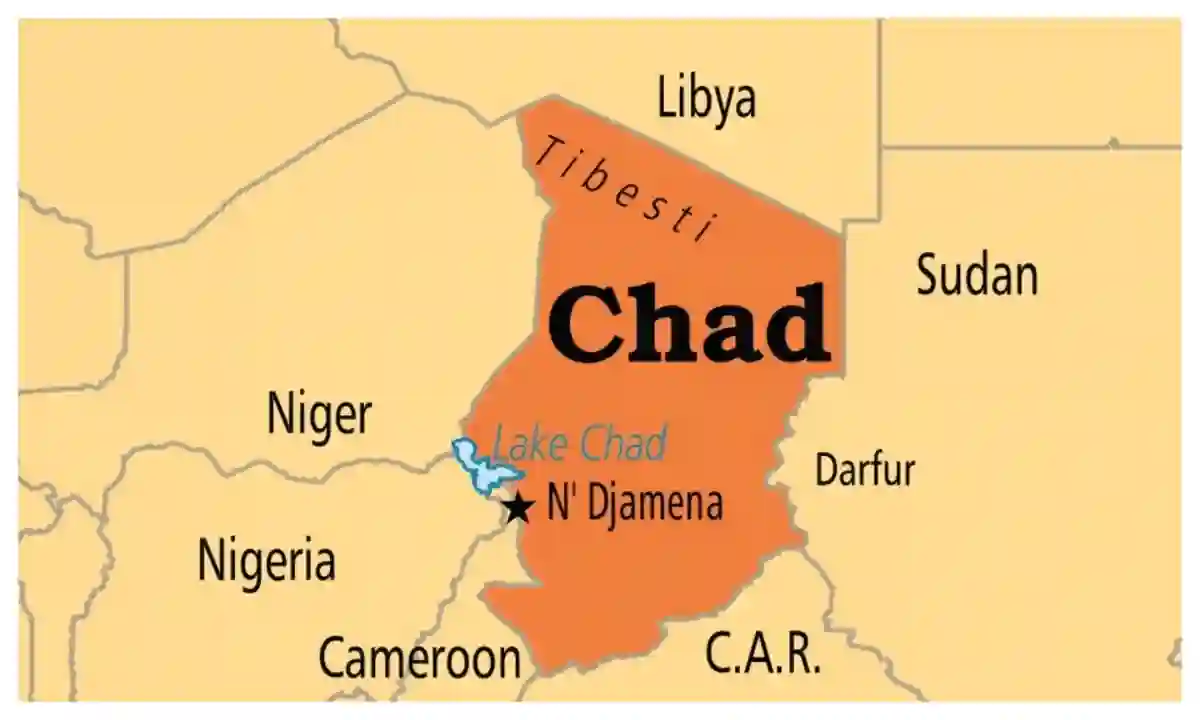
Two Killed, 30 Inmates Escape in Chad Prison Break
Two people have been killed and three seriously injured after 30 inmates escaped from a prison in Mongo, central Chad, amid widespread destruction.
Comments (0)
Leave a comment
All comments are moderated before publishing. Your email is never published.