
COP31 Draft Proposes $120bn Annual Climate Adaptation Finance by 2035
The COP31 Presidency has proposed increasing annual climate adaptation finance for developing countries to at least $120 billion by 2035, as vulnerable nations demand greater financial support to address climate change.
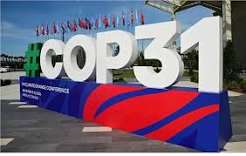
The Presidency of the 31st United Nations Climate Change Conference (COP31) has proposed raising annual climate adaptation finance for developing countries to at least $120 billion by 2035.
The proposal is contained in an 18-page draft decision released on Monday in Antalya, Türkiye, as negotiations entered their second week ahead of the conference's scheduled conclusion on November 20.
The document outlines proposed actions covering climate finance, loss and damage, fossil fuels, electricity access, methane emissions, food systems, healthcare resilience, ocean protection and climate-related trade restrictions.
However, the draft remains a negotiating proposal and has not been adopted by participating countries.
On climate finance, the COP31 Presidency called on developed countries to increase their collective financial support to developing nations, proposing that adaptation funding should reach at least $120 billion annually by 2035.
The proposal seeks to advance the commitment made at COP30 in Belém, Brazil, to triple adaptation finance by 2035, while introducing a clearer pathway for measuring and monitoring progress.
According to the 2026 United Nations Environment Programme (UNEP) Adaptation Gap Report, developing countries will require approximately $305 billion annually by 2035 to meet their climate adaptation needs.
However, international public adaptation finance from developed countries stood at between $28 billion and $32 billion in 2024, highlighting the significant funding gap confronting vulnerable nations.
The draft acknowledged that even tripling adaptation finance by 2035 would cover no more than 29 per cent of estimated requirements.
It also recognised the financial challenges facing developing countries, including high borrowing costs, limited fiscal space, unsustainable debt and complicated procedures for accessing international climate funds.
To address these challenges, the Presidency proposed establishing a baseline for measuring climate finance, alongside time-bound implementation milestones, monitoring, reporting and review mechanisms.
It also proposed the Antalya-to-Addis Ababa Roadmap on Adaptation and Resilience Finance to identify predictable public funding sources for climate adaptation and loss and damage.
A report outlining the roadmap's findings is expected to be presented for consideration at COP32 in 2027.
Mohamed Adow, Director of Power Shift Africa, welcomed the inclusion of the $120 billion proposal but warned that the final agreement must guarantee actual delivery of the funding.
He said the proposed target and roadmap would demonstrate progress if retained in the final negotiating text, but stressed that financial promises must translate into resources capable of protecting vulnerable communities.
The draft also raised concerns about the funding available to countries already experiencing severe climate-related losses and damage.
It noted that requests under the Barbados Implementation Modalities for the Fund for Responding to Loss and Damage amounted to approximately $342 million, while only half of the $822 million pledged to the fund had reportedly been converted into contributions.
The Presidency urged developed countries to announce ambitious financial pledges to the Loss and Damage Fund and other climate financing mechanisms by the end of 2027.
Beyond adaptation funding, the document proposed accelerated action to transition away from fossil fuels in energy systems, in line with the outcome of the first Global Stocktake.
It also called for efforts to increase electricity's share of total final energy consumption to 35 per cent by 2035, supported by expanded renewable energy capacity, improved energy efficiency, electricity storage and resilient power grids.
The proposals further addressed methane emissions, advocating improved monitoring, leak detection and the elimination of routine gas flaring and venting.
However, the draft attracted criticism over its limited provisions for agricultural and food systems, with advocates expressing concern about the absence of specific measures addressing agricultural methane emissions.
The proposed climate finance target and other measures remain subject to negotiations, with participating countries expected to determine the final commitments before the conference concludes.
Sponsored

Related stories
 News
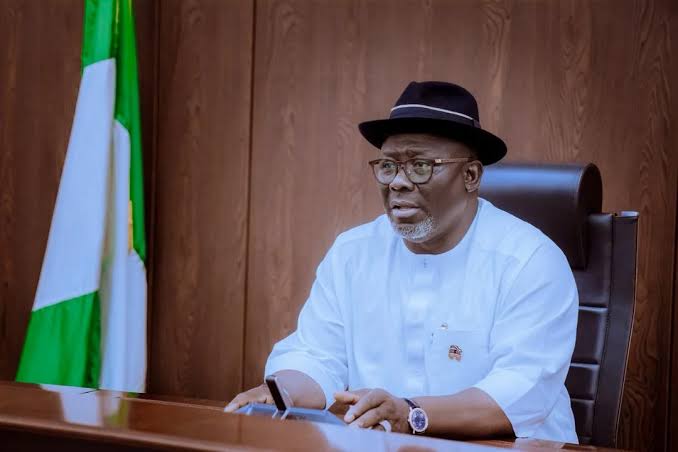
Delta Governor Backs CAN Prayer Retreat Centre Project
Delta State Governor Sheriff Oborevwori has pledged government support for the proposed Christian Association of Nigeria (CAN) Prayer Retreat Centre, promising to work with the Christian community to secure suitable land for the project.
 News
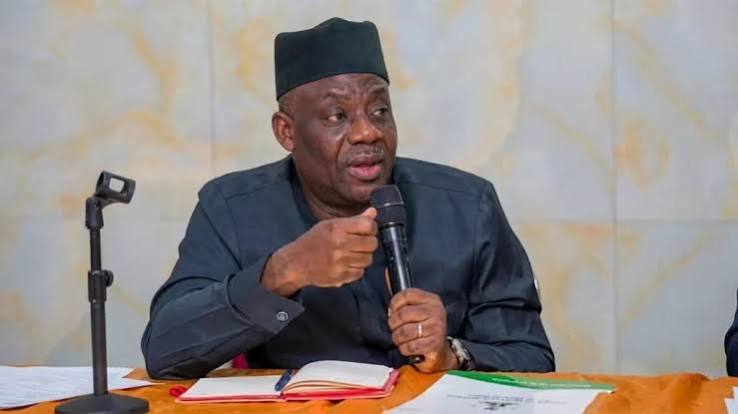
Nigeria Cannot Afford to Ignore Technology in Education, Says Minister
Minister of Education, Tunji Alausa, has urged Nigeria to embrace technology in education, warning that the country cannot continue relying on manual teaching and learning methods amid widespread learning difficulties and inadequate access to qualified teachers.
 News
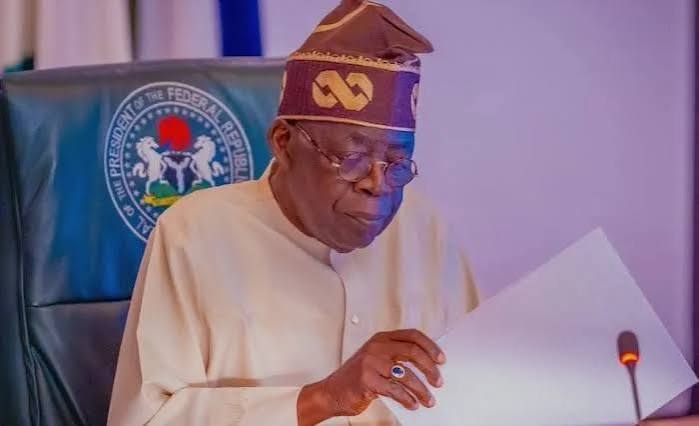
Tinubu Approves Take-Off of Kebbi Inland Dry Port
President Bola Tinubu has approved the establishment of an inland dry port in Kebbi State to strengthen trade, improve cargo handling and stimulate economic activities across the North-West region.
 News
NDC Urges Opposition Parties, Nigerians to Scrutinise INEC Voter Register
The Nigeria Democratic Congress (NDC) has urged opposition parties, civil society organisations and Nigerians to scrutinise the Independent National Electoral Commission's preliminary voter register ahead of the 2027 general elections, citing unexplained increases in registered voters in parts of the country.
Comments (0)
Leave a comment
All comments are moderated before publishing. Your email is never published.