
Child Soldier: US Threatens to Cut Military Aid to Nigeria
US listing cites child recruitment by Boko Haram and ISWAP, threatening restrictions on military assistance.
The United States has placed Nigeria on its Child Soldiers Prevention Act blacklist, a move that could restrict military training, financing and weapons sales unless President Donald Trump grants a waiver.
The designation was highlighted in the US State Department’s 2026 Trafficking in Persons Report, published on October 11. The report covers the period from April 1, 2025, to March 31, 2026.
According to the report, Boko Haram and the Islamic State West Africa Province (ISWAP) continue to recruit, abduct and use children in armed conflict in Nigeria and neighbouring countries.
The children are reportedly used in various roles, including as messengers, spies, porters, guards and combatants. Some are also forced to participate in suicide bombings and subjected to physical and sexual abuse.
Nigeria was listed alongside 13 other countries accused of recruiting or using child soldiers. The designation could trigger restrictions on International Military Education and Training, Foreign Military Financing, excess defence articles and certain peacekeeping assistance. It could also affect licences for direct commercial sales of military equipment.
The restrictions are subject to a presidential waiver and other exceptions under US law. The development comes as Nigeria and the United States continue security cooperation, including efforts to combat terrorism in the North-East.
Beyond the child-soldier concerns, the report criticised Nigeria’s broader response to human trafficking, saying the country had failed to meet the minimum standards for eliminating trafficking for the 15th consecutive year.
It also raised concerns about alleged official complicity in trafficking crimes and the decline in the number of victims receiving government-supported assistance, from 2,058 in the previous reporting period to 675.
The report acknowledged some progress, including increased government spending on victim services and prevention, investigations into trafficking cases and cooperation with international partners.
The findings place renewed attention on Nigeria’s efforts to protect children from armed groups, strengthen anti-trafficking enforcement and improve support for victims.
The potential restrictions could affect aspects of military cooperation between Washington and Abuja, although the extent of any impact will depend on the application of the law and whether a presidential waiver is granted.
Sponsored

Related stories
 News
News
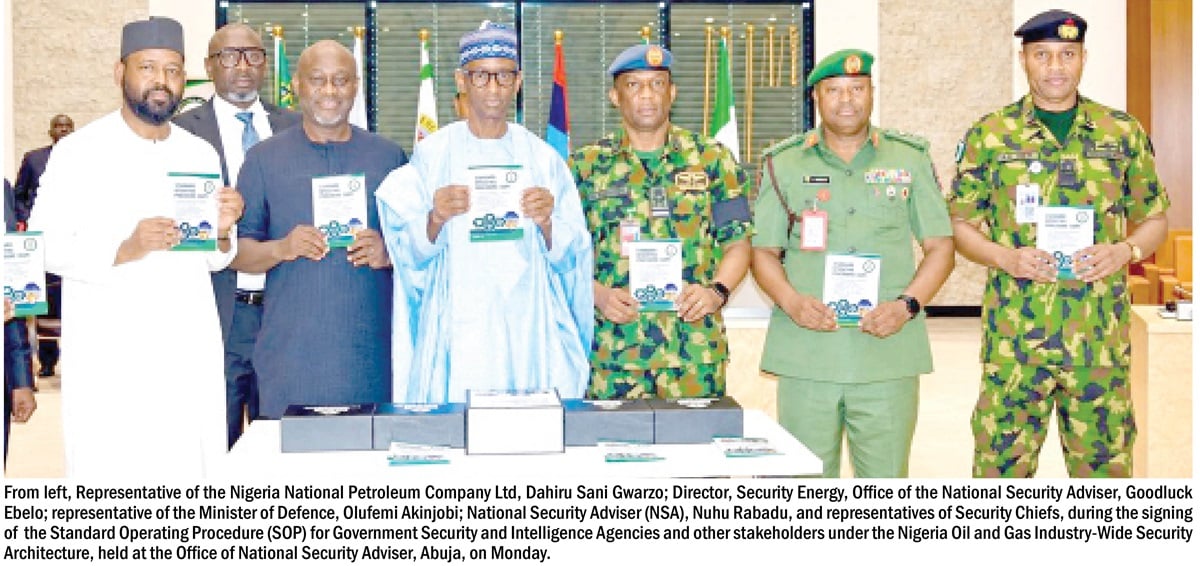
NSA Unveils New Security Framework to Tackle Oil Theft, Pipeline Vandalism
Nuhu Ribadu unveils standard procedures to coordinate security agencies and contractors, protect oil infrastructure and curb crude theft.
 News
News
IMF Warns Poverty Risks Persist Despite Nigeria’s Economic Stability
The IMF warns that rising food and energy prices continue to threaten vulnerable Nigerians despite improving economic stability and growth.
 News
News
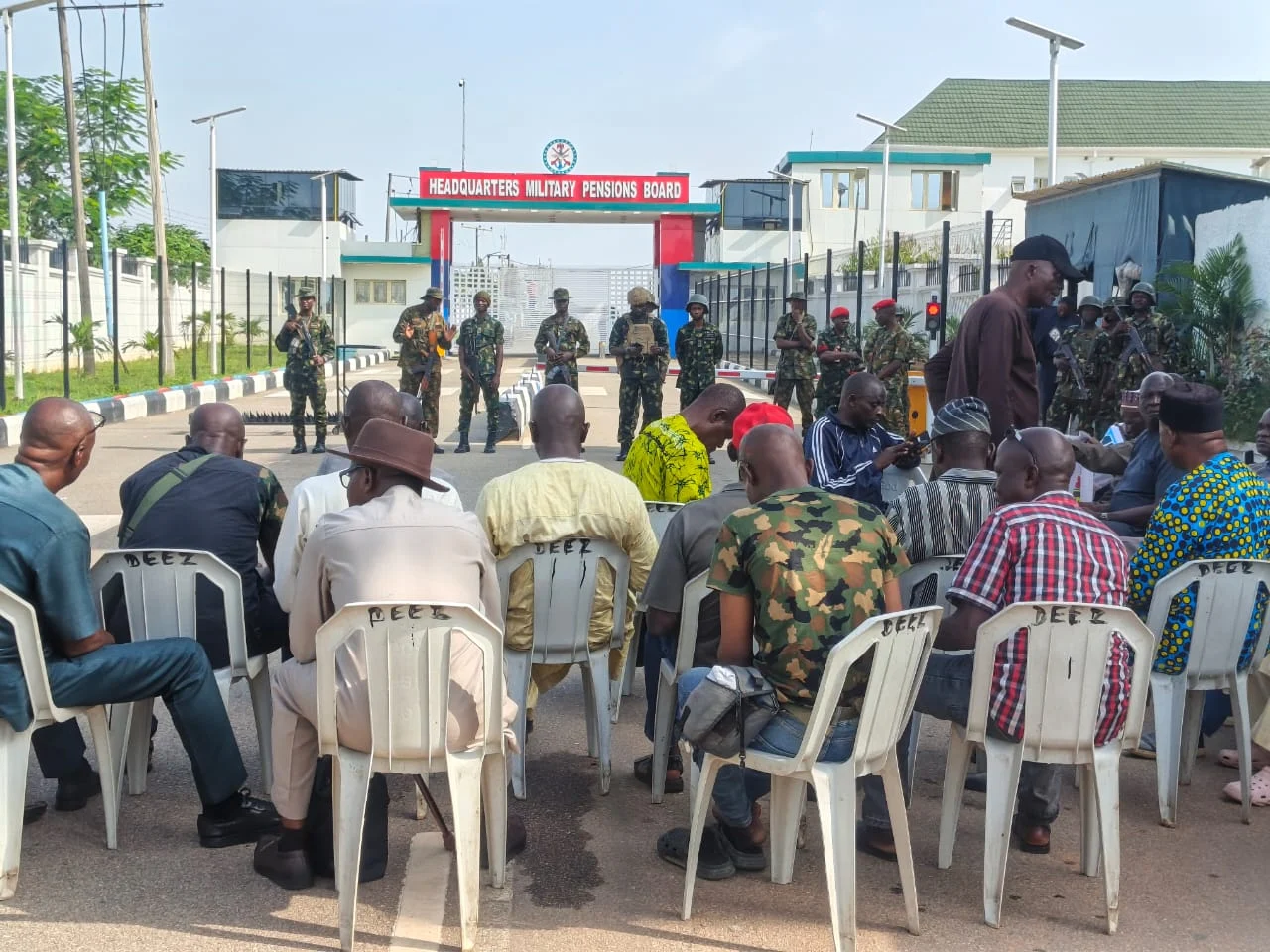
Military Veterans Block Pensions Board Entrance, Demand Fair Adjustment
Retired military personnel in Abuja protest pension calculations, demanding a fair review of adjustments linked to salary increases.
 News
News
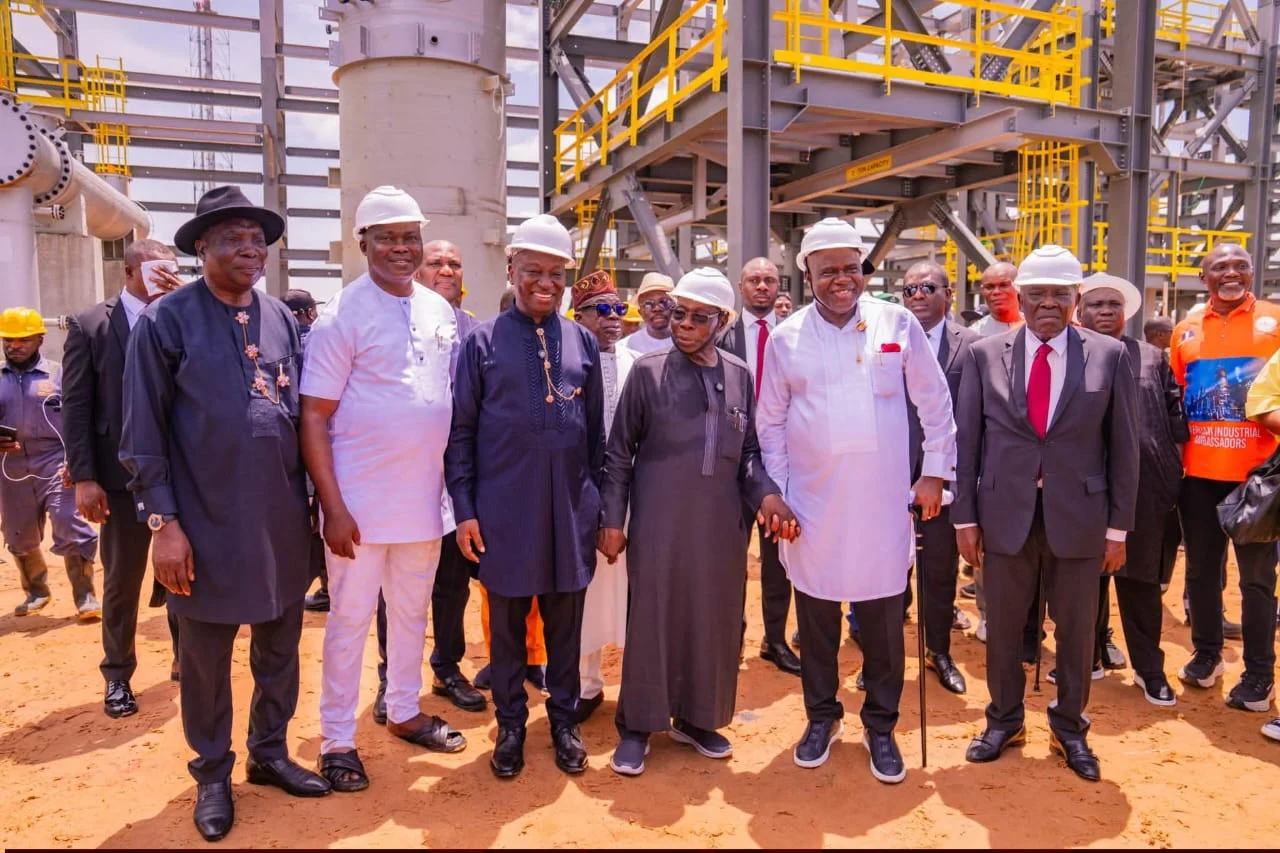
Obasanjo, Diri Demand More Oil Revenue for Niger Delta
Obasanjo and Diri call for a review of the 13 per cent derivation allocation, arguing oil-producing communities deserve greater benefits.
Comments (0)
Leave a comment
All comments are moderated before publishing. Your email is never published.