
Cash Outside Nigerian Banks Rises to ₦4.92tn in September — CBN
Cash held outside Nigerian banks rose to ₦4.92 trillion in September, up ₦48.73 billion from August, according to CBN data.
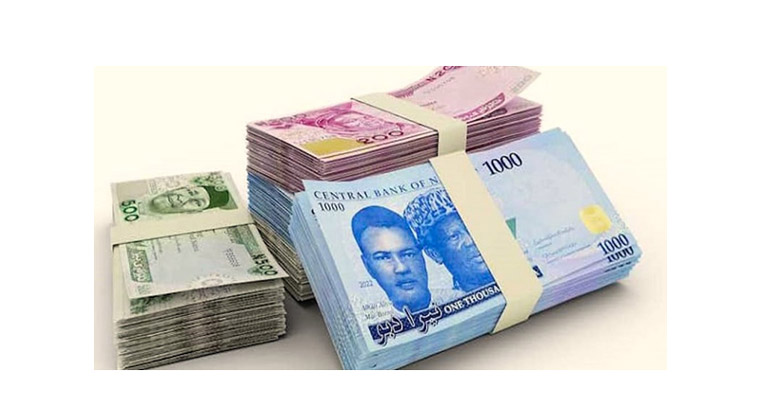
Cash held outside Nigeria’s banking system increased to ₦4.92 trillion in September 2026, reflecting a renewed rise in physical currency holdings, according to the latest data from the Central Bank of Nigeria (CBN).
The figure represents an increase of ₦48.73 billion, or approximately one per cent, from the ₦4.87 trillion recorded in August.
The CBN’s Money and Credit Statistics, published on Wednesday, also showed that Nigeria’s broad money supply rose to ₦146.6 trillion in September, up from ₦139.09 trillion in August.
The increase of ₦7.51 trillion represents monthly growth of approximately 5.4 per cent, indicating an expansion in the total stock of money circulating within the economy and the banking system.
Narrow money, which includes physical currency and highly liquid deposits, also increased to ₦44.05 trillion in September from ₦43.11 trillion in the preceding month.
On a year-on-year basis, currency held outside banks rose by approximately 10.3 per cent from ₦4.47 trillion in September 2025.
The latest increase follows a period of decline during the middle of 2026. Cash outside banks fell from ₦5.19 trillion in May to ₦4.92 trillion in June and further to ₦4.80 trillion in July before rising again in August and September.
Currency outside banks refers to physical cash held by individuals and businesses rather than within deposit money banks. It does not include money held in bank accounts or other electronic payment balances.
The figures come as the CBN continues efforts to deepen financial inclusion and encourage electronic payments through mobile banking, point-of-sale terminals and other digital financial services.
Under its Nigeria Payments System Vision 2028, the apex bank has outlined plans to reduce the proportion of currency held outside banks while expanding access to formal financial services.
However, cash remains important to many Nigerians, particularly informal traders, small businesses and residents of areas with limited access to banking infrastructure or reliable digital payment services.
The rise in cash holdings does not, by itself, establish that electronic transactions are declining. Physical cash holdings and digital payments can increase simultaneously as economic activity and demand for money change.
The September figures also show that broad money supply continued to expand, although the implications for inflation and economic activity will depend on factors including credit conditions, the availability of goods and services, and the pace of demand across the economy.
Sponsored

Related stories
 News
Atiku Asks Tinubu to Account for ₦10bn Ebola Preparedness Fund
Former Vice-President Atiku Abubakar demands a public audit of the ₦10 billion approved for Ebola preparedness, citing concerns over Nigeria’s response to a confirmed case in Abuja.
 News
Cardoso Puts Nigerian Markets at Centre of Deeper Investment Ties With China
CBN Governor Olayemi Cardoso highlights Nigeria’s financial markets as a key channel for strengthening investment ties with China and attracting long-term capital.
 News
APC Scribe, Sowore Clash Over Aso Villa Campaign Inauguration Plan
APC National Secretary Ajibola Basiru dismisses Sowore’s request to use Aso Villa for his campaign inauguration, describing it as a political stunt.
 News
Oyo Assembly Approves ₦100bn Loan for Infrastructure Projects
Oyo lawmakers approve a ₦100 billion UBA loan for infrastructure projects, alongside a separate ₦300 billion refinancing arrangement.
Comments (0)
Leave a comment
All comments are moderated before publishing. Your email is never published.