
Cardoso Puts Nigerian Markets at Centre of Deeper Investment Ties With China
CBN Governor Olayemi Cardoso highlights Nigeria’s financial markets as a key channel for strengthening investment ties with China and attracting long-term capital.
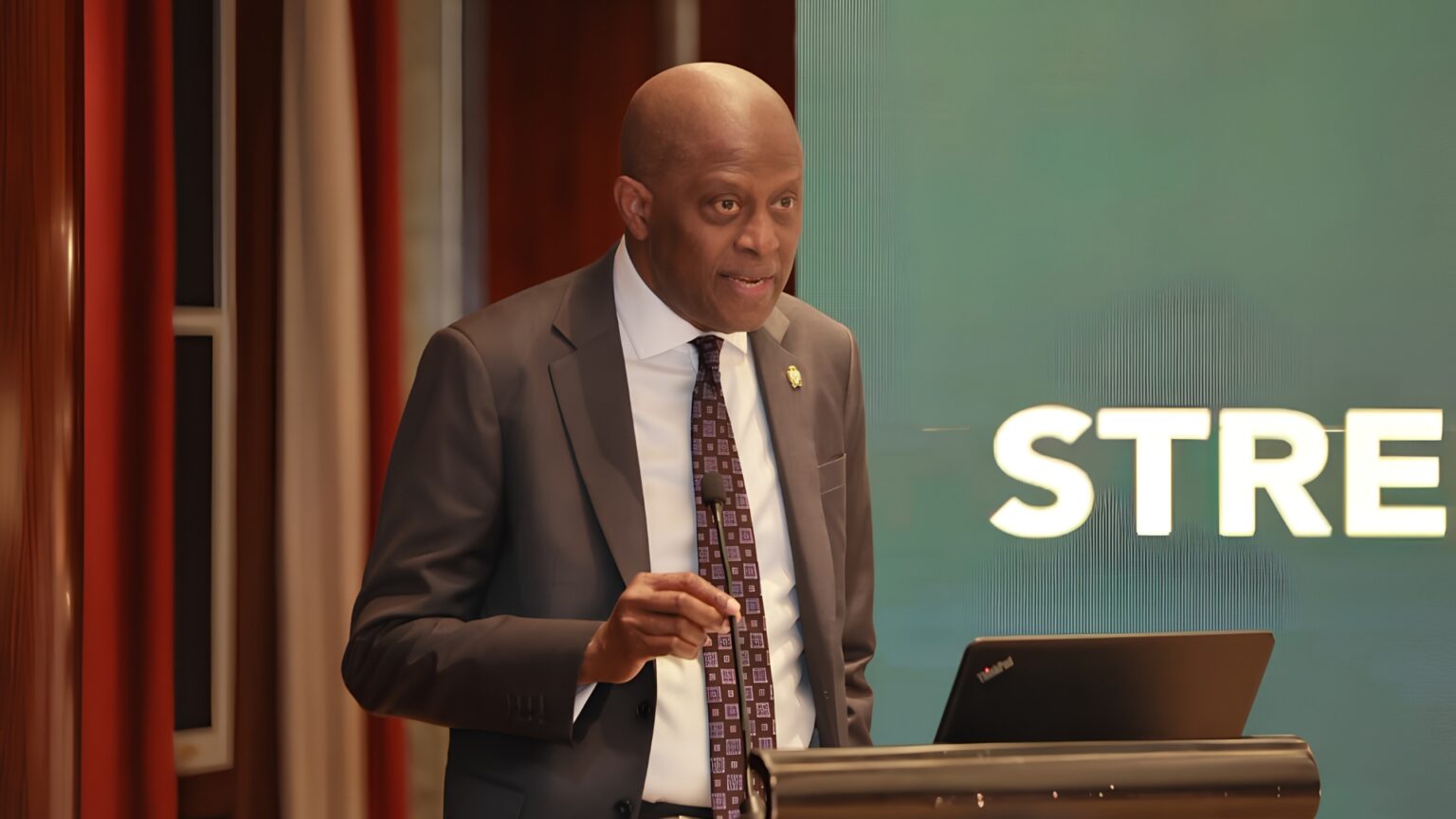
Central Bank of Nigeria (CBN) Governor Olayemi Cardoso has highlighted the role of Nigeria’s financial markets in strengthening economic cooperation with China, as both countries explore opportunities to deepen investment and commercial ties.
Cardoso’s position places Nigeria’s capital markets, financial institutions and investment infrastructure at the centre of efforts to mobilise long-term financing and expand economic engagement between the two countries.
China remains an important partner for Nigeria in trade, infrastructure development, manufacturing and technology. Strengthening investment links could provide opportunities for Nigerian businesses to access financing, equipment and expertise while creating channels for Chinese investors to participate in the country’s economy.
For Nigeria, attracting sustainable investment remains important to expanding productive capacity, supporting businesses and diversifying sources of economic growth beyond oil.
The CBN has pursued monetary and financial-sector reforms aimed at improving market confidence, strengthening price stability and creating conditions that support investment. A more predictable macroeconomic environment is also important to investors assessing currency risks, financing costs and expected returns.
Deeper financial cooperation could involve greater engagement between Nigerian and Chinese financial institutions, improved access to investment instruments and expanded opportunities for businesses seeking capital for productive projects.
However, translating stronger bilateral relations into investment outcomes will depend on investor confidence, regulatory clarity, currency stability and the availability of commercially viable projects.
Nigeria would also need to ensure that investment partnerships support domestic economic priorities, including job creation, industrial development, technology transfer and increased local production.
The emphasis on financial markets reflects the broader role of capital mobilisation in economic development. Beyond trade in goods, investment partnerships can support businesses and infrastructure projects that require long-term financing.
Further details of specific investment commitments, agreements or projects linked to Cardoso’s remarks would be needed to assess the immediate financial implications of the proposed closer ties.
Sponsored

Related stories
 News
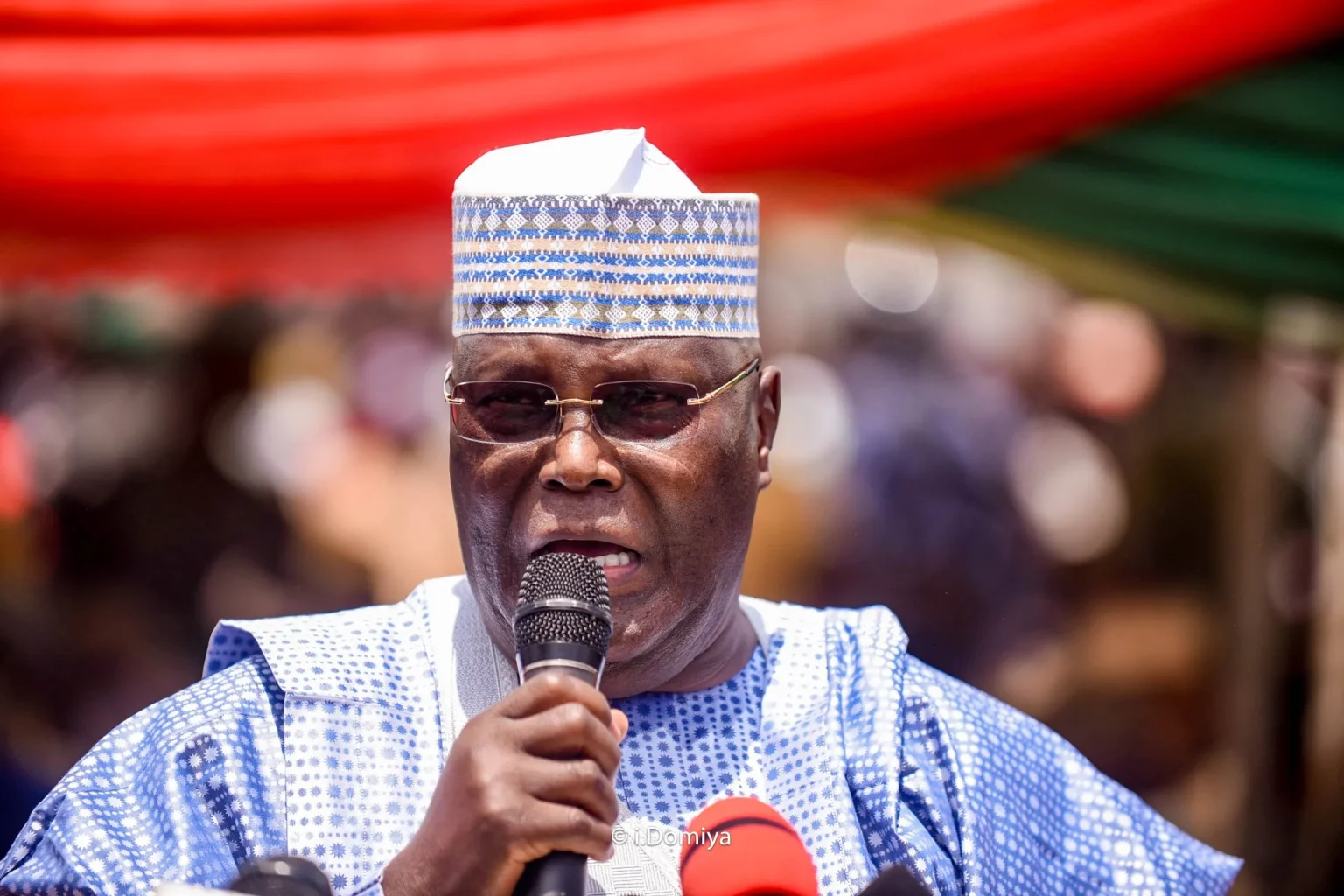
Atiku Asks Tinubu to Account for ₦10bn Ebola Preparedness Fund
Former Vice-President Atiku Abubakar demands a public audit of the ₦10 billion approved for Ebola preparedness, citing concerns over Nigeria’s response to a confirmed case in Abuja.
 News
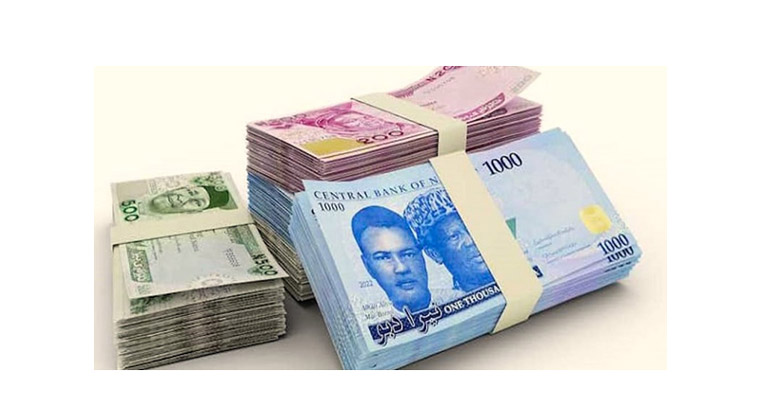
Cash Outside Nigerian Banks Rises to ₦4.92tn in September — CBN
Cash held outside Nigerian banks rose to ₦4.92 trillion in September, up ₦48.73 billion from August, according to CBN data.
 News
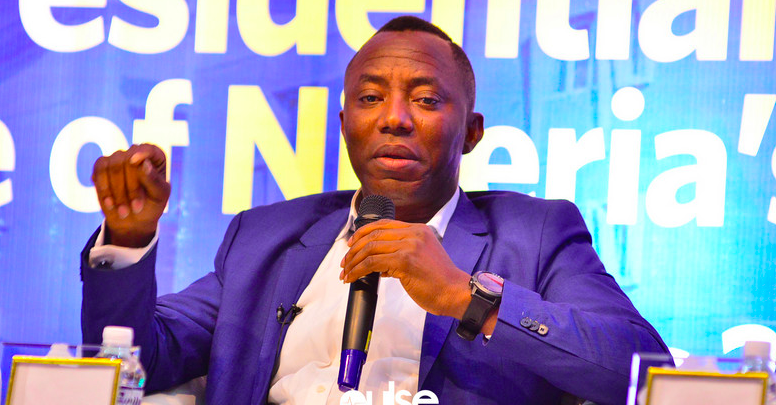
APC Scribe, Sowore Clash Over Aso Villa Campaign Inauguration Plan
APC National Secretary Ajibola Basiru dismisses Sowore’s request to use Aso Villa for his campaign inauguration, describing it as a political stunt.
 News
Oyo Assembly Approves ₦100bn Loan for Infrastructure Projects
Oyo lawmakers approve a ₦100 billion UBA loan for infrastructure projects, alongside a separate ₦300 billion refinancing arrangement.
Comments (0)
Leave a comment
All comments are moderated before publishing. Your email is never published.