
Appeal Court Vows Sanctions for Corrupt Election Tribunal Staff
President of the Court of Appeal, Justice Monica Dongban-Mensem, has warned election tribunal secretaries and registry officials against accepting bribes or manipulating judicial processes ahead of the 2027 general elections, threatening sanctions for anyone found guilty of misconduct.
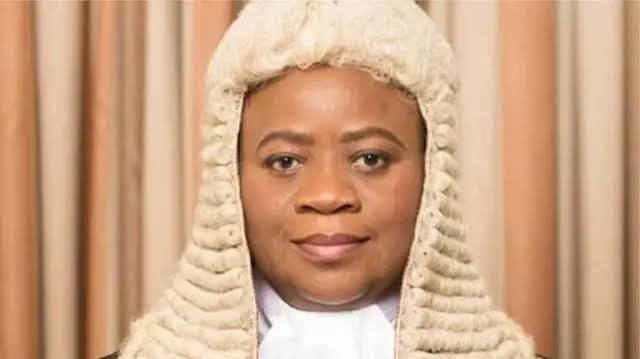
The President of the Court of Appeal, Justice Monica Dongban-Mensem, has warned secretaries and registry officials of election petition tribunals against corruption, manipulation of court processes and other practices capable of undermining electoral justice ahead of the 2027 general elections.
Dongban-Mensem issued the warning on Monday during the opening of a two-day capacity-building workshop for tribunal officials in Abuja, themed “Modern Registry Practices for Effective Election Petition Tribunal Administration”.
She described the assignment as a national responsibility rather than an opportunity for personal enrichment, stressing that the court would not hesitate to sanction officials found engaging in corrupt practices.
The Court of Appeal president said the efficiency, transparency and integrity of tribunal registries were essential to the timely resolution of election disputes and public confidence in the judiciary.
She explained that registry officials were responsible for receiving and filing petitions, serving court processes, issuing hearing notices, preparing records of proceedings, preserving judicial documents and compiling records.
According to her, any failure in these responsibilities could undermine the administration of electoral justice, particularly given the strict constitutional and statutory timelines governing election petitions.
Citing Sections 285(1) and (2) of the 1999 Constitution, Dongban-Mensem noted that the President of the Court of Appeal was empowered to establish election petition tribunals across the 36 states and the Federal Capital Territory.
She also referenced Section 134(3)(a) and (b) of the Electoral Act 2026, which requires the tribunals to be constituted at least 30 days before an election and their registries opened not later than seven days before polling.
She urged tribunal secretaries to familiarise themselves with the Electoral Act 2026 and the Election Petition Tribunal Proceedings Practice Direction 2026, warning that ignorance of the relevant provisions could expose them to manipulation and costly administrative errors.
Dongban-Mensem further cautioned officials against accepting financial inducements or allowing themselves to be used to frustrate judicial proceedings.
She said their conduct would remain under close scrutiny and urged them to protect the reputation of the judiciary through professionalism, confidentiality and strict adherence to established procedures.
Also speaking, the Chief Registrar of the Court of Appeal, Umar Bangari, said the credibility of Nigeria's democratic process depended significantly on the transparent and timely resolution of electoral disputes.
He warned that the court would not tolerate corruption, misconduct, collusion with litigants or lawyers, manipulation of court records, or unauthorised disclosure of confidential information.
Bangari added that officials who demonstrated exceptional commitment and diligence in their duties would be recognised and rewarded.
He disclosed that the Chief Justice of Nigeria, Justice Kudirat Kekere-Ekun, had inaugurated 375 judicial officers from different jurisdictions across the country to serve on election petition tribunals ahead of the 2027 elections.
Earlier, the Acting Deputy Chief Registrar of the Election Petition Tribunal Unit, Maitumbi Altine, said 655 tribunal staff and chief registrars were participating in the workshop. Of the participants, 223 had previously served on election petition tribunals, while 432 were first-timers.
Altine also disclosed that the Court of Appeal was upgrading its Case Management System to address concerns about conflicting judgments delivered by election petition tribunals in previous election cycles.
She said the court planned to upload tribunal judgments delivered since 1999 into the system to provide judicial officers with access to previous decisions for reference during proceedings.
The presidential and National Assembly elections are scheduled for January 16, 2027, while governorship and state Houses of Assembly elections will hold on February 6, 2027.
Sponsored

Related stories
 News
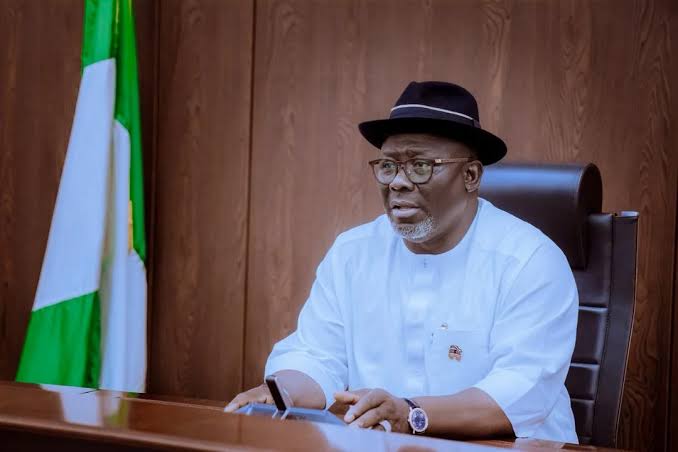
Delta Governor Backs CAN Prayer Retreat Centre Project
Delta State Governor Sheriff Oborevwori has pledged government support for the proposed Christian Association of Nigeria (CAN) Prayer Retreat Centre, promising to work with the Christian community to secure suitable land for the project.
 News
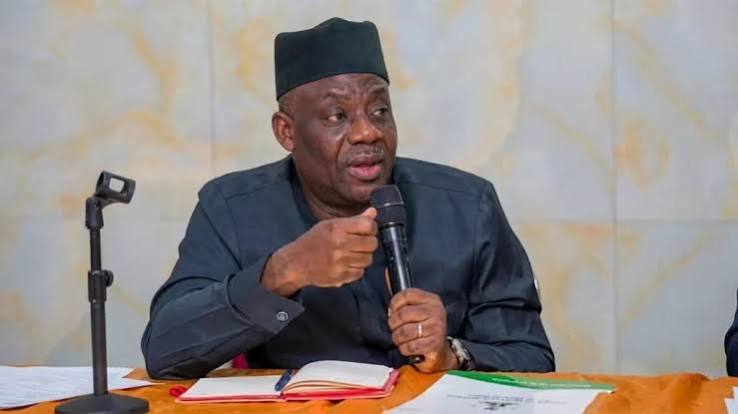
Nigeria Cannot Afford to Ignore Technology in Education, Says Minister
Minister of Education, Tunji Alausa, has urged Nigeria to embrace technology in education, warning that the country cannot continue relying on manual teaching and learning methods amid widespread learning difficulties and inadequate access to qualified teachers.
 News
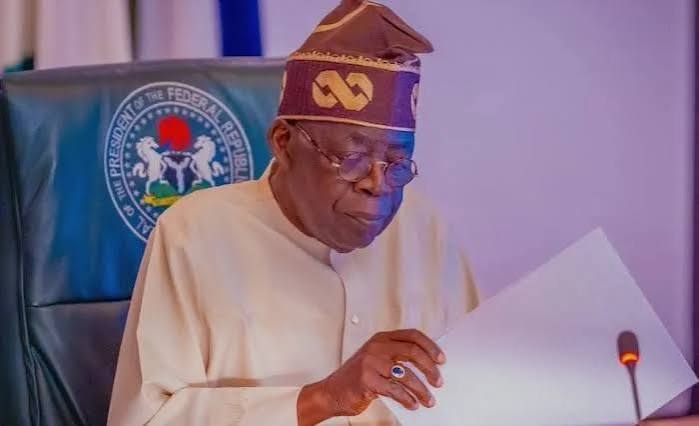
Tinubu Approves Take-Off of Kebbi Inland Dry Port
President Bola Tinubu has approved the establishment of an inland dry port in Kebbi State to strengthen trade, improve cargo handling and stimulate economic activities across the North-West region.
 News
NDC Urges Opposition Parties, Nigerians to Scrutinise INEC Voter Register
The Nigeria Democratic Congress (NDC) has urged opposition parties, civil society organisations and Nigerians to scrutinise the Independent National Electoral Commission's preliminary voter register ahead of the 2027 general elections, citing unexplained increases in registered voters in parts of the country.
Comments (0)
Leave a comment
All comments are moderated before publishing. Your email is never published.