
Africa Will Largely End Fuel Imports by 2030, Dangote Says
Aliko Dangote says most African countries could become self-sufficient in refined fuel by 2030 as new refineries expand the continent’s domestic refining capacity.
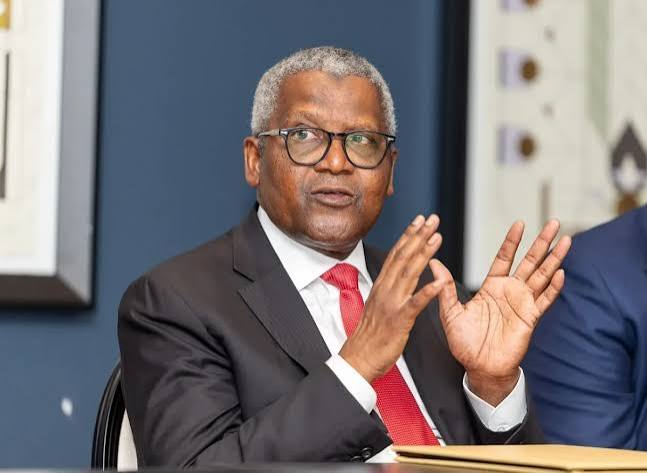
Nigerian businessman, Aliko Dangote, has said most African countries will become self-sufficient in refined fuel by 2030 as the continent expands its refining capacity.
Dangote made the projection in Nairobi while speaking ahead of the planned groundbreaking of a $16 billion refinery project on Kenya’s coast.
The proposed refinery, to be built in Lamu, is expected to have a capacity of 700,000 barrels per day and take about 30 months to complete.
Dangote said the project was part of efforts to reduce Africa’s dependence on exporting raw materials while importing finished products.
“By 2030, the majority of African countries will be self-sufficient. It does not matter where it is refined, but it should be in the African continent, on the soil of Africa,” he said.
He said the Kenyan refinery would source crude from different locations, including the Middle East and the United States, while remaining open to crude from African producers as oil production increases in countries such as Kenya, Tanzania and Mozambique.
Dangote said the planned 700,000-barrel-per-day facility was significant for East Africa but represented only an initial step towards meeting the continent’s growing energy demand.
“This refinery is not all we are going to do there. It’s just the start,” he said, adding that other industries were expected to develop around the refinery.
He said Africa’s continued export of raw materials and importation of finished products remained a major challenge because much of the value, employment and industrial activity associated with processing was created outside the continent.
Dangote said Africa needed to develop industries that would process its natural resources locally, arguing that doing so would create more jobs and retain greater economic value within the continent.
The planned Kenyan refinery is expected to add to Africa’s growing domestic refining capacity as countries seek to reduce reliance on imported petroleum products.
Dangote also dismissed concerns surrounding the Kenyan project, which has faced opposition over land rights and environmental issues, saying such challenges should not prevent industrial development on the continent.
Sponsored

Related stories
 News
News
Police Arrest Three Suspects over Drug Possession, Child Defilement in Bauchi
Bauchi Police have arrested two men over suspected Indian hemp possession and a 20-year-old man over the alleged defilement of a seven-year-old girl in Dass.
 News
News
Oyo Government Denies Diphtheria Outbreak Claims, Says No Cases Confirmed
The Oyo State Government says no diphtheria cases have been confirmed, dismissing claims by an APC campaign organisation while outlining measures to manage suspected cases.
 News
News
Haitian-Canadian Novelist Denies Using AI to Write Debut Novel
Haitian-Canadian author Thélyson Orélien has denied using artificial intelligence to write his acclaimed debut novel, while admitting to past plagiarism and describing the controversy surrounding his work as deeply distressing.
 News
News
Fubara Commends IGP Disu for Neutrality During Rivers Crisis
Rivers State Governor Siminalayi Fubara has commended the Inspector-General of Police, Mr Olatunji Disu, for maintaining neutrality and professionalism while serving as Commissioner of Police in the state during its political crisis.
Comments (0)
Leave a comment
All comments are moderated before publishing. Your email is never published.