
28 States Approve State Police Bill as NASS Moves to Transmit to Tinubu
The National Assembly says 28 state assemblies have approved the proposed State Police Bill, exceeding the constitutional threshold and paving the way for transmission to President Bola Tinubu for assent.

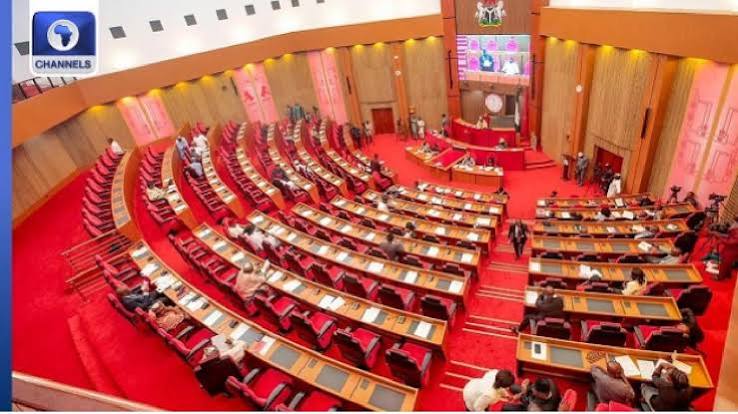
The National Assembly has confirmed that 28 State Houses of Assembly have approved the proposed constitutional amendment seeking to establish state police in Nigeria, clearing a major hurdle in the process towards presidential assent.
The Clerk to the National Assembly, Kamoru Ogunlana, disclosed this in a statement on Tuesday, November 3, 2026, saying the approvals had exceeded the constitutionally required threshold for altering the 1999 Constitution.
According to Ogunlana, the 28 approvals surpass the minimum requirement of 24 state legislatures, representing two-thirds of the 36 states, under Section 9 of the Constitution.
He said the proposed Constitution of the Federal Republic of Nigeria, 1999 (Sixth Alteration) Bill, was transmitted to all 36 State Houses of Assembly on September 16 for consideration and approval. The legislatures were initially requested to communicate their decisions within 30 days, with the deadline expiring on October 15.
However, Ogunlana said his office would continue to receive reports from the remaining state assemblies until the bill is transmitted for presidential assent.
He added that the National Assembly had verified the reports and accompanying Votes and Proceedings submitted by the approving legislatures to ensure that they accurately reflected the decisions taken.
The Clerk also clarified that Section 9 of the Constitution does not expressly require a third reading for a Constitution Alteration Bill, unlike the procedure for ordinary legislation.
With the required number of state approvals secured, the National Assembly said it had commenced the administrative processes necessary to transmit the bill to President Bola Tinubu for assent in accordance with the Acts Authentication Act.
The proposed amendment seeks to establish State Police Services alongside the existing federal policing structure, giving individual states a constitutional framework to create and operate their own police forces.
Supporters of the proposal argue that decentralised policing could improve intelligence gathering, strengthen community-level security and enable quicker responses to local threats, including kidnapping, banditry and other violent crimes.
However, the proposal has also raised concerns about possible political interference, human rights abuses and the potential use of state police against political opponents.
Although the 28 approvals satisfy the required threshold for state-level endorsement, the proposed amendment has not yet become law. The National Assembly must complete the remaining procedures and transmit the bill to the President for assent before the new constitutional framework can take effect.
The National Assembly said it would continue to provide updates as the process advances.
Sponsored

Related stories
 News
Senate Steps Down Barau’s Agricultural Revolution Bill
The Senate deferred consideration of the 2026 bill after lawmakers raised concerns about its drafting, broad scope and circulation of printed copies.
 News
‘Paying Salaries Is Your Duty, Not an Achievement’ — Natasha Akpoti Tackles Kogi Governor
Senator Natasha Akpoti-Uduaghan has criticised Governor Ahmed Usman Ododo over Kogi’s development record, arguing that paying workers’ salaries is a basic government responsibility.
 News
EFCC Uncovers ‘Chinese-Operated Illegal Refinery’ in Ogun
The EFCC says it has uncovered an illegal refinery allegedly operated by Chinese nationals in Ogun State, as investigations continue into the suspected operation.
 News
EFCC Links Illegal Mining to Insecurity, Organised Crime, Vows to Target Financiers
The EFCC says it will target financiers, mineral buyers and compromised officials behind illegal mining, warning that the practice fuels insecurity and organised crime.
Comments (0)
Leave a comment
All comments are moderated before publishing. Your email is never published.