
$21.7bn External Borrowing Plan Is Investment, Not Debt — Oyedele
Taiwo Oyedele says Nigeria’s proposed $21.7 billion external borrowing programme is designed to finance development investments, infrastructure and economic growth.
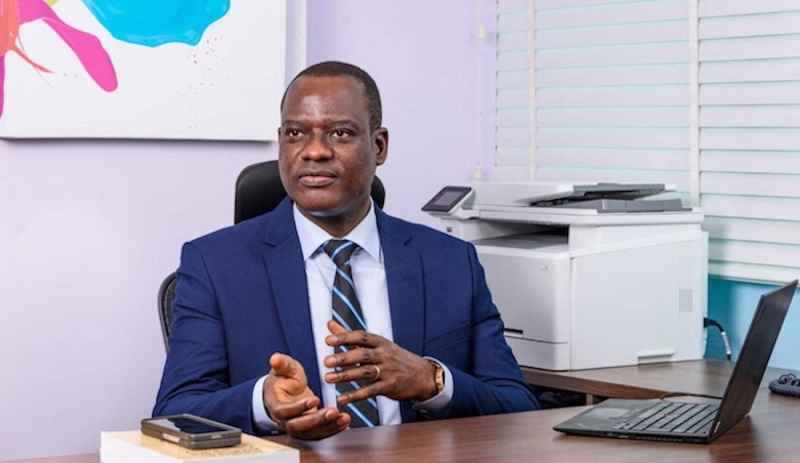
The Minister of State for Finance, Taiwo Oyedele, has defended the Federal Government’s proposed external borrowing plan of approximately $21.7 billion, describing it as an investment strategy rather than simply an accumulation of debt.
Oyedele’s position comes amid public debate over President Bola Tinubu’s request for legislative approval to secure external loans to finance government programmes and development projects.
The proposed borrowing has attracted attention from opposition figures and economic commentators concerned about Nigeria’s rising public debt, debt-servicing obligations and the long-term implications of additional foreign borrowing.
Defending the plan, Oyedele’s argument centres on the purpose of the funds, maintaining that borrowing should be assessed in relation to the investments it finances and the economic benefits those investments are expected to generate.
Governments commonly use external loans to fund infrastructure, transport, energy, healthcare and other projects that require substantial capital. Such investments can support productivity and economic expansion when projects are properly selected, implemented and managed.
However, external borrowing remains a financial obligation that must be repaid according to agreed terms. The distinction between productive investment and unsustainable borrowing therefore depends on factors such as interest rates, repayment periods, foreign-exchange exposure, project returns and the government’s ability to generate sufficient revenue.
Nigeria faces continuing pressure to fund public infrastructure and essential services while managing limited revenue and existing debt commitments. The government must therefore balance development spending with fiscal sustainability.
The proposed borrowing programme is subject to the applicable approval process, including consideration by the National Assembly. Legislators are expected to examine the proposed facilities, their intended uses and the terms attached to the loans.
The debate also highlights the importance of transparency in public borrowing. Clear disclosure of project allocations, procurement procedures, implementation timelines and expected economic returns would help Nigerians assess whether the proposed investments deliver sufficient value.
Oyedele’s position reflects the administration’s argument that borrowing can contribute to development when funds are directed towards productive purposes. Critics, meanwhile, continue to stress the need to consider repayment costs and the country’s overall debt burden.
The central issue remains whether the proposed external financing will generate economic benefits sufficient to justify its cost and repayment obligations.
Sponsored

Related stories
 News
‘My Visit Was About Nigeria’s Development’ — Obi Debunks US Congress Endorsement Claims
Peter Obi says his Washington engagements focused on Nigeria’s development and democracy, insisting he neither sought nor claimed an American endorsement.
 News
NLC, TUC Reconcile, Resolve to Cooperate for Workers’ Welfare
Nigeria’s two major labour centres have ended their public disagreement, pledging renewed unity and cooperation to protect workers’ rights and welfare.
 News
ICPC Opposes PFIPC Adeyemi’s Bail, Says ‘Fraud Victims’ May Attack Him Outside Custody
The ICPC has urged an Abuja court to deny Adeniyi Adeyemi bail, arguing that alleged fraud victims could physically attack him if released.
 News
US Commends Nigeria for Rescuing 125 Kidnap Victims, Dismantling Terrorist Camps
The United States has praised Nigerian troops for rescuing 125 abducted persons, dismantling terrorist camps, recovering weapons and clearing explosives.
Comments (0)
Leave a comment
All comments are moderated before publishing. Your email is never published.