
2027: Elections Must Be Decided at Polls, Not Courts — Onaiyekan, Osigwe
Onaiyekan and Osigwe urge electoral reforms to ensure voters, rather than courts, determine Nigeria’s election outcomes.
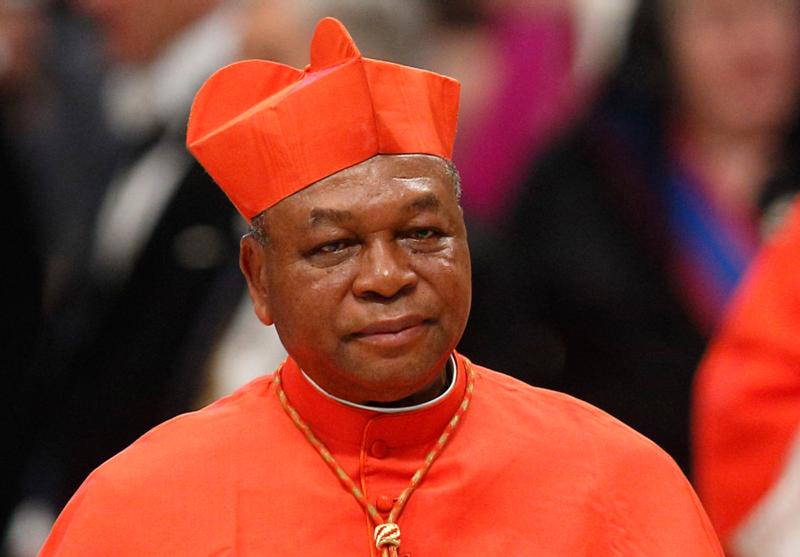
Catholic Archbishop Emeritus of Abuja, Cardinal John Onaiyekan, and former Nigerian Bar Association President, Afam Osigwe, SAN, have called for reforms to ensure Nigeria’s 2027 elections are determined by voters at the polling booths rather than prolonged courtroom battles.
They made the call at the 22nd All Nigeria Editors Conference in Enugu, organised by the Nigerian Guild of Editors under the theme, “The Ballot, the Media and the Task of Keeping Democracy Alive.”
Onaiyekan, who delivered the keynote address, expressed concern over what he described as the growing judicialisation of Nigeria’s electoral process.
He said the judiciary should serve as the final stage for resolving election disputes, rather than becoming the institution through which electoral victories are effectively determined.
According to him, properly conducted elections should reduce the need for prolonged litigation, while election tribunals should primarily address specific disputes that arise from the voting process.
Onaiyekan proposed several reforms, including measures to ensure that election petitions are concluded before elected officials are sworn into office. He also called for an independent electoral commission and greater public participation in the electoral dispute process.
He argued that voters whose ballots are at stake should have a stronger role in challenging electoral irregularities.
Osigwe, who spoke on “Election Petition in the Digital Age: Independence, Evidence, BVAS,” also raised concerns about the large number of election petitions filed in Nigeria.
He said frequent judicial involvement in electoral contests had raised questions about whether political outcomes were being determined primarily by voters or through litigation.
Osigwe also discussed challenges surrounding evidence in election petitions, particularly the use of digital systems such as the Bimodal Voter Accreditation System and the INEC Result Viewing Portal.
He argued that technology introduced to improve transparency should not create additional barriers for candidates seeking to establish electoral irregularities.
The former NBA president further questioned the widespread political response of telling defeated candidates to “go to court,” arguing that confidence in the electoral justice system depends on citizens believing that judicial processes are accessible and credible.
President of the Nigerian Guild of Editors, Eze Anaba, similarly stressed the importance of protecting the credibility of the ballot so that courts would not have to determine who represents the people.
The discussions come as political parties and candidates prepare for the 2027 general elections, with electoral integrity, judicial independence, digital evidence and public confidence expected to remain major issues in the electoral process.
Sponsored

Related stories
 Politics
33 Governors Can’t Be Wrong Backing Tinubu — Onanuga
Presidential spokesman Bayo Onanuga says the endorsement of President Bola Tinubu by 33 governors reflects confidence in his leadership and policies.
 Politics
2027: Vote For Competence, Reject Political Gamblers, Wike Urges Nigerians
FCT Minister Nyesom Wike urges Nigerians to prioritise competence, accountability and service delivery over ethnic sentiments and political ambition ahead of 2027.
 Politics
‘No Vacancy’ — Senators Endorse Akpabio For 11th Assembly Senate Presidency
Senate Chief Whip Tahir Monguno and other lawmakers have endorsed Godswill Akpabio for another term as Senate President after the 2027 elections.
 Politics
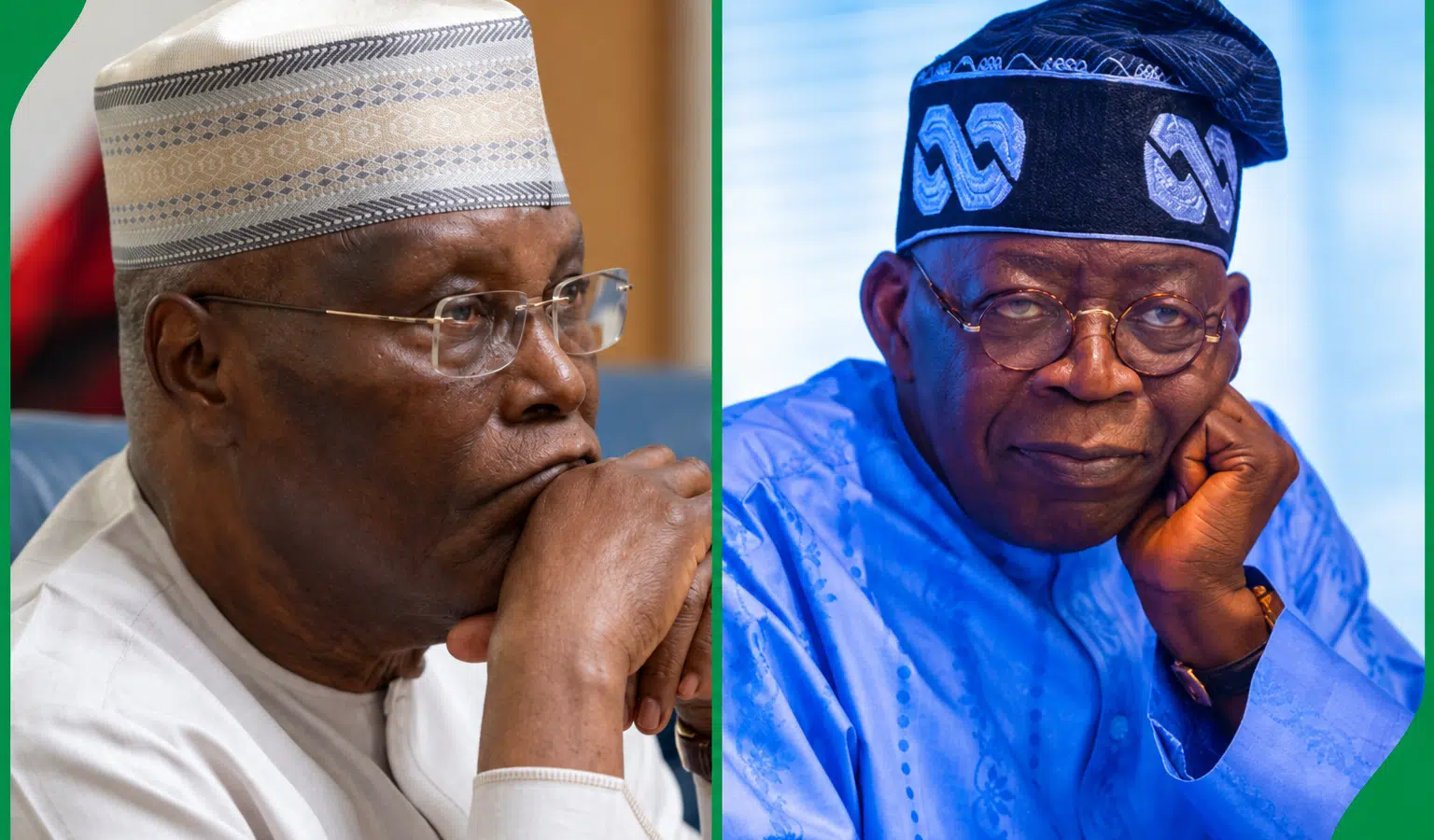
‘Now You See Why We Call Him Bola’ — Atiku’s Aide Reacts to Tinubu’s Governor Gaffe
Atiku’s aide Phrank Shaibu mocks Tinubu after the President mistakenly refers to himself as governor at an APC event.
Comments (0)
Leave a comment
All comments are moderated before publishing. Your email is never published.