
2027 Elections: EU Raises Alarm Over AI-Generated Fake News
Concerns are mounting over AI-generated fake videos, cloned voices and fabricated election results ahead of Nigeria’s 2027 general elections.
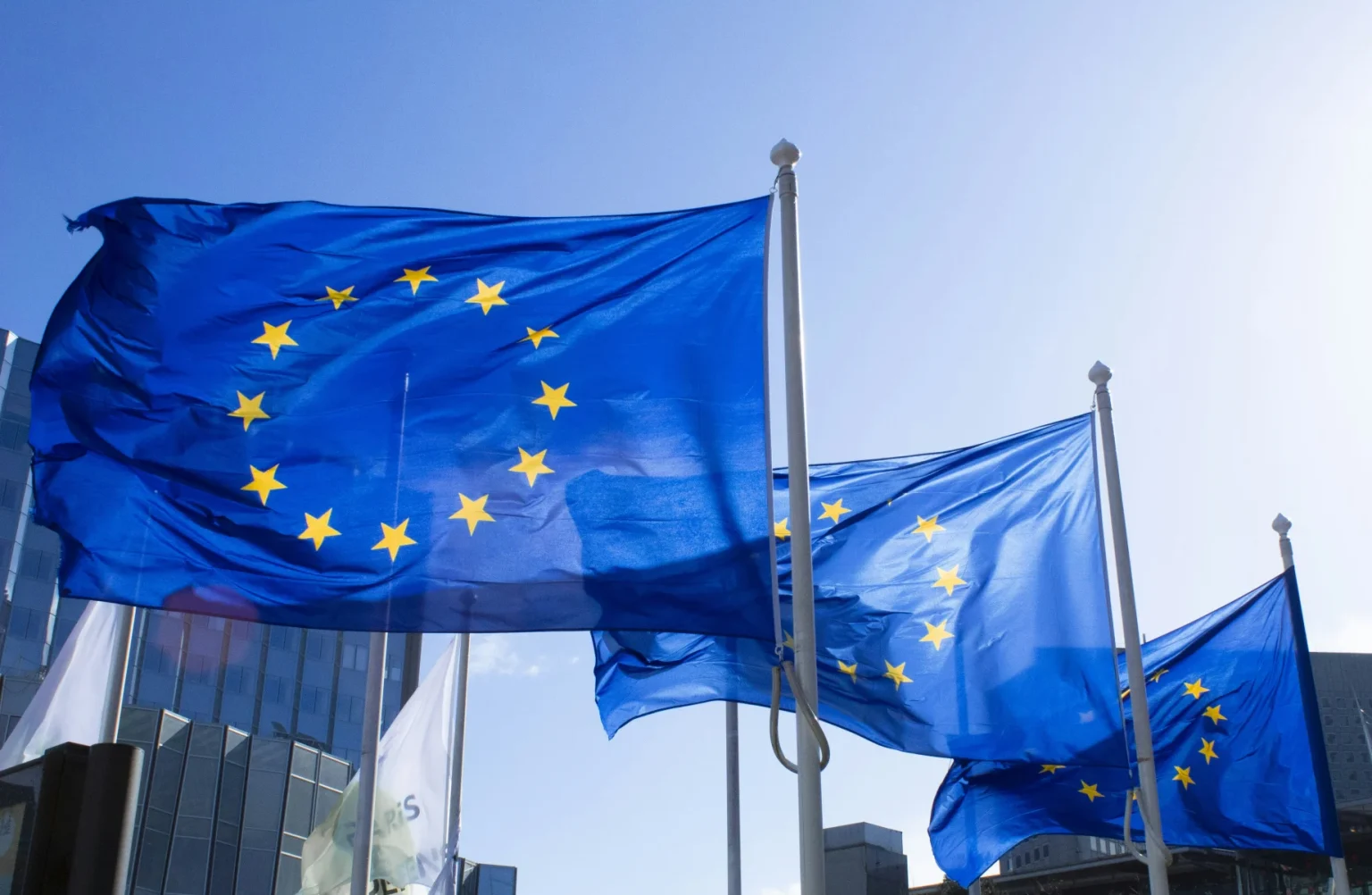
The European Union has been highlighting the importance of credible information and electoral integrity ahead of Nigeria’s 2027 general elections, as concerns grow over the potential misuse of artificial intelligence to spread fake news and manipulate voters.
AI-generated content, including deepfake videos, cloned audio recordings and manipulated images, could be used to falsely portray candidates making statements they never made, announce fictitious election results or circulate misleading claims about voting procedures.
Such content can appear authentic and spread rapidly through social media platforms before journalists, fact-checkers or election authorities can verify it.
Nigeria’s electoral authorities have also warned about the threat. The Independent National Electoral Commission (INEC) has described AI-driven disinformation as a serious risk to the credibility of the 2027 polls.
INEC Chairman, Professor Joash Amupitan, warned that protecting election integrity would require more than securing voting equipment and electronic result-transmission systems. Authorities must also address false information circulating within the wider information environment.
The commission has discussed strengthening its technological infrastructure, auditing electoral systems and improving its capacity to identify and respond quickly to misleading claims.
In October, INEC also announced measures to monitor digital threats and detect deepfake content ahead of the elections.
The National Information Technology Development Agency (NITDA) has similarly warned that AI-powered misinformation and sophisticated cyberattacks could undermine public trust and information integrity during the election period.
NITDA Director-General, Kashifu Abdullahi, urged Nigerians to verify political content before believing or sharing it, noting that AI has made it easier to produce convincing but deceptive messages.
Media organisations and fact-checking groups are also expected to play an important role by verifying viral claims, checking original sources and promptly correcting false reports.
Voters are being encouraged to confirm election-related announcements through official INEC communication channels rather than relying solely on forwarded messages, anonymous social media accounts or sensational videos.
As political campaigns intensify, the challenge will be to ensure that voters can distinguish authentic information from fabricated content without undermining legitimate political debate or freedom of expression.
The growing concern underscores the need for cooperation among electoral authorities, technology agencies, media organisations, social media platforms and citizens to protect the credibility of Nigeria’s democratic process.
Sponsored

Related stories
 News
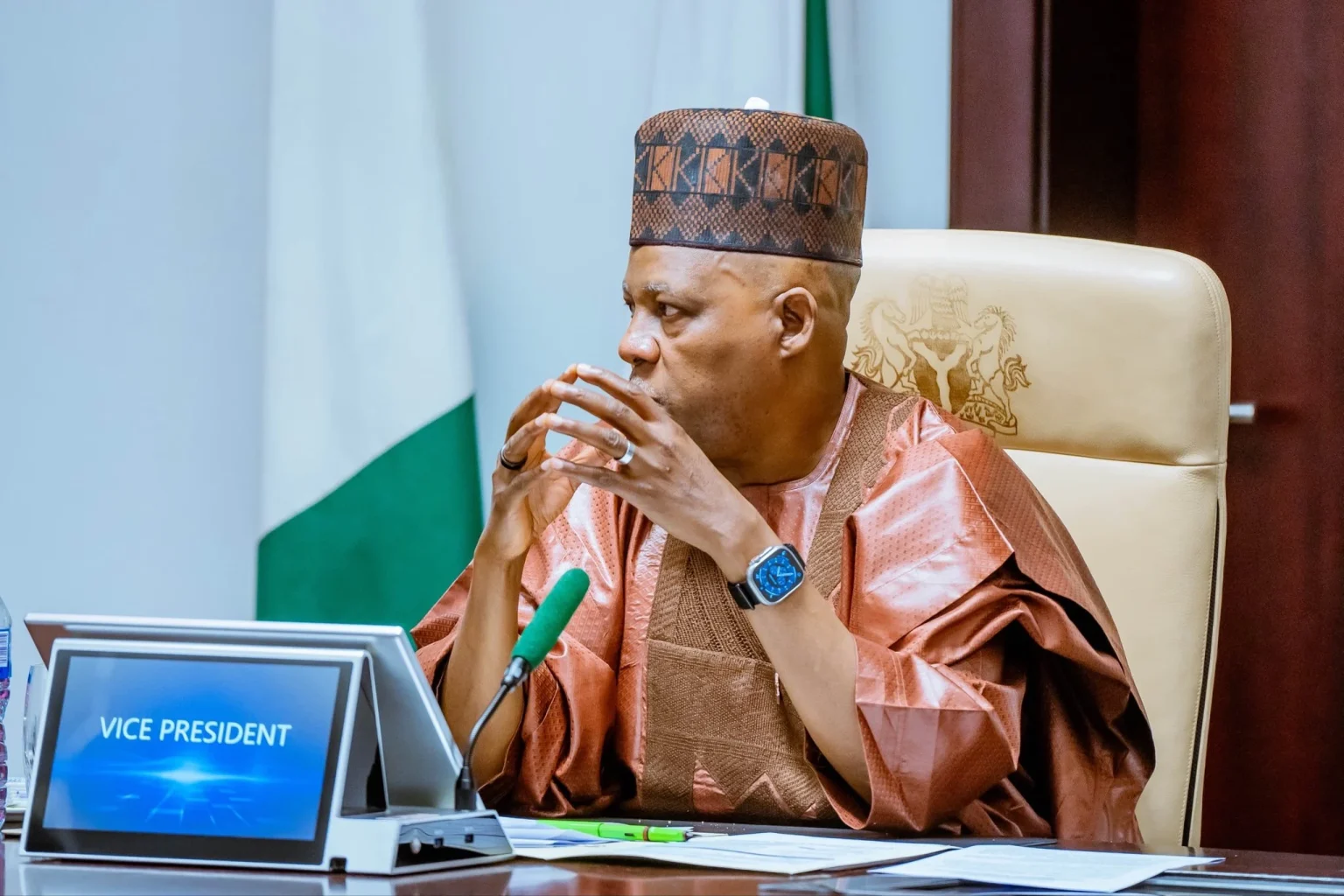
Shettima Presides Over NEC Meeting
Vice-President Kashim Shettima has presided over a National Economic Council meeting in Abuja, attended by governors and other government officials.
 News
Imo Court Sets October 27 for Trial of Five Alleged NYSC Prospects’ Kidnappers
An Imo State High Court has scheduled further proceedings for October 27 in cases involving five suspects accused of kidnapping 20 prospective NYSC members and four other people.
 News
Why Africa Is Without Vaccine for Latest Ebola Strain — Africa CDC
Africa CDC says limited research funding, low commercial incentives and gaps in preparedness have delayed vaccine development for the Bundibugyo Ebola strain.
 News
NUJ Seeks Probe of Kaduna Journalist’s Four-Year Sentence Over Facebook Post
The NUJ has called for an impartial investigation and fair trial for Kaduna journalist Farida Isiak following her controversial sentencing.
Comments (0)
Leave a comment
All comments are moderated before publishing. Your email is never published.