
2027: Atiku’s Promise to Reverse Fuel Subsidy Is Equivalent to APC’s Muslim-Muslim Ticket — Fayemi
Fayemi says Atiku’s subsidy promise could become a major political liability, comparing it to APC’s controversial 2023 ticket.
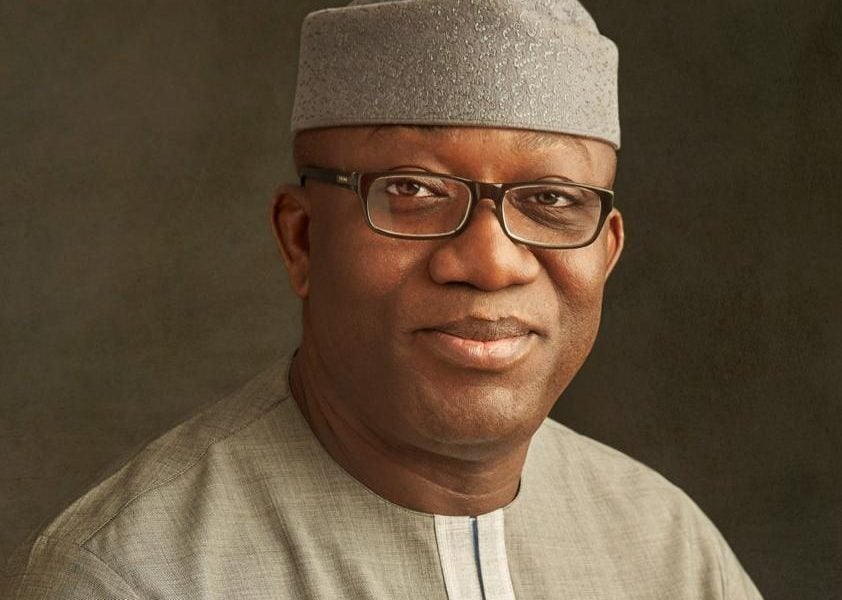
Former Ekiti State Governor, Kayode Fayemi, has described former Vice-President Atiku Abubakar’s promise to restore fuel subsidy as politically comparable to the All Progressives Congress’ Muslim-Muslim presidential ticket in the 2023 election.
Fayemi said Atiku’s position on subsidy could become a major issue in the 2027 presidential election, particularly as Nigerians continue to grapple with the economic consequences of the removal of the subsidy.
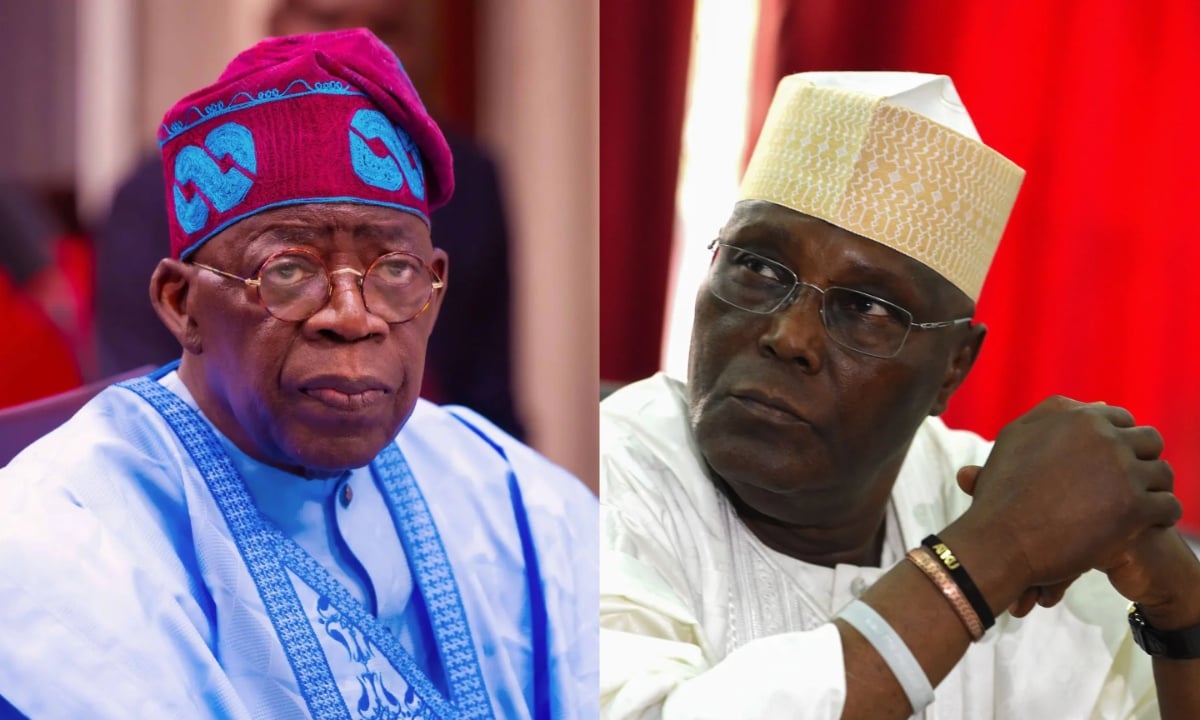
Atiku, the presidential candidate of the Peoples Democratic Party in the 2023 election and now a leading opposition figure, has repeatedly criticised the removal of the petrol subsidy by President Bola Tinubu’s administration. He has argued that the policy should be reversed as part of measures to reduce the economic burden on Nigerians.
Fayemi, however, questioned the political wisdom of making subsidy restoration a central campaign promise, arguing that it could create a significant disadvantage for Atiku.
He likened the proposal to the APC’s decision to field a Muslim-Muslim ticket in the 2023 presidential election, a move that generated considerable controversy and opposition from sections of the electorate.
According to Fayemi, the political consequences of such positions should not be underestimated as parties and candidates prepare for the 2027 contest.
The former governor’s comments come amid an increasingly competitive opposition landscape, with Atiku now seeking to consolidate support around a broader coalition challenging Tinubu’s re-election bid.
The debate over fuel subsidy remains one of the most contentious issues in Nigeria’s economic and political discourse. The subsidy was removed in May 2023 shortly after Tinubu assumed office, triggering a sharp increase in petrol prices and contributing to wider concerns about inflation and the cost of living.
Supporters of subsidy removal argue that ending the programme has freed government resources and encouraged investment in domestic refining, while critics maintain that Nigerians have borne the brunt of the policy through higher transportation, food and production costs.
Fayemi’s comparison adds a political dimension to the continuing subsidy debate, suggesting that Atiku’s promise could influence how voters assess his candidacy.
With the 2027 presidential election approaching, fuel pricing, economic reforms and the cost of living are expected to remain central issues in the campaigns of both the ruling party and opposition candidates.
Sponsored
Related stories
 Politics
Fuel Discount: Atiku Accuses Tinubu of Turning NNPCL Into Campaign Money Cashier
Atiku has accused Tinubu’s administration of using NNPCL’s petrol discount for political advantage ahead of the 2027 general election.
 Politics
2027: NDC to Inaugurate Presidential Council October 20
The Nigeria Democratic Congress will inaugurate its Presidential Campaign Council on October 20 as it intensifies preparations for the 2027 general elections.
 Politics
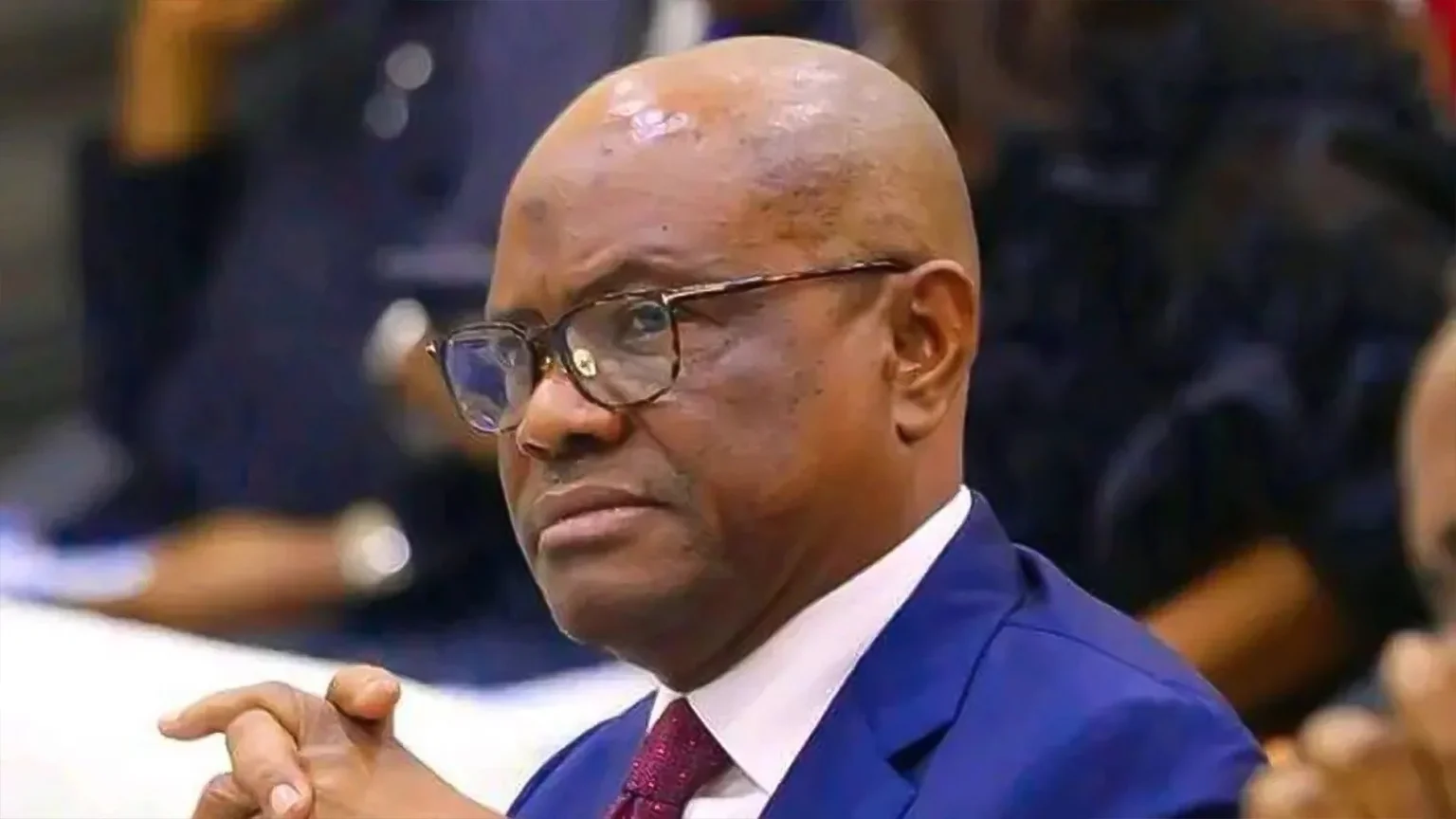
2027: Wike Threatens to Block Amaechi’s Campaign in Rivers Over Tinubu Insults
Wike warned Amaechi could face campaign difficulties in Rivers if he continues attacking Tinubu’s supporters.
 Politics
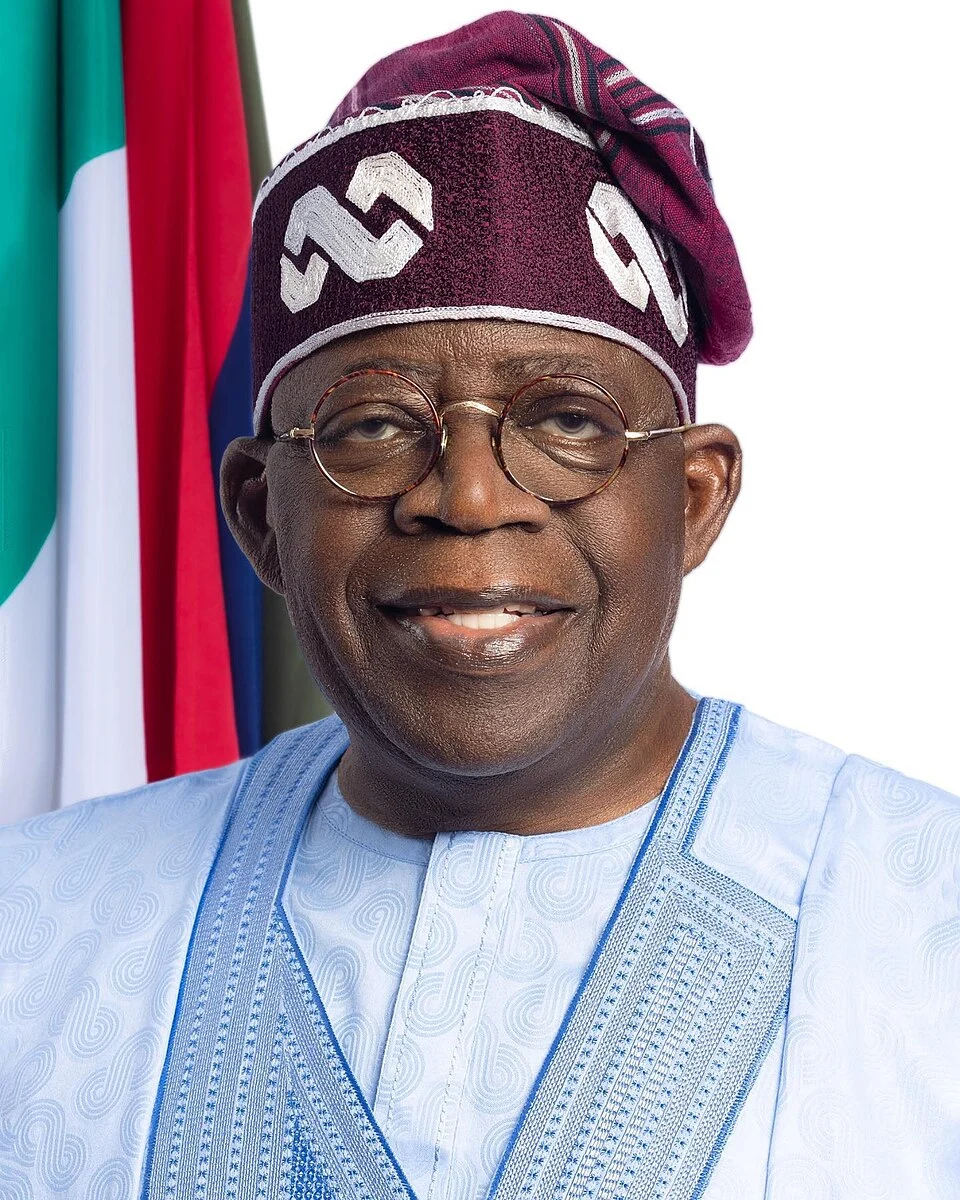
2027: Tinubu Kicks Off Campaign in Kaduna October 24
Yari says Tinubu will officially launch his 2027 re-election campaign in Kaduna on October 24.
Comments (0)
Leave a comment
All comments are moderated before publishing. Your email is never published.