
15 Northern States May Collapse If Subsidy Returns, Don Warns
OAU professor warns subsidy restoration could slash federal allocations, leaving more than 15 northern states unable to survive.
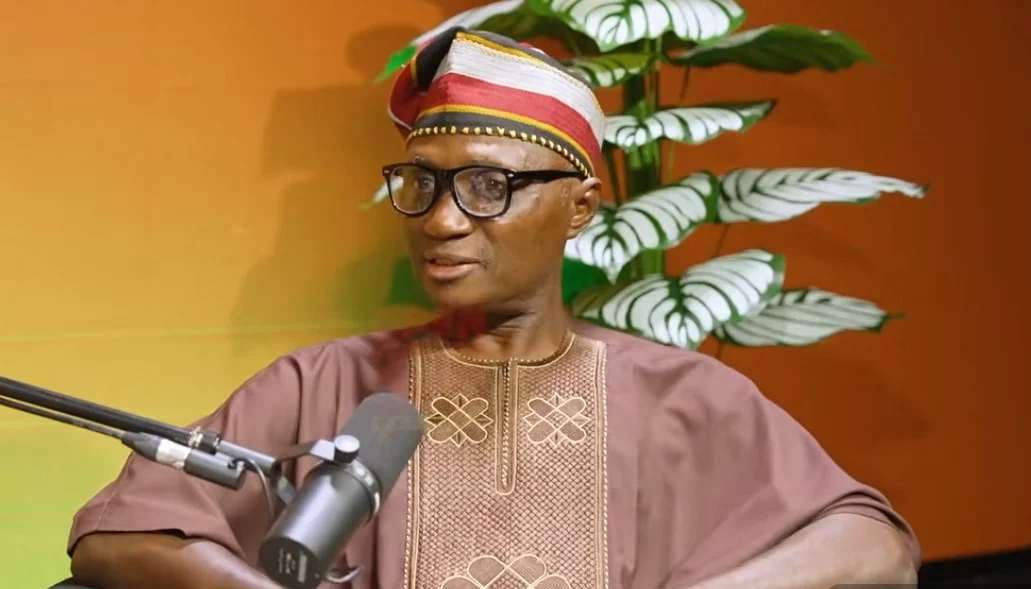
A professor at Obafemi Awolowo University, Tunji Ogunyemi, has warned that restoring petrol subsidy could leave more than 15 northern states unable to sustain government operations within three months.
Ogunyemi gave the warning while reacting to the proposal by former Vice President Atiku Abubakar to restore petrol subsidy if elected president in 2027.
The professor argued that returning to the subsidy regime would reduce revenue available for distribution through the Federation Account, on which many state governments depend heavily to finance their operations.
He described the proposal as potentially calamitous, warning that a reduction in Federation Account revenue could severely affect states whose finances depend largely on federal allocations.
He cited Lagos, Delta and Rivers among states that could cope better without heavy reliance on federal allocations, while using Taraba as an example of a state highly dependent on federal revenue.
Ogunyemi said reducing funds accruing to the Federation Account could cause more than 15 states in northern Nigeria to collapse financially within three months.
He explained that the consequences would include difficulties paying workers’ salaries and meeting pension obligations, potentially returning states to the financial challenges experienced before the removal of petrol subsidy.
He said a large proportion of federal expenditure goes toward recurrent obligations, leaving less room for capital projects and development programmes when revenue falls.
His comments came amid an ongoing political debate over whether petrol subsidy should be restored, following Atiku’s proposal to introduce a new intervention if he wins the 2027 presidential election.
He has, however, clarified that his proposal would involve a targeted and capped intervention supporting domestic refining and production rather than simply returning to the previous import-subsidy system.
President Bola Tinubu removed petrol subsidy during his inauguration in May 2023, triggering significant increases in fuel prices and transportation costs.
The debate over the policy remains central to Nigeria’s economic and political discussions, with supporters of removal citing fiscal sustainability while critics emphasise its impact on households and businesses.
Ogunyemi maintained that policymakers must carefully consider the consequences for government finances before reversing the existing subsidy policy. He urged caution before reversing policy.
Sponsored

Related stories
 News
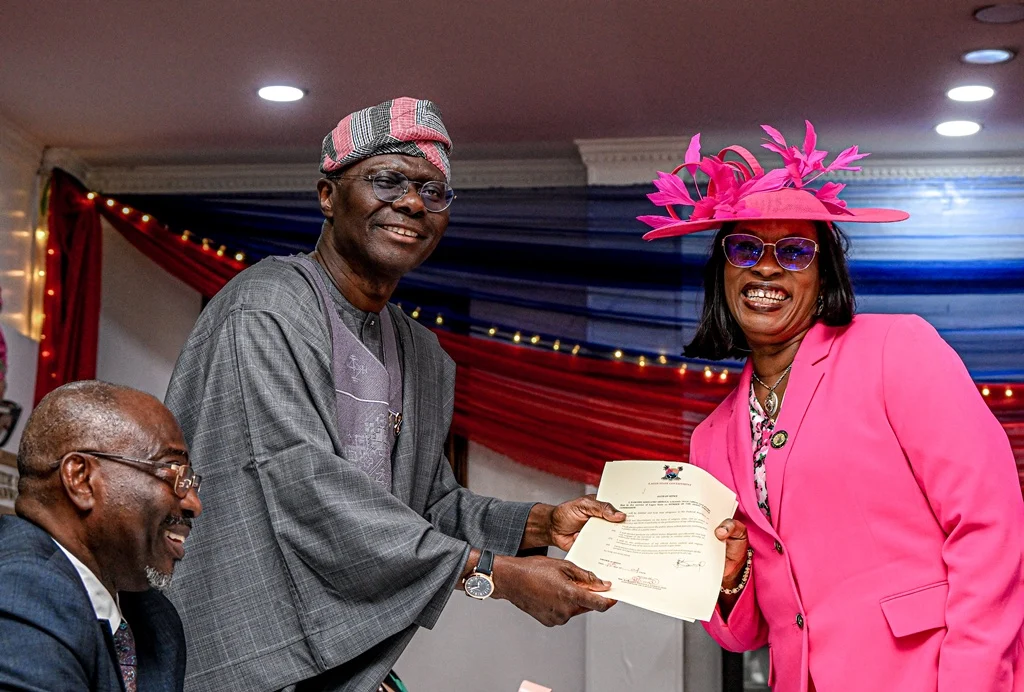
Sanwo-Olu Swears In Six Permanent Secretaries, Inaugurates Two Lagos Commissions
Lagos State Governor Babajide Sanwo-Olu on Monday swore in six newly appointed permanent secretaries and inaugurated members of two state commissions, as his administration seeks to strengthen public service delivery.
 News
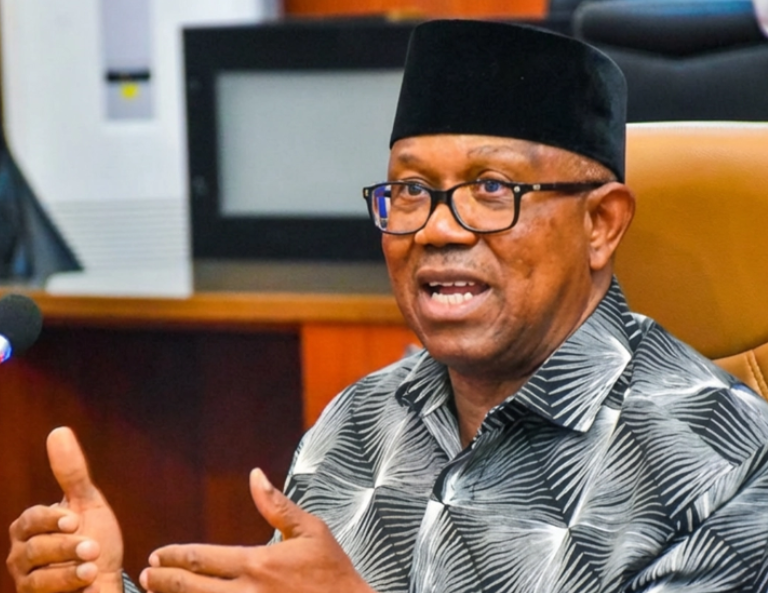
‘Tell Them No’: Obi Urges UK-Based Nigerians to Stop Sending Money Home
Peter Obi urges Nigerians in the United Kingdom to reconsider financial support for relatives at home, arguing that poor leadership drives economic hardship.
 News
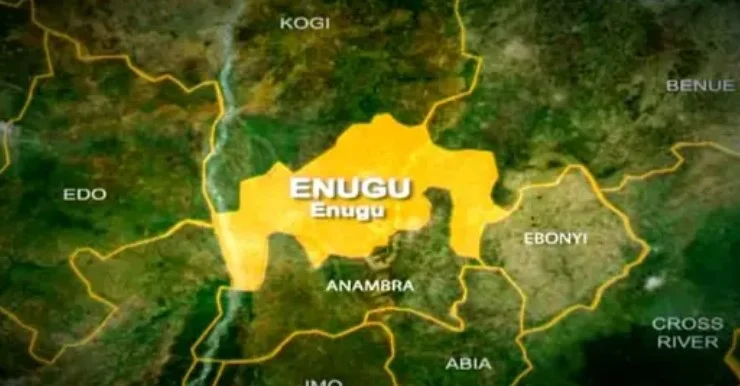
Enugu LGs Begin Payment of 25-Year Gratuity Backlog
Enugu local governments will commit 10 per cent of monthly allocations to clearing gratuity arrears owed to retired council workers since 2000.
 News
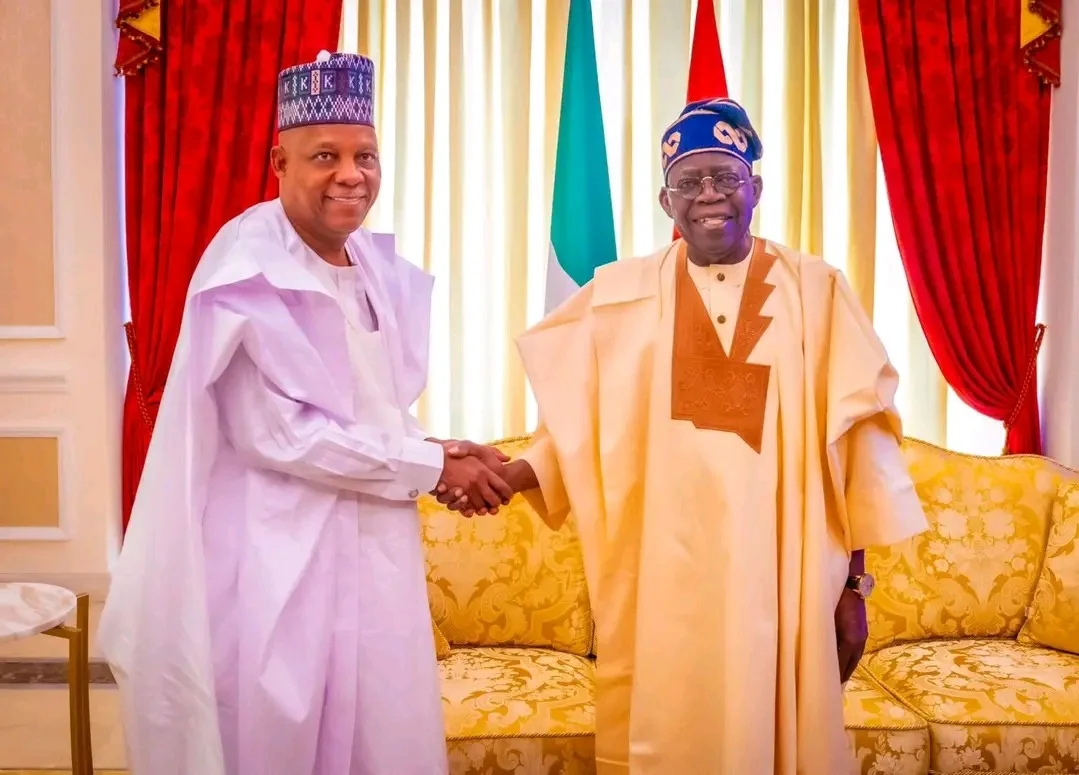
Economy Would’ve Collapsed Without Tinubu’s Reforms — Shettima
Vice-President Kashim Shettima says President Tinubu’s economic reforms prevented Nigeria’s economy from collapsing, despite hardship experienced by citizens.
Comments (0)
Leave a comment
All comments are moderated before publishing. Your email is never published.