
Ukraine Pushes AI Combat Robots Despite Defence Minister’s Dismissal
Ukraine intensifies AI combat robot development, with engineers and military insisting innovation will continue despite leadership changes and conflict.
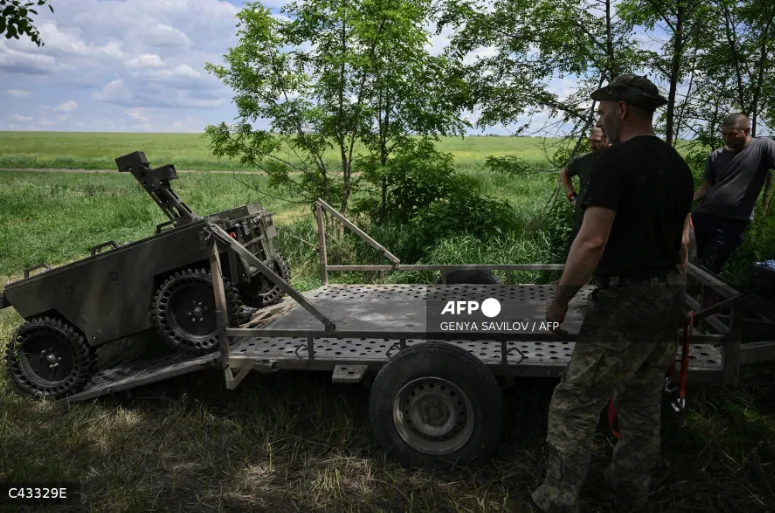
Ukraine is accelerating the development and deployment of artificial intelligence-powered combat robots despite the recent dismissal of former Defence Minister Mykhailo Fedorov, whose reforms helped transform the country into one of the world’s leading innovators in military drone technology.
Engineers, military commanders and defence manufacturers say the momentum behind Ukraine’s autonomous weapons programme remains strong, driven by battlefield necessity and a thriving network of private technology firms working closely with the armed forces.
One of those innovators is Eduard Trotsenko, founder and Chief Executive Officer of robot manufacturer Temerland. Speaking from his workshop, Trotsenko showcased a range of autonomous systems under development, including “robot dogs” designed for combat operations and mechanical birds capable of landing on high-voltage power lines to recharge themselves.
According to him, the ultimate goal is to reduce casualties among Ukrainian troops.
“In order to save human lives and protect soldiers, there must be robots,” he said.
Since Russia’s invasion, Ukraine has rapidly expanded its defence technology sector, with drones becoming central to reconnaissance, logistics and precision strikes. Ground robots now transport supplies, evacuate wounded soldiers and operate in dangerous combat zones, reducing the need to expose personnel to enemy fire.
Trotsenko said his company is currently testing combat-capable ground drones equipped with rocket launchers and heavy machine guns controlled through onboard artificial intelligence. The systems are undergoing evaluation with frontline brigades while awaiting broader approval from military authorities.
Although Fedorov’s removal raised concerns about the future direction of Ukraine’s technology strategy, industry stakeholders insist the innovation ecosystem has grown beyond any single official.
Military commander known by the call sign “Jason” said the technological revolution emerged from grassroots collaboration between engineers, programmers and soldiers rather than government directives alone.
He explained that technology specialists are now deeply integrated into military operations, helping to develop and refine systems based on real battlefield experience.
Jason described skilled personnel shortages as the biggest remaining challenge but expressed confidence that Ukraine’s innovation drive would continue.
Trotsenko also predicted that future conflicts would increasingly involve remotely operated humanoid robots controlled from safe locations, allowing even injured soldiers to participate in military operations without returning to the battlefield.
Sponsored

Related stories
 News
News
Shoprite Set To Open Neighbourhood Stores After Shutdown
Shoprite Nigeria plans to open standalone neighbourhood stores after reopening three outlets, as investors pursue a strategy to cut costs and revive operations.
 News
News
Blaming Opposition For Hunger Is ‘Delusion’ — Atiku Tells Tinubu
Atiku Abubakar has accused President Tinubu of evading responsibility for Nigeria’s economic hardship after blaming opposition politicians for hunger and poverty.
 News
News
Tinubu Accuses Opposition of Creating Hunger, Poverty
President Bola Tinubu has accused opposition parties of creating the hunger and poverty they now criticise his administration over, insisting that his government is working to eradicate hardship and deliver economic prosperity.
 News
News
UNICEF, Sokoto Target One Million Children for Polio Vaccination
UNICEF and the Sokoto State Government are intensifying efforts to protect children against polio through vaccination, community mobilisation and public awareness, with emphasis on reaching every eligible child and addressing vaccine hesitancy.
Comments (0)
Leave a comment
All comments are moderated before publishing. Your email is never published.