
Tinubu: Why Akpabio Rejected Acting President Role — Rufai Oseni
Rufai Oseni explains why Akpabio rejected acting president status amid questions over Tinubu’s prolonged absence from Nigeria.
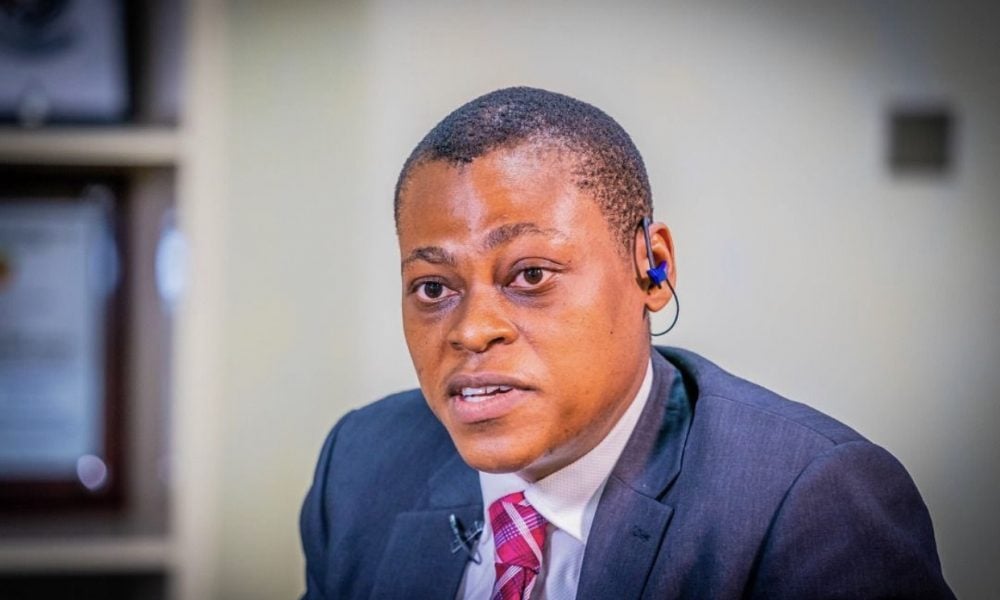
Arise Television presenter Rufai Oseni has offered an explanation for Senate President Godswill Akpabio’s decision to reject suggestions that he should be addressed as Nigeria’s Acting President during President Bola Tinubu’s prolonged absence from the country.
Akpabio recently clarified that he was not the Acting President, insisting that Tinubu remained in charge of the country despite being away on a working leave.
The Senate President said Tinubu continued to perform his responsibilities from abroad and that there was no vacancy in the Presidency.
His comments followed growing public discussion over the absence of both the President and Vice President Kashim Shettima from Nigeria at the same time.
Speaking on the issue, Oseni suggested that Akpabio’s position was connected to the constitutional procedure for transferring presidential powers.
The presenter noted that the Constitution provides a formal process through which the President can transmit a written declaration to the National Assembly when temporarily unable to perform his functions.
He said that without such a formal transmission of power, the Senate President could not simply assume the role of Acting President because the President was outside the country.
Akpabio had similarly stressed that Tinubu remained in power and continued to run the affairs of the country while abroad.
The issue has generated debate over the constitutional implications of the President’s absence, particularly because the Vice President was also outside Nigeria during part of the period.
Oseni’s comments therefore focused on the distinction between the President being physically absent from the country and a formal transfer of presidential powers.
The controversy comes as questions continue to be raised about how presidential responsibilities should be handled when both the President and Vice President are away from Nigeria.
Akpabio has maintained that there was no vacancy in the Presidency and that Tinubu remained constitutionally in charge.
The matter has consequently renewed public discussion about constitutional provisions governing presidential absence and the formal assumption of presidential duties.
Sponsored

Related stories
 Politics
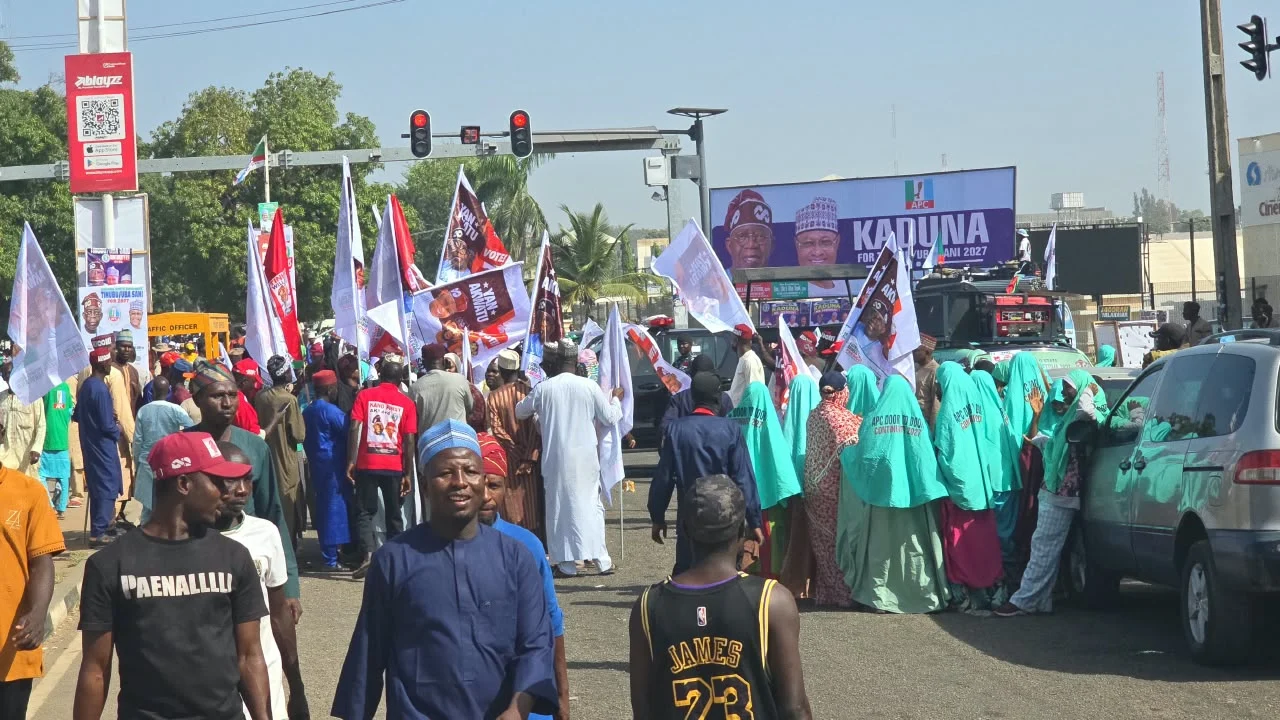
Tinubu’s 2027 Campaign Kicks Off as APC Supporters Flood Kaduna Stadium
Thousands of APC supporters gathered at Kaduna Township Stadium on Saturday as the ruling party launched its campaign for Tinubu’s 2027 re-election bid.
 Politics
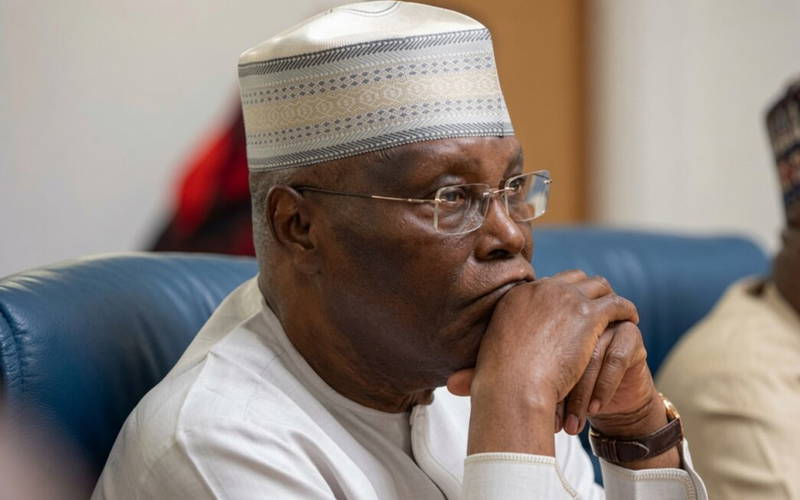
Atiku, ADC Plotting Deepfake Videos, Fake Documents Against Kaduna Rally – APC PCC
The APC Presidential Campaign Council has accused Atiku Abubakar and the ADC of planning to use deepfakes and fabricated documents to discredit its Kaduna rally.
 Politics
ADC Slams APC Over Deepfake Allegation, Demands Evidence
The African Democratic Congress has challenged the APC to provide evidence linking Atiku Abubakar and the opposition party to alleged deepfake videos and fabricated documents targeting its Kaduna campaign rally.
 Politics
2027: PDP Chieftain Urges Makinde to Showcase Achievements
A Peoples Democratic Party chieftain has urged Oyo State Governor Seyi Makinde to highlight his record in office as political activities intensify ahead of the 2027 elections.
Comments (0)
Leave a comment
All comments are moderated before publishing. Your email is never published.