
Subsidy Return Could Push Petrol to N2,000–N3,000, FG Warns
The Federal Government has warned that restoring petrol subsidy could push pump prices to between N2,000 and N3,000 per litre, arguing that such a policy would place significant pressure on public finances.
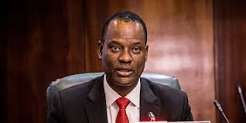
The Federal Government has warned that a return to petrol subsidy could push the price of Premium Motor Spirit (PMS) to between N2,000 and N3,000 per litre.
The warning comes amid renewed calls by some opposition politicians for the reintroduction of fuel subsidy as petrol prices continue to place pressure on households and businesses.
The government has maintained that the removal of subsidy was necessary to reduce the financial burden on the country and redirect public resources towards other areas of development.
President Bola Tinubu, in his Independence Day address, also warned against returning to subsidy, saying the country should not reverse the reforms undertaken by his administration.
The President said the government’s economic reforms had been difficult but argued that they were intended to address longstanding weaknesses in the economy and create the foundation for broader prosperity.
The Federal Government has also pointed to the fiscal savings generated since subsidy removal, while maintaining that returning to the former system would impose a substantial financial burden on the country.
The warning comes as petrol prices have risen significantly, with prices approaching N1,500 per litre in some parts of the country following increases in international crude oil prices.
Supporters of subsidy restoration, however, have argued that government intervention is necessary to cushion Nigerians from the immediate effects of high fuel and transportation costs.
The debate has intensified ahead of the 2027 general elections, with petrol pricing and the cost of living emerging as major issues in political campaigns and policy discussions.
The Federal Government has continued to favour targeted interventions rather than a return to universal petrol subsidy, while opposition figures advocating alternative approaches have argued that cheaper fuel is necessary to reduce transportation and living costs.
The government’s latest warning therefore adds to the ongoing debate over whether subsidy removal should remain a central component of Nigeria’s economic policy or whether alternative measures should be introduced to provide relief to consumers.
Sponsored

Related stories
 News
N’Assembly Lacks Power to Regulate Telecom Operators — Lawyer
Lawyer Sesan Bankole argues that regulating and sanctioning telecommunications operators falls under the Nigerian Communications Commission’s statutory mandate.
 News
Insecurity: Tinubu to Boost Air Force with Five New Helicopters
President Bola Tinubu is expected to induct five new helicopters into the Nigerian Air Force fleet to strengthen operations against terrorism, kidnapping and banditry.
 News
Ebola: WHO Says No Public Gathering Restrictions Advised for Nigeria
The World Health Organisation says it has not advised Nigeria to restrict public gatherings following an imported Ebola case, as health authorities continue monitoring 53 contacts.
 News
North-West terrorism now driven by economic interests — FG
The Federal Government says terrorism in Nigeria’s North-West is increasingly motivated by economic interests, including criminal revenue, and requires security operations alongside wider interventions.
Comments (0)
Leave a comment
All comments are moderated before publishing. Your email is never published.