
Outcry as Fake Products Flood Nigerian Markets
Nigerians are raising concerns over the growing circulation of suspected counterfeit food, drugs, cosmetics and other consumer goods, prompting renewed calls for stronger regulatory enforcement.
Nigerians have expressed growing concern over the proliferation of suspected counterfeit and substandard products in markets across the country, with regulatory agencies facing renewed scrutiny over their ability to protect consumers.
The concerns have intensified on social media, where citizens, doctors and content creators have shared videos and reports alleging the circulation of fake food, medicines, toothpaste, beverages, cosmetics and other everyday products.
One of the recent cases involved suspected fake Oral-B toothpaste, with a Nigerian doctor, Somto Okonkwo, comparing genuine and suspected counterfeit products and highlighting differences in packaging, seals, texture and taste.
Okonkwo said he visited several shops where counterfeit versions were allegedly being sold, with some sellers reportedly unaware that the products were fake.
Fake Hollandia yoghurt has also featured in online reports, including videos allegedly showing the product being packaged under unhygienic conditions.
The growing concerns have also extended to paracetamol, palm oil, beverages, bottled water, baby products, vehicle parts and other consumer goods, although some social media claims have yet to be independently verified.
The National Agency for Food and Drug Administration and Control has, however, continued to report seizures of counterfeit and unregistered products.
In February 2026, NAFDAC said it seized more than 10 million doses of fake malaria medicines at Lagos Trade Fair Market and uncovered warehouses in Apapa containing banned, fake and unregistered medicines worth more than N3 billion.
The agency had also disclosed in 2025 that about 30 per cent of medicines sold in open markets were fake or substandard.
Medical practitioners warned that counterfeit products could contain harmful substances capable of causing serious health problems, including damage to the liver, kidneys and heart.
Dr Rotimi Adesanya, Director of Medical Services at the Medical Centre of the Federal College of Education, Akoka, urged NAFDAC to intensify routine surveillance and random checks of products on shop shelves.
Former Lagos State Nigerian Medical Association Chairman, Dr Saheed Babajide, attributed the continued circulation of fake drugs to weak enforcement, warning that ineffective medicines could prolong illnesses and increase the burden on healthcare facilities.
Several analysts and lawyers called for stronger collaboration among NAFDAC, the Standards Organisation of Nigeria, the Nigeria Customs Service, the Federal Competition and Consumer Protection Commission and security agencies.
They also urged tougher prosecution of manufacturers, importers and distributors of counterfeit products, alongside increased surveillance at ports, warehouses, markets and online platforms.
NAFDAC's Head of Enforcement, Dr Martin Iluyomade, did not respond to requests for comment, while a SON source directed inquiries concerning fake medicines to NAFDAC.
Sponsored

Related stories
 News
News
Sanwo-Olu Swears In Six Permanent Secretaries, Inaugurates Two Lagos Commissions
Lagos State Governor Babajide Sanwo-Olu on Monday swore in six newly appointed permanent secretaries and inaugurated members of two state commissions, as his administration seeks to strengthen public service delivery.
 News
News
‘Tell Them No’: Obi Urges UK-Based Nigerians to Stop Sending Money Home
Peter Obi urges Nigerians in the United Kingdom to reconsider financial support for relatives at home, arguing that poor leadership drives economic hardship.
 News
News
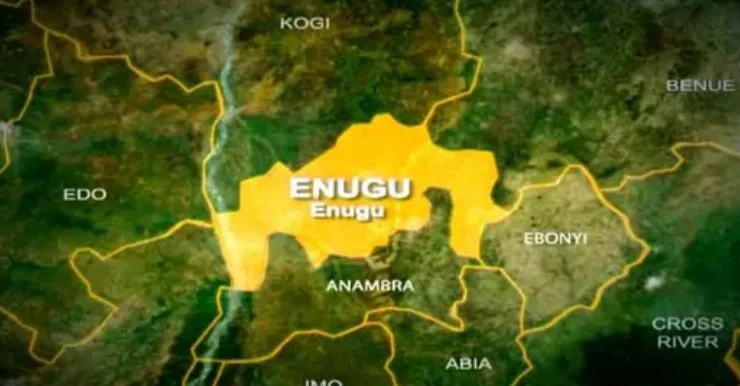
Enugu LGs Begin Payment of 25-Year Gratuity Backlog
Enugu local governments will commit 10 per cent of monthly allocations to clearing gratuity arrears owed to retired council workers since 2000.
 News
News
Economy Would’ve Collapsed Without Tinubu’s Reforms — Shettima
Vice-President Kashim Shettima says President Tinubu’s economic reforms prevented Nigeria’s economy from collapsing, despite hardship experienced by citizens.
Comments (0)
Leave a comment
All comments are moderated before publishing. Your email is never published.