
NMDPRA Proposes New Rules to Ban Fuel Price-Fixing, Artificial Scarcity
NMDPRA proposes regulations banning fuel price-fixing, supply restrictions and anti-competitive practices across Nigeria’s petroleum industry.
The Nigerian Midstream and Downstream Petroleum Regulatory Authority (NMDPRA) has unveiled draft regulations aimed at prohibiting fuel price-fixing, artificial scarcity and other anti-competitive practices in Nigeria’s petroleum sector.
The proposed Midstream and Downstream Petroleum Prevention of Anti-Competitive Practices and Behaviour Regulations, 2026 seek to prevent petroleum companies from coordinating prices, restricting product supply, sharing markets or engaging in commercial arrangements capable of distorting competition.
The proposal comes amid growing concerns over pricing practices in the downstream sector, following allegations by independent fuel marketers that some importers were selling Premium Motor Spirit (PMS) at coordinated prices above those of the Dangote Petroleum Refinery.
In a public notice issued on Thursday through its official X account, the Authority invited licensees, permit holders and other stakeholders to review the draft regulations and submit comments within 21 days, in line with Section 216(1) of the Petroleum Industry Act (PIA) 2021.
According to the notice, stakeholders can access the proposed regulations on the Authority’s website before participating in a consultation forum scheduled for September 22, 2026, at the NMDPRA headquarters in Abuja.
The draft regulations prohibit petroleum operators from entering into agreements or informal arrangements intended to prevent, restrict or distort competition within the midstream and downstream petroleum industry.
Among the prohibited practices is price-fixing, including agreements involving pump prices, ex-depot prices, margins, discounts, surcharges, freight charges and pricing formulas.
If approved, companies will no longer be allowed to coordinate retail fuel prices or other commercial elements that influence market pricing.
The regulations also prohibit market allocation arrangements, where competitors divide customers, geographical locations, product lines or supply territories instead of competing fairly.
Other banned practices include bid rigging, collusive tendering and coordinated supply restrictions aimed at creating artificial fuel shortages or manipulating prices.
The Authority further seeks to prohibit tacit collusion, where competitors exchange commercially sensitive information or indirectly signal future pricing decisions through trade associations, public statements or other communication channels.
The draft also outlaws the sharing of confidential business information such as production schedules, customer lists, marketing strategies and future pricing plans where such disclosures could reduce competition.
According to the Authority, the proposed regulations are designed to strengthen transparency, promote fair competition and ensure consumers benefit from a more efficient petroleum market.
If adopted after stakeholder consultations, the regulations will provide the NMDPRA with stronger legal powers to investigate, prevent and sanction anti-competitive conduct across Nigeria’s petroleum industry while reinforcing the competition provisions of the Petroleum Industry Act.
Sponsored
Related stories
 News
News
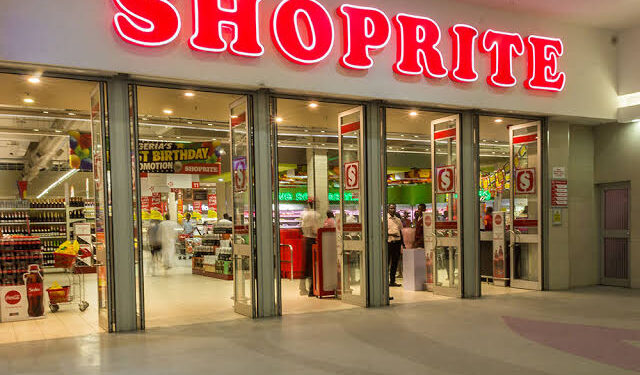
Shoprite Set To Open Neighbourhood Stores After Shutdown
Shoprite Nigeria plans to open standalone neighbourhood stores after reopening three outlets, as investors pursue a strategy to cut costs and revive operations.
 News
News
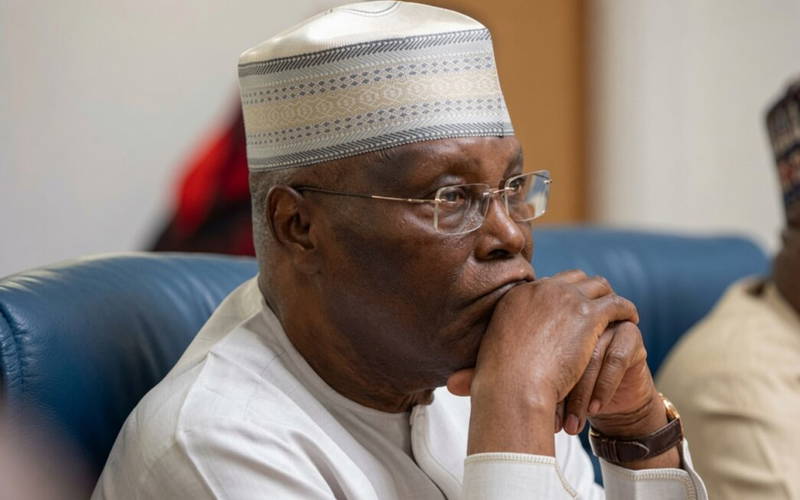
Blaming Opposition For Hunger Is ‘Delusion’ — Atiku Tells Tinubu
Atiku Abubakar has accused President Tinubu of evading responsibility for Nigeria’s economic hardship after blaming opposition politicians for hunger and poverty.
 News
News
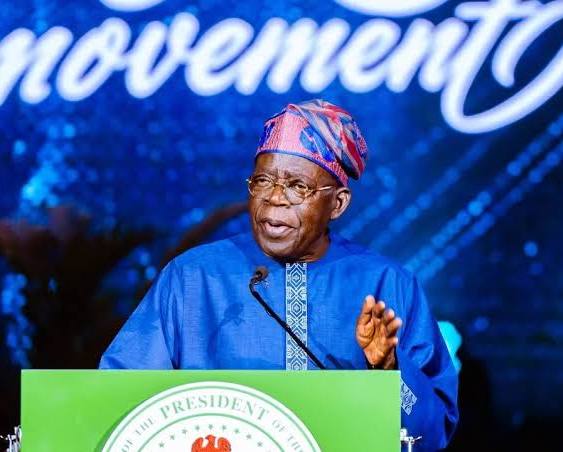
Tinubu Accuses Opposition of Creating Hunger, Poverty
President Bola Tinubu has accused opposition parties of creating the hunger and poverty they now criticise his administration over, insisting that his government is working to eradicate hardship and deliver economic prosperity.
 News
News
UNICEF, Sokoto Target One Million Children for Polio Vaccination
UNICEF and the Sokoto State Government are intensifying efforts to protect children against polio through vaccination, community mobilisation and public awareness, with emphasis on reaching every eligible child and addressing vaccine hesitancy.
Comments (0)
Leave a comment
All comments are moderated before publishing. Your email is never published.