
Nigeria Unaffected as Seven OPEC+ Producers Raise Output by 188,000 bpd
Nigeria will not be affected by OPEC+'s decision to increase oil production by 188,000 barrels per day because it is not part of the group's voluntary production cut arrangement. The country remains focused on increasing crude oil output to meet its existing OPEC quota while pursuing reforms to strengthen the petroleum sector.
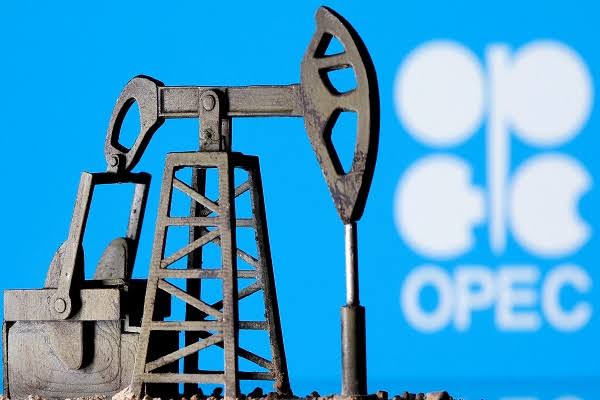
Nigeria will not be affected by the latest decision of seven OPEC+ member countries to increase crude oil production by 188,000 barrels per day (bpd) in September, as the country is not among the nations participating in the group's voluntary output adjustment programme. The increase was approved by Saudi Arabia, Russia, Iraq, the United Arab Emirates, Kuwait, Kazakhstan and Algeria as part of their gradual rollback of voluntary production cuts.
The Organisation of Petroleum Exporting Countries and its allies (OPEC+) said the production adjustment reflects improving global market conditions and steady demand for crude oil. The alliance noted that the move is part of a phased strategy agreed by participating countries to restore previously withheld supplies while maintaining market stability.
Industry analysts said Nigeria's crude oil production quota remains unchanged because the country was exempted from the voluntary cuts due to challenges affecting its production capacity. Instead, Nigeria has continued efforts to increase output through improved security around oil facilities, increased investment and the reactivation of dormant production assets.
Energy experts explained that while the additional supply could exert some pressure on international crude oil prices, the direct impact on Nigeria would be limited. They noted that the country's immediate priority remains achieving and sustaining its OPEC production quota rather than adjusting output under the voluntary arrangement.
The development comes as Nigeria continues implementing reforms aimed at boosting crude oil production and attracting fresh investment into the petroleum sector. Stakeholders expressed optimism that improved production levels, coupled with stable global demand, would enhance government revenue and support broader economic growth.
Sponsored

Related stories
 News
Shoprite Set To Open Neighbourhood Stores After Shutdown
Shoprite Nigeria plans to open standalone neighbourhood stores after reopening three outlets, as investors pursue a strategy to cut costs and revive operations.
 News
Blaming Opposition For Hunger Is ‘Delusion’ — Atiku Tells Tinubu
Atiku Abubakar has accused President Tinubu of evading responsibility for Nigeria’s economic hardship after blaming opposition politicians for hunger and poverty.
 News
Tinubu Accuses Opposition of Creating Hunger, Poverty
President Bola Tinubu has accused opposition parties of creating the hunger and poverty they now criticise his administration over, insisting that his government is working to eradicate hardship and deliver economic prosperity.
 News
UNICEF, Sokoto Target One Million Children for Polio Vaccination
UNICEF and the Sokoto State Government are intensifying efforts to protect children against polio through vaccination, community mobilisation and public awareness, with emphasis on reaching every eligible child and addressing vaccine hesitancy.
Comments (0)
Leave a comment
All comments are moderated before publishing. Your email is never published.