
Nigeria Must Export Better, Not More Under China Zero-Tariff Policy — FG
FG urges Nigeria to prioritise value-added exports as China opens zero-tariff access to goods from 53 African countries.
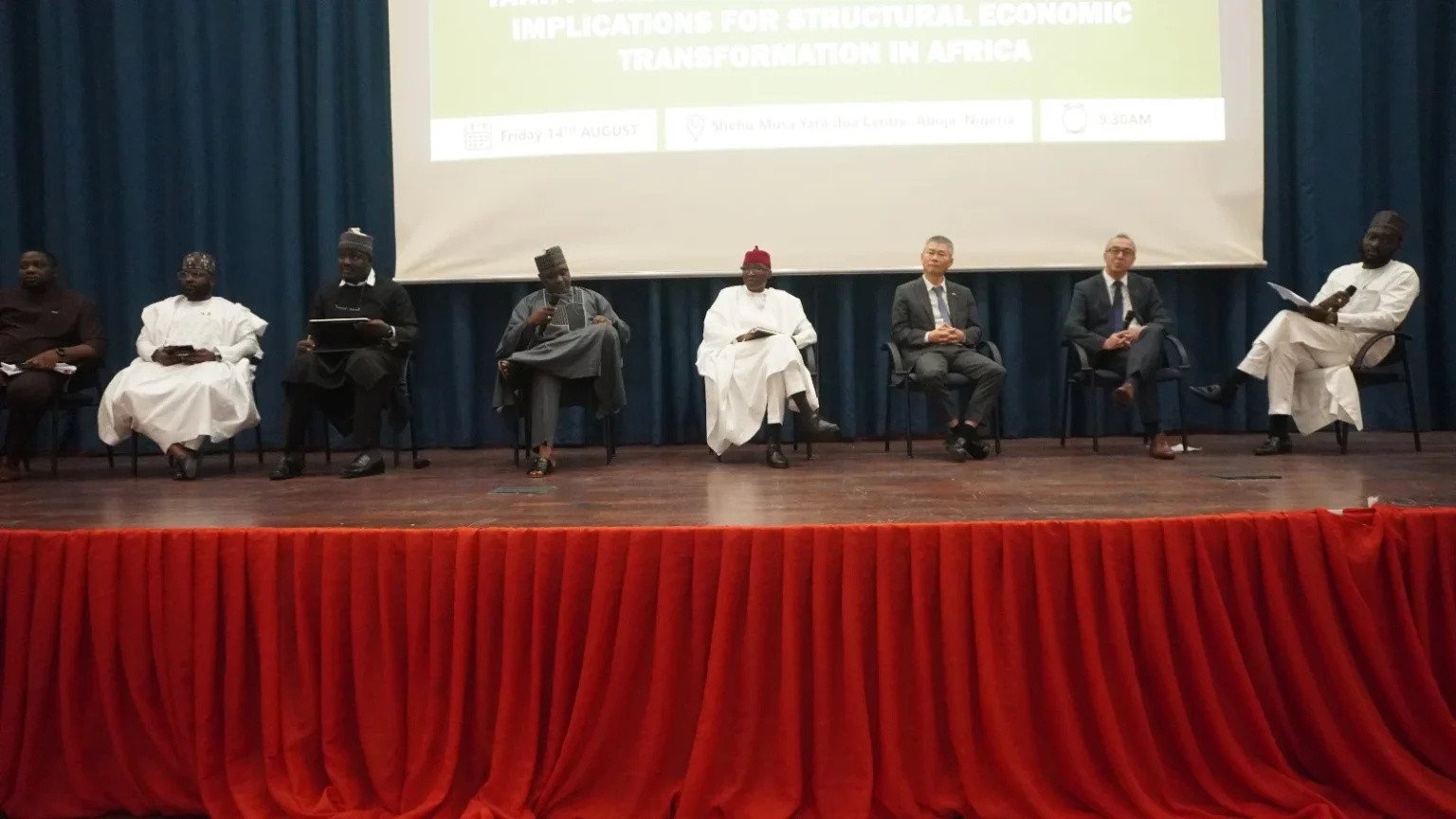
The Federal Government has urged Nigeria to focus on exporting value-added products rather than simply increasing the volume of raw commodities following China’s decision to grant zero-tariff access to goods from 53 African countries.
Minister of State for Agriculture and Food Security, Aliyu Abdullahi, made the call on Friday in Abuja at a seminar examining China’s zero-tariff policy and its implications for Africa’s economic transformation.
Abdullahi said the policy presented Nigeria with an opportunity to diversify its exports beyond crude oil while expanding agricultural processing and agro-industrial production.
He said Nigeria should use the opportunity to export processed cassava products, premium rice, spices, hibiscus, cashew blends, soybean products, fruits and vegetables that meet international standards.
“The question before us, therefore, is not, can Nigeria export more? The question should be, can Nigeria export better?” he said.
The minister, however, cautioned that tariff-free market access alone would not guarantee success, stressing the need for higher productivity, modern processing facilities, efficient logistics, quality assurance, traceability, affordable financing and adequate storage.
He also highlighted the importance of export certification and compliance with sanitary and phytosanitary requirements for Nigerian products seeking access to the Chinese market.
Abdullahi said the Federal Government was expanding agricultural processing through the Special Agro-Processing Zones Project to support investment in value-added production.
Chinese Ambassador to Nigeria, Yu Dunhai, said the zero-tariff policy had already produced significant trade benefits since its implementation on May 1, 2026.
He disclosed that China-Africa trade reached $207bn in the first half of 2026, while Chinese imports from Africa between May and June stood at $29bn.
According to Yu, bilateral trade between China and Nigeria reached $18bn in the first half of the year, representing a 35 per cent increase year-on-year, while Chinese imports from Nigeria rose by 80 per cent to $2.3bn.
He urged Nigeria to improve product quality, strengthen supply chains, expand local processing and integrate trade opportunities with long-term investment.
Permanent Secretary in the Ministry of Foreign Affairs, Dunoma Ahmed, said Nigeria must move from exporting resources to exporting value.
He said crude oil should support petrochemical and downstream industries, agricultural commodities should feed agro-processing, while solid minerals should drive mineral processing and industrial production.
The House Committee on Nigeria-China Relations also identified infrastructure, logistics, financing, technology, skills and regulatory standards as key areas requiring attention.
The stakeholders agreed that Nigeria must strengthen domestic production capacity and competitiveness to fully benefit from China’s zero-tariff opportunity.
Sponsored

Related stories
 News
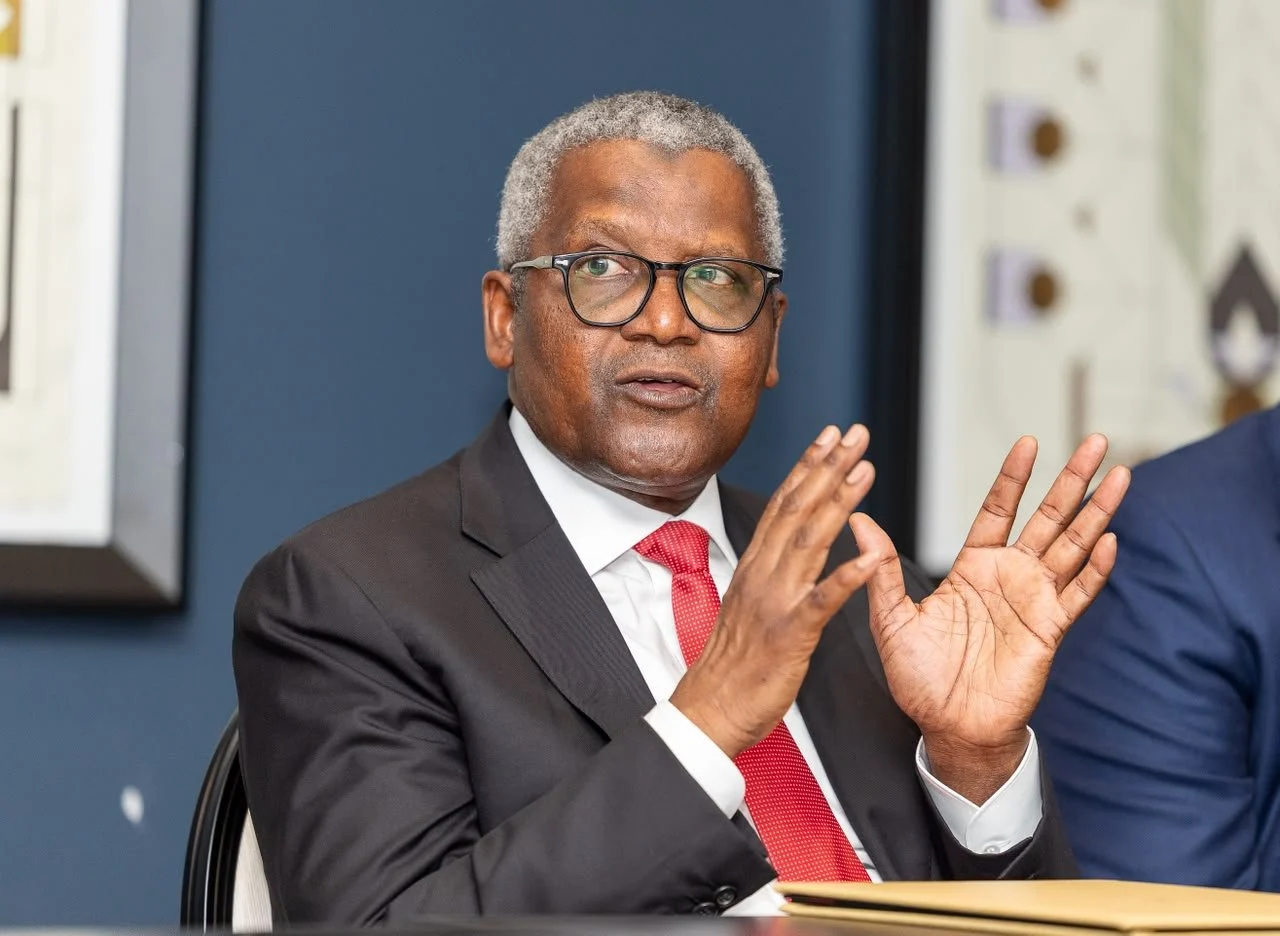
Dangote Eyes 500,000-Tonne Cocoa Deal in Ghana
Nigerian billionaire Aliko Dangote is in talks with Ghana to process 500,000 metric tonnes of cocoa locally under a proposed agreement aimed at expanding value addition.
 News
Oyo Begins Verification for Circular Road Compensation
Oyo State Government will begin verifying property owners affected by the second segment of the Ibadan Circular Road ahead of compensation payments.
 News
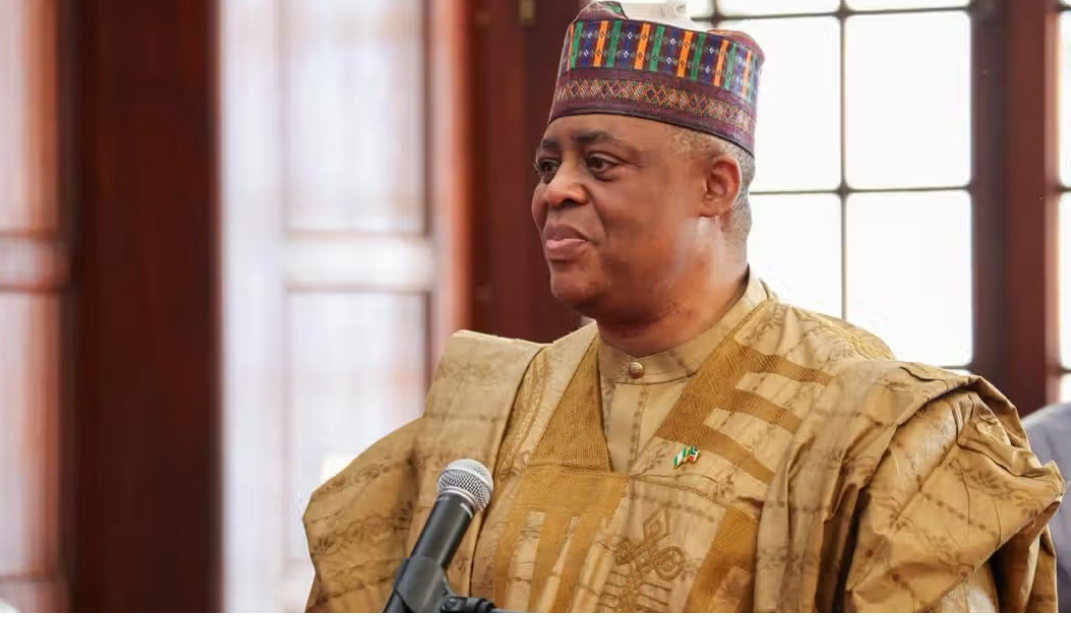
Fani-Kayode Accuses South African Presidency of Excluding His Speech from Letters of Credence Livestream
Nigeria’s High Commissioner to South Africa, Femi Fani-Kayode, has protested the omission of his speech from a presidential livestream, alleging deliberate exclusion.
 News
FCC Files Charges Against Customs CG Over Failure to Provide 2025/2026 Recruitment Information
The Federal Character Commission has filed criminal charges against Customs and its Comptroller-General over alleged breaches of recruitment monitoring and disclosure requirements.
Comments (0)
Leave a comment
All comments are moderated before publishing. Your email is never published.