
NDLEA Warns of Rising Drug Threat, Unveils New Control Plan
NDLEA Warns of Rising Drug Threat, Unveils New Control Plan
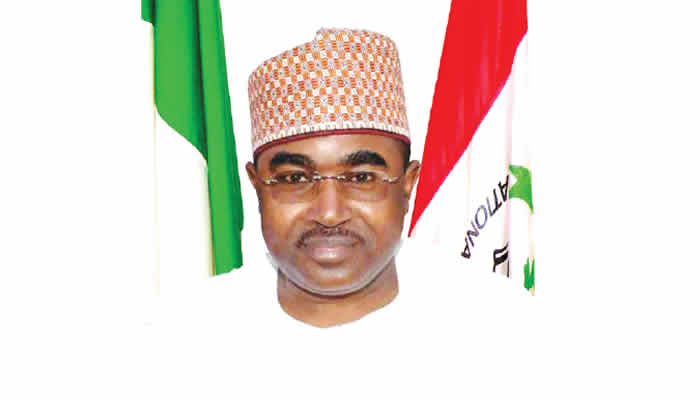
The National Drug Law Enforcement Agency (NDLEA) has raised concerns over the growing complexity of drug abuse and trafficking in Nigeria, warning that the country faces an evolving drug crisis driven by synthetic substances, prescription drug abuse, and digital trafficking networks.
Speaking on Monday at the opening of a two-day National Drug Control Master Plan (NDCMP) Consultative Forum in Abuja, NDLEA Chairman, retired Brigadier General Buba Marwa, said Nigeria must confront the “sobering reality” of a rapidly mutating drug threat despite progress recorded over the last five years.
Marwa revealed that projections by the United Nations Office on Drugs and Crime (UNODC) indicate that drug use across Africa could rise by 40 per cent by 2030. He also cited reports from the Global Initiative Against Transnational Organised Crime showing that West Africa remains a major corridor for cocaine trafficking between Latin America and Europe.
According to him, Nigeria’s drug environment is becoming more dangerous due to the rise in New Psychoactive Substances (NPS), poly-drug use, and the increasing use of encrypted digital platforms and dark-web operations by traffickers.
“As Africa’s most populous nation and largest economy, Nigeria cannot afford to be a passive observer. The risks to our youth, workforce, and national security are too high,” Marwa said.
He explained that the consultative forum was convened to finalise the Zero Draft of the National Drug Control Master Plan 2026–2030, which will serve as the country’s roadmap for combating drug abuse and trafficking over the next five years.
The new strategy, he said, introduces fresh measures focused on alternative development, sustainable livelihoods, and disrupting illicit drug networks through financial intelligence.
Marwa urged participants to develop bold and innovative solutions, stressing that the drug crisis affects homes, schools, and communities nationwide.
UNODC Country Representative, Cheikh Toure, called for stronger grassroots participation, insisting that state and local governments must take ownership of drug control efforts through improved funding, awareness campaigns, and community-based interventions.
The Minister of State for Education, Prof. Suwaiba Ahmad, also commended the NDLEA for its proactive efforts and called for stronger collaboration across sectors to tackle substance abuse and its social consequences.
Sponsored
Related stories
 News
News
FG Seeks World Bank Guarantees for Infrastructure Financing
Nigeria’s Oyedele and Cardoso seek World Bank guarantees to attract private capital for infrastructure projects.
 News
News
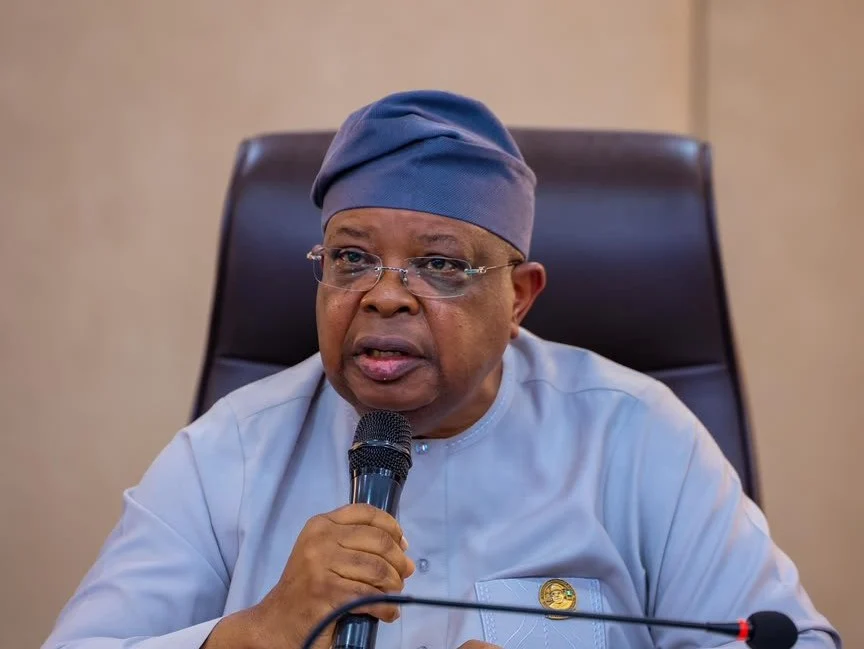
Power: FG to Clear GenCos’ Legacy Debts in 2027 — Tegbe
Power Minister Joseph Tegbe says the Federal Government aims to settle outstanding legacy debts owed to electricity generation companies by 2027.
 News
News
IPO: Dangote Petroleum Refinery Extends Offer Period by Two Weeks
Dangote Refinery extends its share offer to October 27, giving investors more time to participate in the landmark IPO.
 News
News
Houthi Official Warns of ‘Swift, Painful Response’ if US Enters Yemen War
Houthi official Mohammed Al Bukhaiti threatens US interests if Washington joins Saudi Arabia’s military campaign against the group.
Comments (0)
Leave a comment
All comments are moderated before publishing. Your email is never published.