
NCC Proposes Strict Rules to Stop Big Telcos from Frustrating MVNO Rollout
The Nigerian Communications Commission (NCC) has introduced draft regulations to prevent anti-competitive practices and delays by major telecom operators, aiming to improve MVNO access, boost competition, and lower costs.
The Nigerian Communications Commission (NCC) has introduced comprehensive draft regulations designed to prevent major Mobile Network Operators (MNOs), such as MTN, Airtel, and Globacom, from anti-competitive behavior and deliberately delaying the launch of Mobile Virtual Network Operators (MVNOs).
An MVNO is a telecom provider that does not own its own wireless network infrastructure but instead leases wholesale network capacity from an established host telco to offer mobile services to consumers.
The regulatory intervention follows growing industry concerns that licensed virtual operators are facing severe onboarding roadblocks, unfavorable wholesale pricing terms, and deliberate technical integration delays from dominant host networks protective of their market share.
Guardrails Against Integration Delays
According to the regulatory updates, a Host Network Operator "shall not engage in any act or omission" that delays, frustrates, restricts, or prevents the onboarding, integration, testing, launch, or scaling of an MVNO operating within the scope of its license.
To eliminate bureaucratic stalls, the NCC's draft framework establishes several structural mandates:
- Strict Onboarding Timelines: Imposing definitive schedules for commercial negotiations, technical API integrations, and network configuration testing to prevent host networks from dragging out the pre-launch phase indefinitely.
- Fair Access Obligations: Requiring host telcos to offer technical access and wholesale capacity under reasonable, cost-reflective commercial terms rather than predatory or inflated pricing models.
- Anti-Discrimination Measures: Prohibiting host networks from prioritizing their own retail services or giving preferential treatment to specific virtual partners over others during active network resource allocation.
Maximizing the Value of Virtual Networks
The move to enforce compliance is seen as critical to unlocking the commercial value of Nigeria's multi-tiered MVNO licensing structure, which spans from simple virtual brand operators to full core facilities providers. By breaking down deployment barriers, the regulatory body aims to deepen competitive choice, drive down data and voice costs for consumers, and allow niche providers to deliver customized connectivity solutions to underserved local communities.
Sponsored

Related stories
 Tech & Education
AI Era: Experts Warn Nigerian Graduates Face Skills Gap
Education experts have warned that Nigerian universities risk producing graduates who are ill-prepared for an AI-driven global job market unless curricula are urgently overhauled. At the StudyIn Global Study Conference 2026 in Lagos, stakeholders called for proactive curriculum reform, ethical AI adoption, and a shift from producing AI users to nurturing AI innovators who can solve real-world problems.
 Tech & Education
YABATECH, Threatremeter Launch Filmmaking Centre
Yaba College of Technology has signed a partnership with Threatremeter Nigeria Limited to establish a Centre for Filmmaking and Production, offering certified training in acting, directing and film production for students and the public.
 Tech & Education
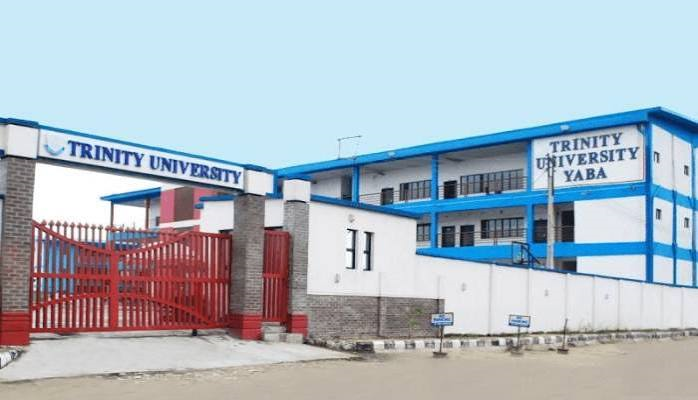
Trinity University Yaba Graduates 323, 79 First Class
Trinity University, Yaba, will confer degrees on 323 graduands at its fifth convocation on October 16, with 79 earning First Class honours and two finishing with a perfect 5.00 CGPA.
 Tech & Education
UK Visa Crackdown Hits Nigerian Students
Nigerian students are being forced to abandon their dreams of studying in the United Kingdom after universities began withdrawing admission offers en masse to avoid breaching a strict new 5 per cent visa refusal threshold. With study visa withdrawals among Nigerian applicants skyrocketing from 4.5 per cent to 22.7 per cent in the first half of 2026, thousands of prospective students now face an uncertain future—and some may be forced to leave the UK altogether.
Comments (0)
Leave a comment
All comments are moderated before publishing. Your email is never published.