
Mystery Money Floods US Midterm Election Campaigns
More than $1 billion in political spending linked to undisclosed donors is shaping the final stretch of America’s 2026 midterm election campaigns.
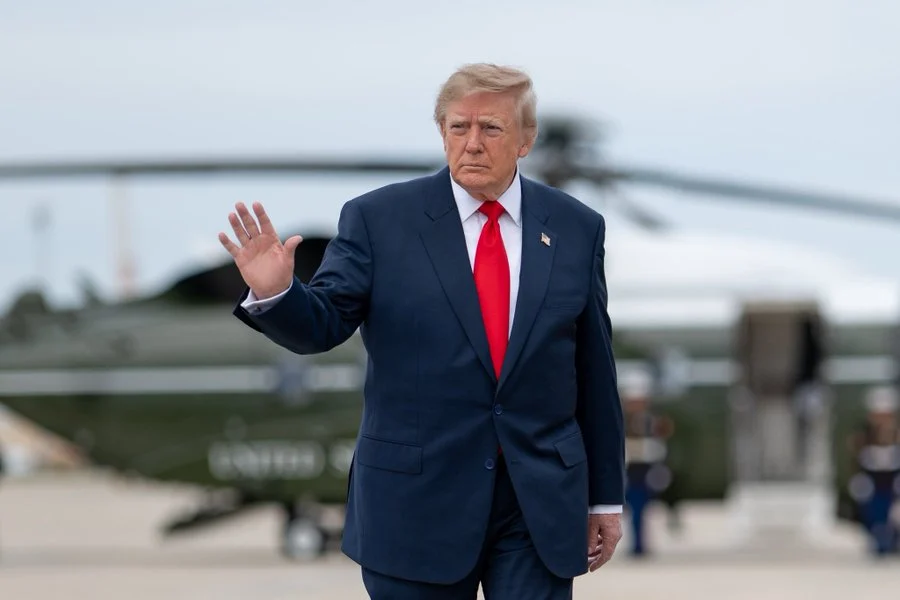
More than $1 billion in political spending associated with undisclosed donors has flowed into the United States’ 2026 midterm election campaigns, raising fresh concerns about transparency and the influence of wealthy interests on democratic processes.
An analysis of federal campaign finance data by Agence France-Presse found that five major outside political groups had spent more than $1 billion during the election cycle as of October 25. The groups, operating as super political action committees, accounted for nearly one-third of non-party spending.
Three of the five groups were aligned with Republicans, and approximately two-thirds of the money spent by the groups was directed towards benefiting the Republican Party, also known as the Grand Old Party.
Billionaire Elon Musk emerged as a major financial force, contributing nearly $450 million to Republican-aligned political groups, including the Senate Leadership Fund.
Democratic candidates, however, maintained an advantage in direct fundraising in several competitive Senate and House contests. The figures suggest that the two parties are drawing on different funding strengths, with Democratic candidates attracting substantial direct contributions while outside groups channel large sums into independent campaign activities.
The spending surge has intensified in the final days before voting. Across the country, super PACs have directed substantial resources towards Senate races, frequently using advertisements that attack opposing candidates.
The Texas Senate contest has attracted particularly heavy spending. Democratic candidate James Talarico has faced more than $200 million in opposition spending from outside groups, while Ohio’s Senate race involving Democrat Sherrod Brown has drawn nearly $170 million in spending against him.
The growing influence of these organisations is rooted partly in legal changes following the 2010 US Supreme Court decision in Citizens United v. Federal Election Commission. The ruling protected independent political spending by corporations and unions, while subsequent court decisions helped establish the framework for super PACs to raise unlimited contributions for independent expenditures.
Although super PACs must disclose certain financial information, they can receive money from nonprofit organisations that are not required to reveal all their donors. This arrangement allows substantial political funding to enter campaigns without voters necessarily knowing its original source.
Campaign finance researchers warn that the practice makes it harder for voters to identify the interests behind political advertisements and assess potential relationships between donors and elected officials.
However, heavy spending does not guarantee electoral victory. Researchers note that candidates still depend on public support, grassroots mobilisation and their ability to persuade voters.
With Election Day approaching on November 3, the scale of outside spending has renewed debate over campaign finance transparency, political accountability and the role of wealthy donors in American democracy.
Sponsored

Related stories
 News
Ogun Man Jailed For Counterfeiting Coleman Cables
An Ogun State court has sentenced Samson Okonkwo to imprisonment without an option of fine for selling counterfeit Coleman electrical cables.
 News
Beyond Spouting Statistics, Peter Obi Has Nothing To Offer — Shettima
Vice-President Kashim Shettima has criticised Peter Obi’s economic proposals while defending the Tinubu administration’s decision to remove petrol subsidy.
 News
Microsoft Offers Voluntary Exit Packages To 60,000 Staff
Microsoft has introduced voluntary exit packages for about 60,000 employees across four countries as it adjusts its workforce amid heavy investment in artificial intelligence.
 News
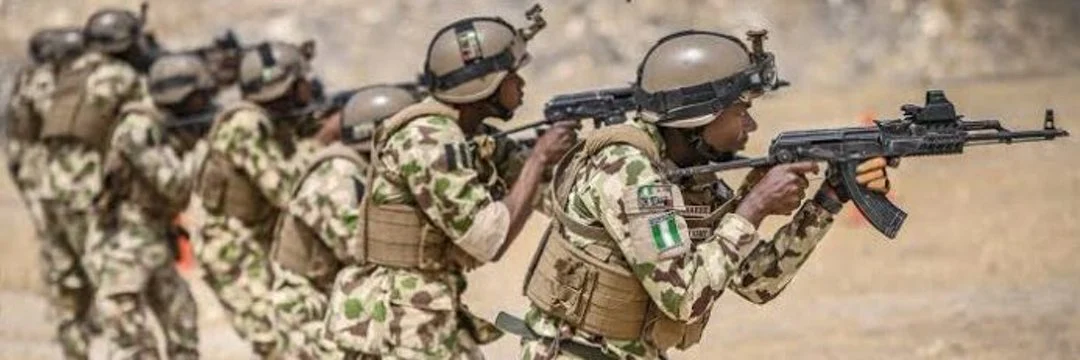
Military Strikes ISWAP Enclaves In Lake Chad, Kills 16 Terrorists
Nigerian military airstrikes targeting insurgent positions around Lake Chad reportedly killed 16 fighters as Operation Hadin Kai intensified counterterrorism operations.
Comments (0)
Leave a comment
All comments are moderated before publishing. Your email is never published.