
Iran Bans Online Debate Show Over ‘False Information’
Iran’s judiciary has banned the YouTube debate programme Azad from broadcasting after accusing it of spreading false information and operating without an official media licence. The show’s founder, Mehdi Ahmadi, was charged and released on bail, while authorities ordered him to stop media activities until the channel obtains a licence.
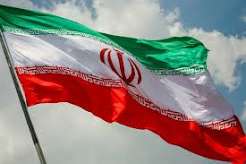
Iran’s judiciary has banned a YouTube debate programme, Azad, from broadcasting after accusing the channel of spreading false information and violating the country’s media regulations.
Iran’s judiciary said it had opened an investigation into the channel following the broadcast of an episode containing what authorities described as “false information”.
According to Mizan Online, the judiciary’s news outlet, Azad was considered an unauthorised media organisation because it did not have an official licence from the Ministry of Culture, which oversees media activities in the country.
The judiciary subsequently issued an order prohibiting the channel’s director from carrying out media activities until a licence is obtained.
It also accused the channel of committing several violations during its operations.
The programme’s founder and presenter, Mehdi Ahmadi, said he was questioned on Sunday and Monday and charged with disseminating false information.
He said he had been released on bail but that the Azad channel had been prohibited from broadcasting interviews until further notice.
The YouTube channel, which has nearly 160,000 subscribers, regularly features debates on issues including the Iran-US conflict, sexual violence, the economy, philosophy and other social matters.
Its guests have included figures from different parts of Iran’s political spectrum, including opposition figures living abroad who have openly criticised the Islamic Republic’s policies.
The development comes amid tighter restrictions on media coverage in Iran following the US-Israeli attacks of February 28, which triggered the ongoing Middle East conflict.
Iran has long maintained strict controls over media activities, with journalists required to obtain official authorisation and licences to operate.
YouTube and several other social media platforms have also been blocked in the country for years, forcing many users to rely on virtual private networks to access them.
Sponsored

Related stories
 News
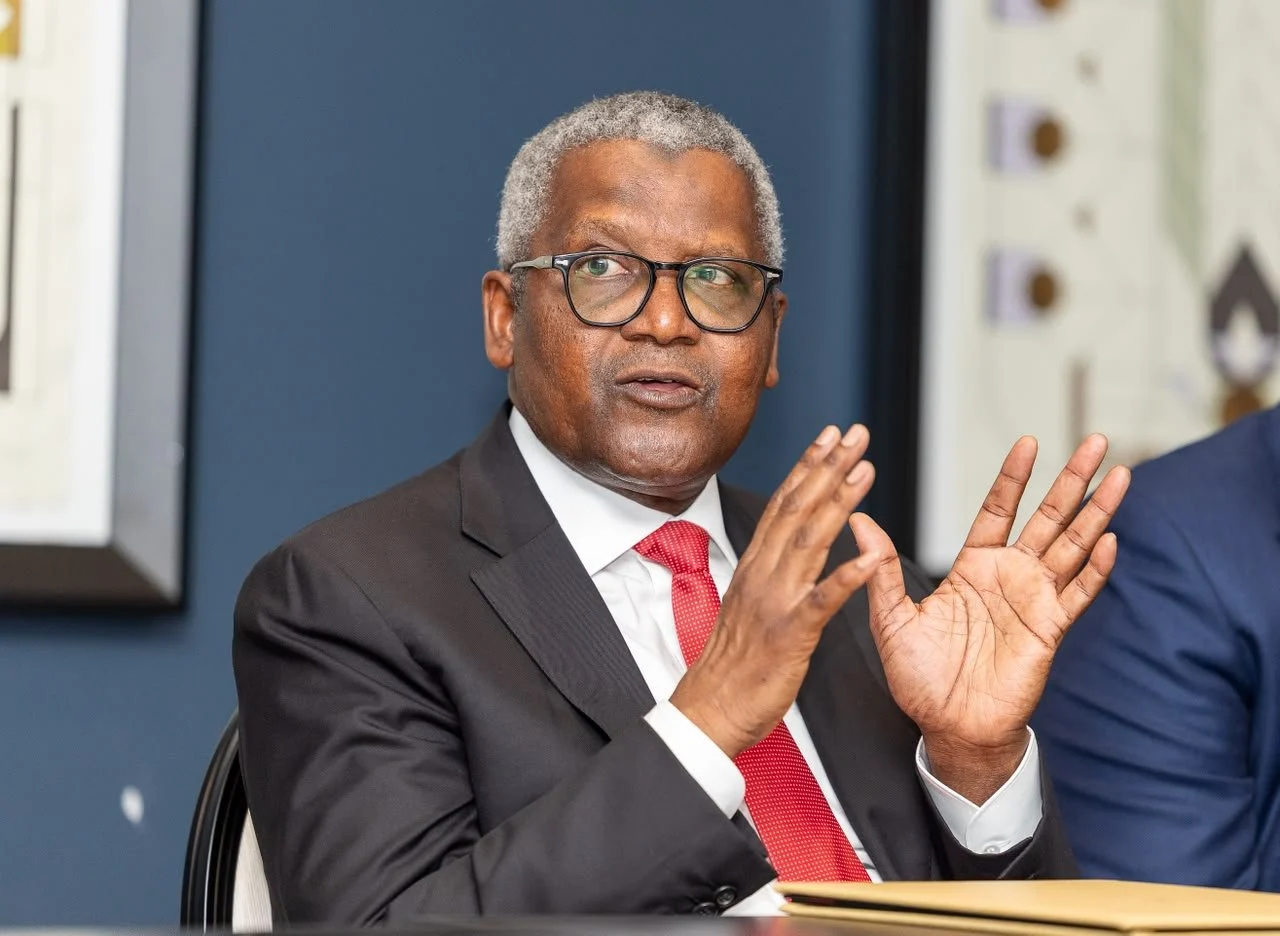
Dangote Eyes 500,000-Tonne Cocoa Deal in Ghana
Nigerian billionaire Aliko Dangote is in talks with Ghana to process 500,000 metric tonnes of cocoa locally under a proposed agreement aimed at expanding value addition.
 News
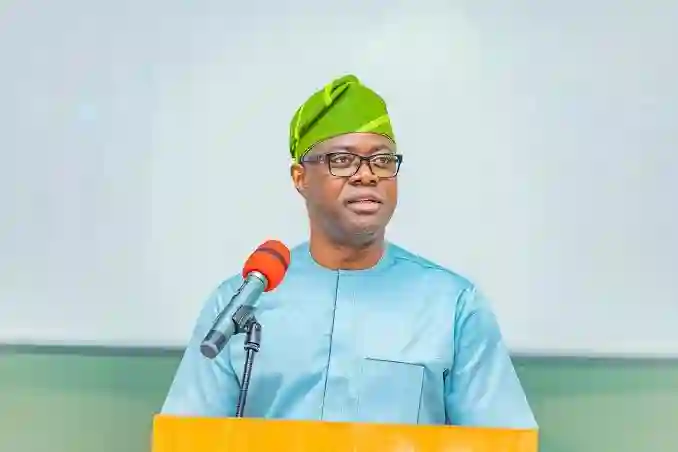
Oyo Begins Verification for Circular Road Compensation
Oyo State Government will begin verifying property owners affected by the second segment of the Ibadan Circular Road ahead of compensation payments.
 News
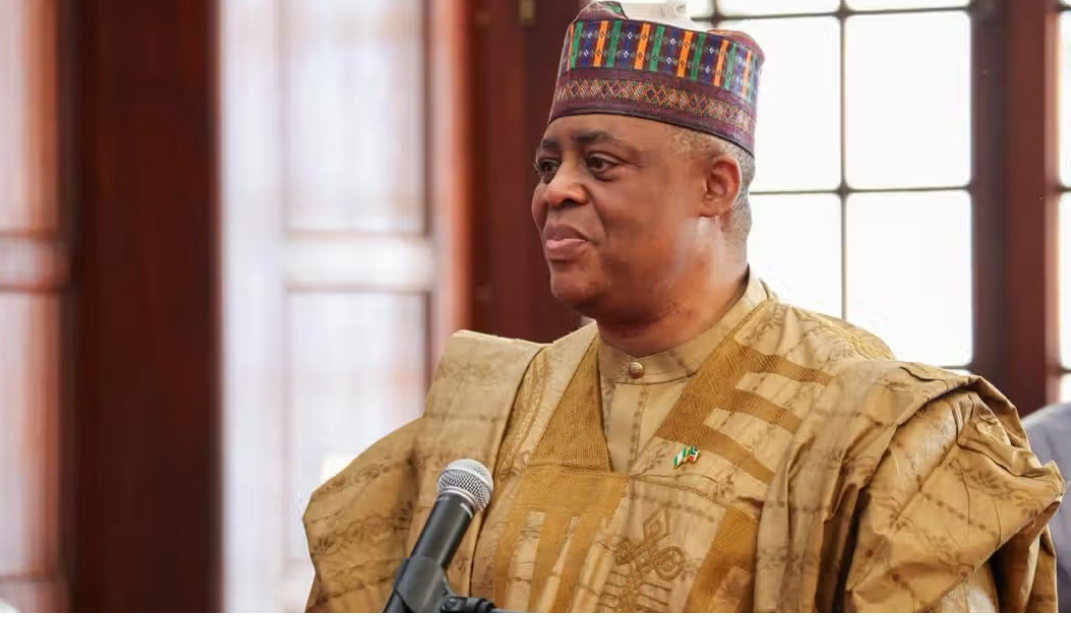
Fani-Kayode Accuses South African Presidency of Excluding His Speech from Letters of Credence Livestream
Nigeria’s High Commissioner to South Africa, Femi Fani-Kayode, has protested the omission of his speech from a presidential livestream, alleging deliberate exclusion.
 News
FCC Files Charges Against Customs CG Over Failure to Provide 2025/2026 Recruitment Information
The Federal Character Commission has filed criminal charges against Customs and its Comptroller-General over alleged breaches of recruitment monitoring and disclosure requirements.
Comments (0)
Leave a comment
All comments are moderated before publishing. Your email is never published.