
How Subsidy Removal Funded $500m Lagos Airport Rebuild — Keyamo
Keyamo says subsidy removal increased government liquidity, enabling $500m investment in Lagos airport without borrowing.
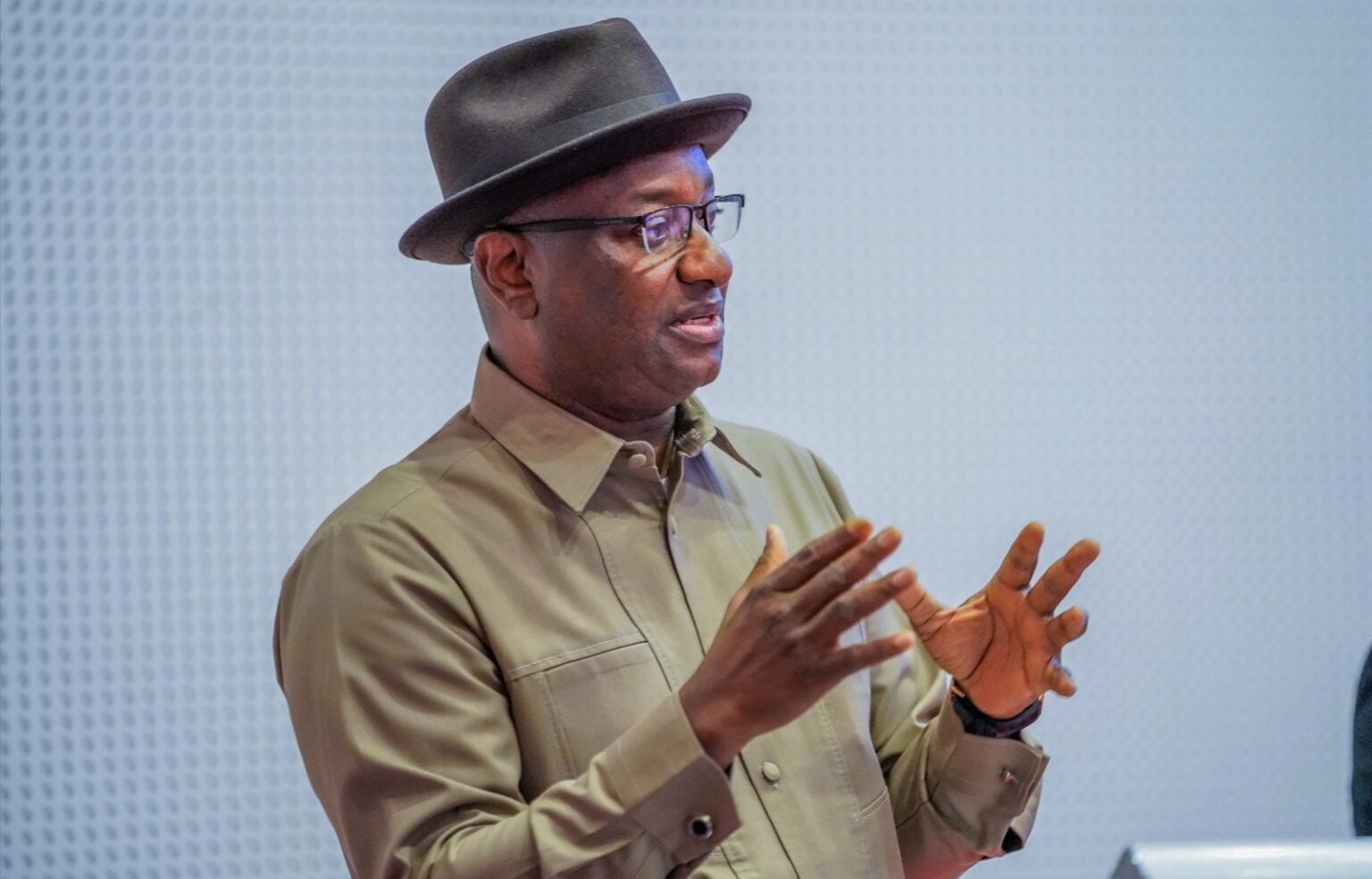
The Minister of Aviation and Aerospace Development, Festus Keyamo, says the removal of fuel and foreign exchange subsidies helped the Federal Government raise about $500 million to rebuild the Murtala Muhammed International Airport in Lagos.
Keyamo made the disclosure on Monday at the 67th anniversary of Aero Contractors, while highlighting the impact of the Bola Tinubu administration’s economic reforms on the aviation sector.
According to the minister, the funds for the Lagos airport project were not obtained through borrowing. He said improved government liquidity and increased foreign reserves created greater capacity to finance critical infrastructure.
Keyamo said Nigeria’s foreign reserves had risen from about $3 billion to $56 billion, arguing that the improvement had also helped attract investors into the country.
He linked the previous lack of major aviation infrastructure investment to the large amount of government revenue that had been committed to petrol and foreign exchange subsidies.
The minister said several major airport terminals, including those in Lagos, Abuja, Kano and Port Harcourt, had previously been developed with Chinese loans because the government lacked sufficient funds to finance such projects directly.
Keyamo said the Lagos airport reconstruction was part of a wider plan to modernise Nigeria’s aviation infrastructure and position the country as a stronger regional aviation hub.
The Lagos project is expected to transform the ageing international airport into a modern facility, with the government targeting completion within 22 months. More than 2,000 Nigerians are reportedly working daily on the project, according to the minister.
Keyamo also disclosed that President Tinubu had approved the return of China Civil Engineering Construction Corporation to the Abuja airport project for the construction of a second runway.
He recalled that the Abuja runway project, initially estimated at about N45 billion, had been delayed for years partly because of concerns over its cost. He said the project could now cost close to N500 billion, illustrating the consequences of delaying major infrastructure projects.
The minister maintained that government infrastructure investment and private-sector participation were essential to creating sustainable employment.
He said the administration would continue implementing policies aimed at attracting investment, improving aviation infrastructure and strengthening the capacity of Nigerian airlines.
Sponsored

Related stories
 News
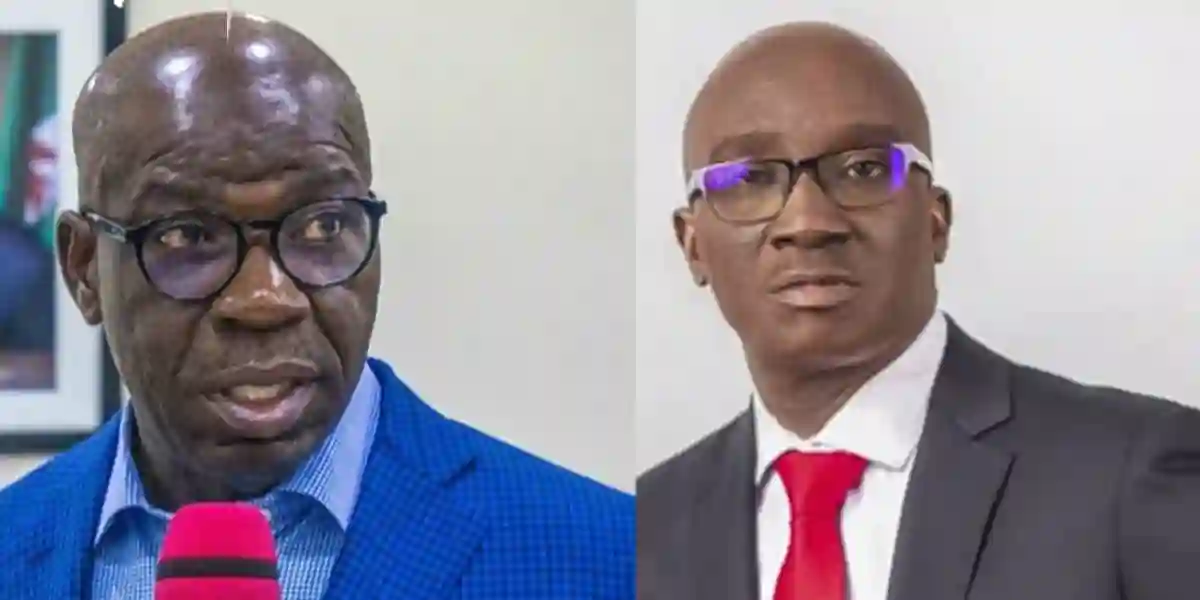
N8bn Allegation: Okpebholo, Obaseki Trade Accusations Over Edo Funds
Governor Monday Okpebholo alleges ₦8 billion was withdrawn before his inauguration, while former governor Godwin Obaseki denies diverting state funds.
 News
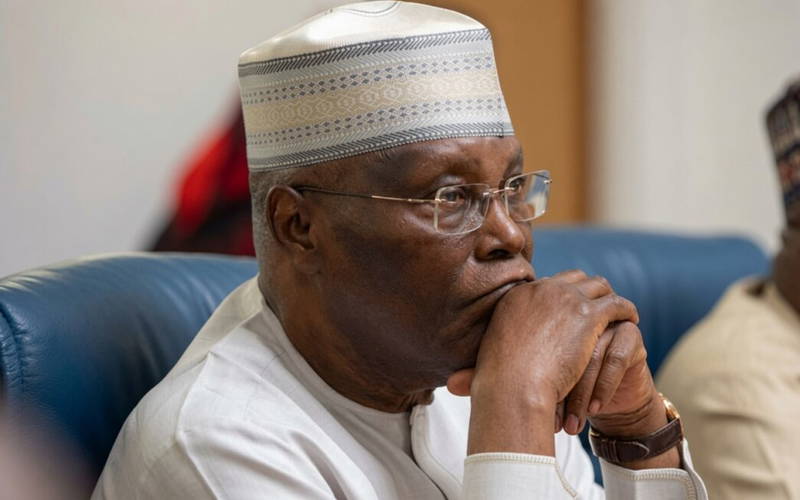
2027: Atiku Pledges to Revive Kolmani Oil Project If Elected President
Atiku Abubakar promises to resume petroleum exploration at the Kolmani oil field and restore fuel and electricity subsidies if elected president in 2027.
 News
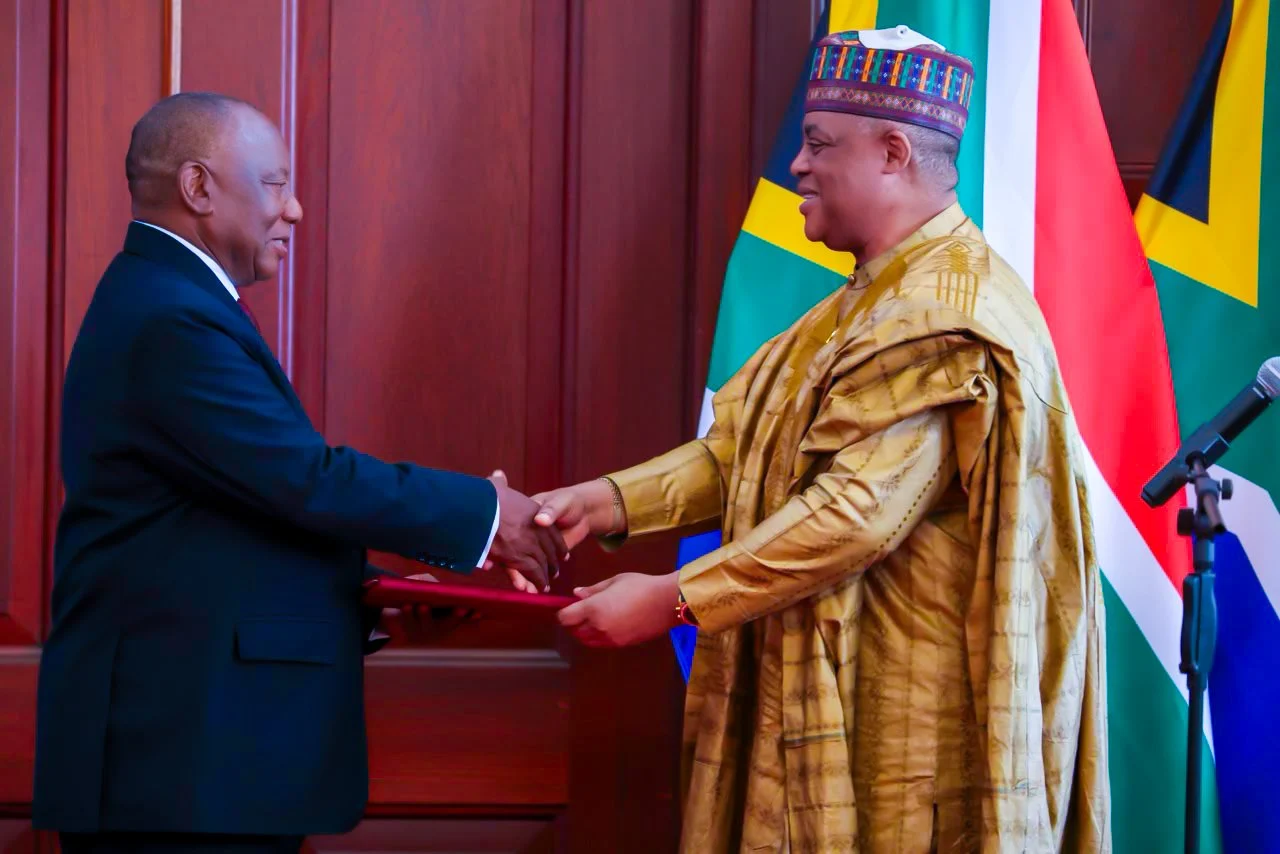
Fani-Kayode Declines SABC Interview After Livestream Controversy
Nigeria’s High Commissioner to South Africa, Femi Fani-Kayode, has declined an SABC interview following a dispute over his omitted diplomatic speech.
 News
Adeleke Demotes Two Osun Traditional Rulers Over Political Differences
Osun Government has downgraded two traditional rulers, while one affected monarch alleges their association with APC members influenced the decision.
Comments (0)
Leave a comment
All comments are moderated before publishing. Your email is never published.