
How Military Rescued Abducted Victims Without Killing Terrorists — Defence Minister
Musa explains how troops rescue abducted victims by isolating terrorists and cutting off their essential supplies.
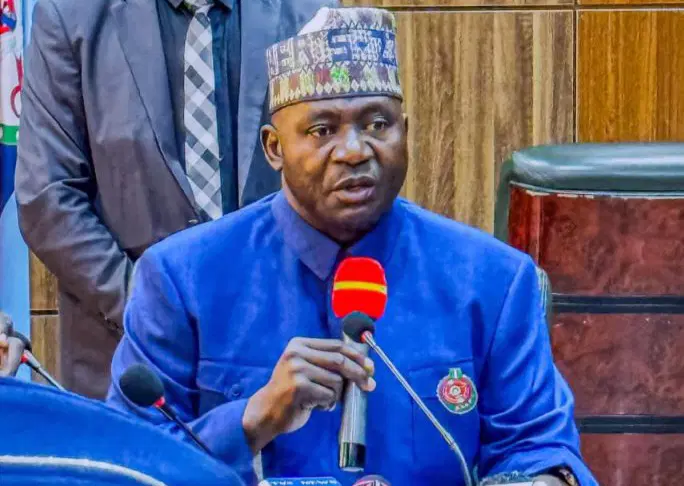
The Minister of Defence, General Christopher Musa (retd.), has explained how Nigerian security forces have rescued abducted victims without killing or arresting the terrorists responsible for their captivity.
Musa said the strategy involves intelligence gathering, identifying the location of terrorists, blocking their escape routes and cutting off access to essential supplies such as food, water and fuel.
The minister explained that terrorists often abandon their captives and flee when they realise that security forces have surrounded their positions or are closing in on them.
He said the approach allows troops to rescue victims while avoiding unnecessary confrontation that could endanger the lives of hostages.
Musa explained that terrorists themselves are usually unwilling to die, despite carrying weapons and engaging in criminal activities.
He said the appearance or deployment of surveillance assets, including drones, can cause terrorists to scatter, creating an opportunity for troops to recover hostages without a direct firefight.
According to him, once security forces identify the location of a terrorist group, they work to prevent supplies from reaching the criminals.
He warned that individuals who provide terrorists with food, water, fuel and other necessities help sustain their operations and make it possible for them to continue holding victims and carrying out attacks.
The minister said cutting off these supplies weakens terrorist groups and limits their ability to remain in their hideouts.
Musa also discussed ransom payments, saying money paid to kidnappers can provide security agencies with opportunities to trace criminal networks and follow the movement of funds.
He said financial intelligence could help authorities identify the channels through which money linked to kidnapping and terrorism is transferred.
The minister further appealed to state governors to reconsider the distribution of motorcycles as palliatives, warning that some of the motorcycles could eventually find their way into the hands of terrorists.
He said motorcycles give criminals greater mobility, allowing them to move quickly through difficult terrain and escape security forces.
Musa advised that where motorcycles must be distributed, authorities should consider smaller-capacity models that would be less useful to criminal groups.
The defence minister said the government would continue strengthening intelligence-led military operations while working with other security agencies to protect citizens and dismantle terrorist networks.
He maintained that combining intelligence, surveillance, strategic manoeuvres and supply disruption could help security forces rescue hostages while reducing the risk of casualties.
Sponsored

Related stories
 News
News
Obi Denies Asking Nigerians Abroad to Abandon Families, Defends Diaspora Remarks
Nigeria Democratic Congress presidential candidate Peter Obi has denied asking Nigerians living abroad to stop supporting their families at home, saying his remarks were misrepresented by political opponents. He said his message focused on building an economy where Nigerians could meet their basic needs without depending on relatives overseas.
 News
News
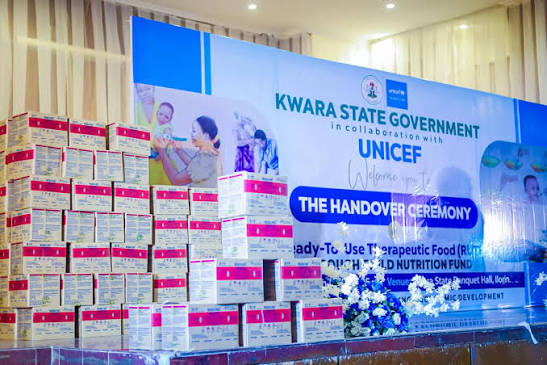
UNICEF Donates 11,580 Cartons of Therapeutic Food to Gombe to Fight Malnutrition
The United Nations Children’s Fund has donated 11,580 cartons of Ready-to-Use Therapeutic Food to the Gombe State Government to support the treatment of children with severe acute malnutrition. The donation follows the state’s provision of ₦500 million in counterpart funding for nutrition interventions in 2025, matched by an equal contribution through the Child Nutrition Fund.
 News
News
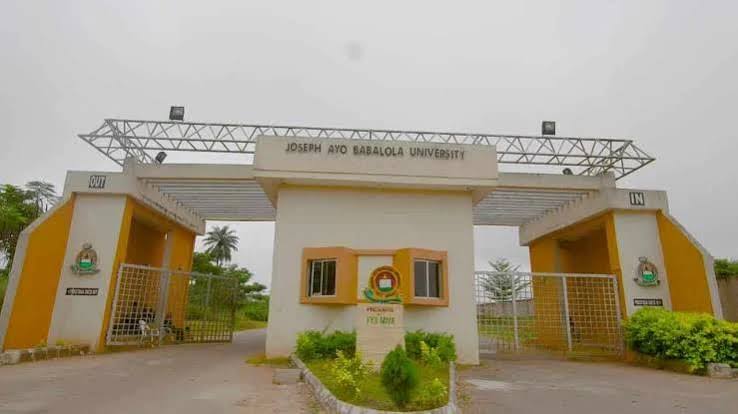
83 Bag First-Class Honours as JABU Prepares to Graduate 1,043 Students
Joseph Ayo Babalola University, Osun State, is set to graduate 1,043 students at its 17th convocation ceremony, with 83 earning First-Class Honours. The ceremony will also mark the institution’s 20th anniversary, with 146 postgraduate students, including 22 doctoral graduates, among the graduands.
 News
News
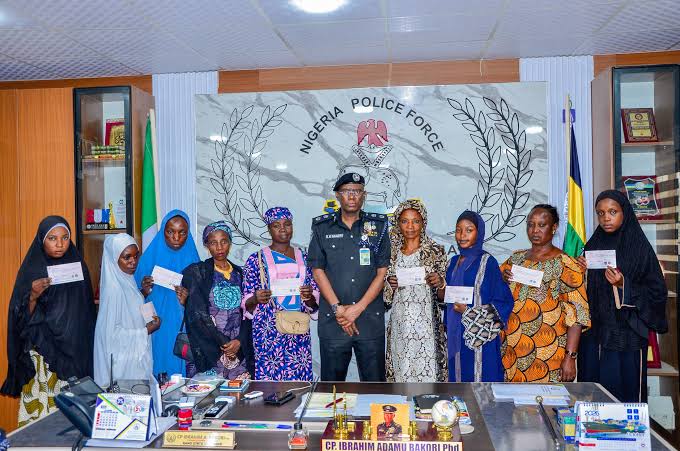
Kano Police Pay ₦7.57m Insurance Benefits to Families of 17 Fallen Officers
The Kano State Police Command has disbursed ₦7.57 million in Group Life Assurance benefits to the families and next of kin of 17 officers who died in the line of duty. The commissioner of police said the payment reflected the force’s commitment to supporting the dependants of deceased personnel.
Comments (0)
Leave a comment
All comments are moderated before publishing. Your email is never published.