
Fresh Petrol Price Hike Looms As Depot Rates Hit N1,290
Petrol depot prices surge across Nigeria, raising fears of another pump-price increase as international crude prices climb sharply.
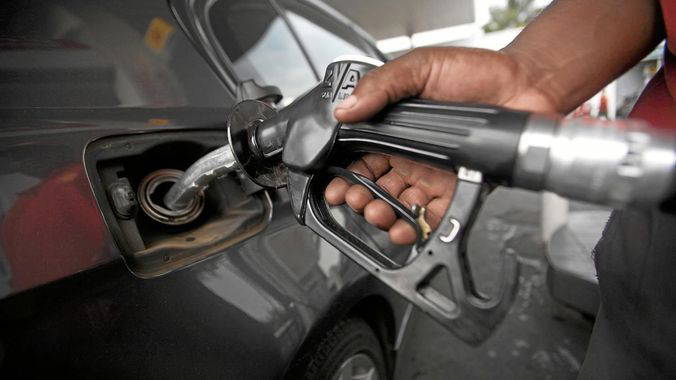
A fresh increase in petrol prices may be imminent as depot prices across major petroleum hubs have climbed to as high as N1,290 per litre.
The latest development is putting additional pressure on the downstream petroleum market and could force marketers to review pump prices if the higher depot rates persist.
Depot prices increased significantly across Lagos, Calabar, Port Harcourt and Warri, with some locations recording increases of more than N80 per litre.
In Calabar, petrol prices reached N1,290 per litre at some depots, rising from about N1,203. Another depot increased its price to N1,290, while another moved to N1,285.
In Lagos, the Dangote Refinery increased its petrol price from N1,200 to N1,266 per litre. Other major depots also adjusted their prices upward, with some reaching N1,268 per litre.
Independent depot operators similarly raised their prices, with some moving to between N1,278 and N1,285 per litre.
The latest increases are coming amid a sharp rise in international crude oil prices linked to renewed tensions in the Middle East.
Brent crude futures climbed to about $90.49 per barrel on Tuesday after recording a significant increase following renewed military exchanges between the United States and Iran.
Higher international crude prices could increase the replacement cost of imported petroleum products and influence pricing decisions by domestic refiners and petroleum marketers.
Industry operators are also facing rising logistics and distribution costs, which could further increase the pressure on retail petrol prices.
The potential increase comes shortly after petrol prices had already risen in several parts of the country.
In some areas, filling stations supplied directly by major refiners were selling petrol at about N1,310 per litre, while some other outlets were charging between N1,350 and N1,400.
Another round of increases could further raise transportation costs and increase operating expenses for businesses that depend heavily on petrol and diesel for electricity generation.
Consumers are also likely to face additional pressure as higher fuel prices could translate into increased fares and higher costs for the transportation of food and other essential goods.
The development could further complicate efforts to stabilise petrol prices following several adjustments in recent months.
Market operators are expected to closely monitor international crude prices, depot rates and supply conditions before determining whether the latest increase will be reflected at filling stations.
If the upward trend continues, motorists and businesses may soon have to prepare for another round of petrol price increases across different parts of Nigeria.
Sponsored

Related stories
 News
News
Africa CDC Seeks Urgent Global Support After Nigeria Confirms First Ebola Case
Africa CDC calls for coordinated global support as Nigeria confirms its first Ebola case, prompting contact tracing, isolation and heightened regional surveillance.
 News
News
Tinubu Pays Tribute To Fasoranti, Calls Him One Of Awolowo’s Last Great Titans
President Bola Tinubu pays tribute to late Afenifere leader Reuben Fasoranti, recognising his legacy of public service, democratic activism and political influence.
 News
News
BREAKING: Ebola Confirmed In Abuja As FG Begins Tracking 44 Contacts
Nigeria confirms an Ebola case in Abuja as health authorities trace 44 contacts, isolate the patient and intensify efforts to prevent further transmission.
 News
News
BREAKING: Afenifere Leader Reuben Fasoranti Dies At 100
Afenifere leader Reuben Fasoranti has died at 100, prompting tributes from Ondo State Governor Lucky Aiyedatiwa.
Comments (0)
Leave a comment
All comments are moderated before publishing. Your email is never published.